

Can nylon washers be painted? This is a question that often arises among our customers, and as a leading nylon washer supplier, we're here to provide a comprehensive answer.
Understanding Nylon Washers
Nylon washers are widely used in various industries due to their excellent properties. They offer high chemical resistance, low friction, and good electrical insulation. Nylon is a synthetic polymer that comes in different grades, each with its own set of characteristics. For example, some nylon grades are more flexible, while others are more rigid and heat - resistant.
Our company specializes in providing a wide range of nylon washers suitable for different applications. Whether it's for automotive, electrical, or industrial machinery, we have the right product to meet your needs. You can explore our Nylon And Plastic Machinery Parts For Industry to see the variety of nylon parts we offer.
The Feasibility of Painting Nylon Washers
The answer to whether nylon washers can be painted is yes, but it's not as straightforward as painting other materials like metal or wood. Nylon has a smooth, non - porous surface, which makes it difficult for paint to adhere properly. Additionally, nylon is a thermoplastic, meaning it can deform under heat. Some paints require heat curing, which could potentially damage the nylon washer.
However, with the right preparation and choice of paint, it is possible to achieve a good paint finish on nylon washers.
Surface Preparation
Before painting, proper surface preparation is crucial. The first step is to clean the nylon washers thoroughly. Any dirt, grease, or oil on the surface can prevent the paint from adhering. You can use a mild detergent and water to clean the washers, followed by rinsing and drying them completely.
After cleaning, it's advisable to lightly sand the surface of the nylon washers. Sanding creates a rough surface, which provides more surface area for the paint to grip. Use a fine - grit sandpaper, around 220 - 320 grit, to avoid scratching the nylon too deeply.
Choosing the Right Paint
Not all paints are suitable for nylon. You need to select a paint that is specifically formulated for plastics. These paints usually contain additives that help them bond to the smooth surface of nylon. Acrylic - based paints are a popular choice for painting nylon. They are available in a wide range of colors and offer good durability.
Another option is epoxy paints. Epoxy paints provide a very hard and durable finish. However, they can be more difficult to apply and require proper mixing and curing conditions.
Painting Process
Once the surface is prepared and the paint is selected, you can start the painting process. It's best to apply the paint in thin, even coats. This helps to prevent drips and ensures better adhesion. You can use a paintbrush or a spray gun for application. If using a spray gun, make sure to follow the manufacturer's instructions regarding the distance from the surface and the spray pattern.
Allow each coat to dry completely before applying the next one. The drying time can vary depending on the type of paint and the environmental conditions. Generally, it's recommended to wait at least 24 hours between coats.
Factors Affecting the Painting Result
Several factors can affect the final result of painting nylon washers.
Temperature and Humidity
The temperature and humidity during the painting process can have a significant impact on the paint's drying time and adhesion. Most paints work best in a temperature range of 60 - 80°F (15 - 27°C) and a relative humidity of 40 - 60%. High humidity can cause the paint to dry slowly and may result in a cloudy or uneven finish.
Paint Quality
The quality of the paint you choose also matters. Cheaper paints may not adhere well to the nylon surface or may not be as durable. It's worth investing in a high - quality paint formulated for plastics to ensure a long - lasting finish.
Post - Painting Care
After the paint has dried, it's important to handle the painted nylon washers with care. Avoid rubbing or scratching the painted surface, as this can damage the paint. If the washers are going to be used in a high - friction environment, consider applying a clear topcoat for additional protection.
Applications of Painted Nylon Washers
Painted nylon washers can have several applications.
Aesthetic Purposes
In some cases, painted nylon washers are used for aesthetic reasons. For example, in consumer products where the washers are visible, a painted finish can enhance the overall appearance of the product. You can choose from a variety of colors to match the design requirements.
Identification
Painted nylon washers can also be used for identification purposes. Different colors can represent different sizes, grades, or applications. This makes it easier for workers to quickly identify the right washer in a production or maintenance environment.
Our Product Range and Support
As a nylon washer supplier, we offer a diverse range of Nylon Reinforced Plastic Product. Our products are made from high - quality nylon materials, ensuring excellent performance and durability.
We also provide support and guidance to our customers on painting nylon washers. If you have any questions about the painting process, surface preparation, or paint selection, our team of experts is ready to assist you.

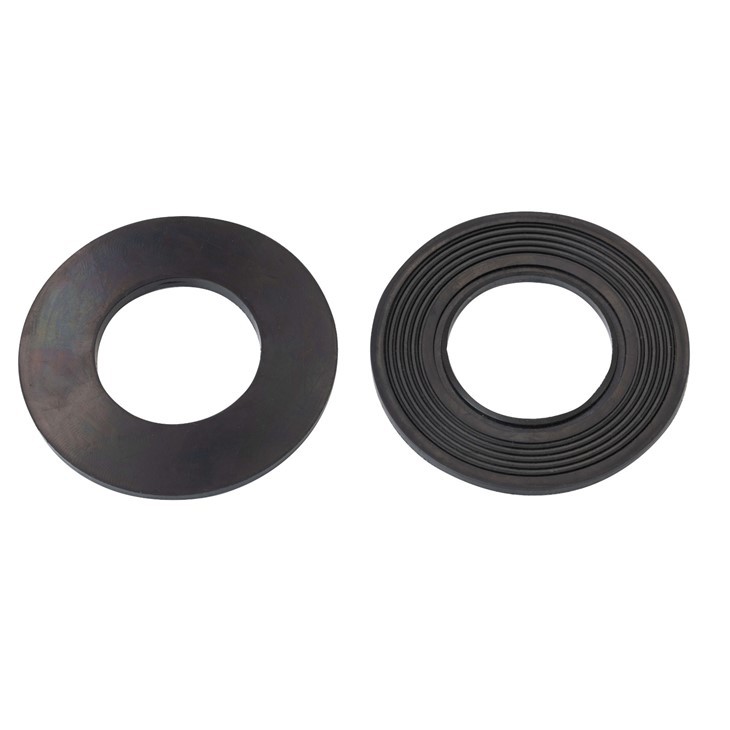
In addition to nylon washers, we also supply Polyamide PA Tapered Plastic Plug Caps, which can be used in various applications to protect and seal openings.
Contact Us for Procurement
If you're interested in purchasing nylon washers or have any questions about painting them, we encourage you to contact us for procurement discussions. Our team is committed to providing you with the best products and services. Whether you need a small quantity for a prototype or a large order for mass production, we can meet your requirements.
References
- "Plastic Materials and Their Properties" by John Murphy
- Manufacturer's guidelines for plastic - specific paints
- Industry best practices for painting thermoplastics