

How to Use Plastic Parts for Sound Insulation
Sound insulation is a crucial aspect in various industries and environments, whether it's in automotive manufacturing to reduce road noise, in construction to create quiet living spaces, or in industrial settings to minimize machinery noise. As a plastic parts supplier, we understand the importance of leveraging plastic materials to achieve effective sound insulation. In this blog, we will explore how plastic parts can be used for sound insulation and the different types of plastic parts that are particularly suitable for this purpose.
Understanding the Principles of Sound Insulation
Before delving into how plastic parts can be used for sound insulation, it's essential to understand the basic principles of sound insulation. Sound is a form of energy that travels through air or other mediums in the form of waves. When these waves encounter a barrier, they can be reflected, absorbed, or transmitted through the barrier. Effective sound insulation involves maximizing reflection and absorption while minimizing transmission.
Materials with high density and mass are generally better at blocking sound transmission. However, plastics, which are often lightweight, can still be effective for sound insulation through other mechanisms such as absorption. When sound waves hit a plastic part, the energy of the waves can be converted into heat energy within the plastic material, reducing the amount of sound that passes through.
Types of Plastic Parts for Sound Insulation
There are several types of plastic parts that can be used for sound insulation, each with its own unique properties and applications.
High Temperature TPE Plastic Injection Parts
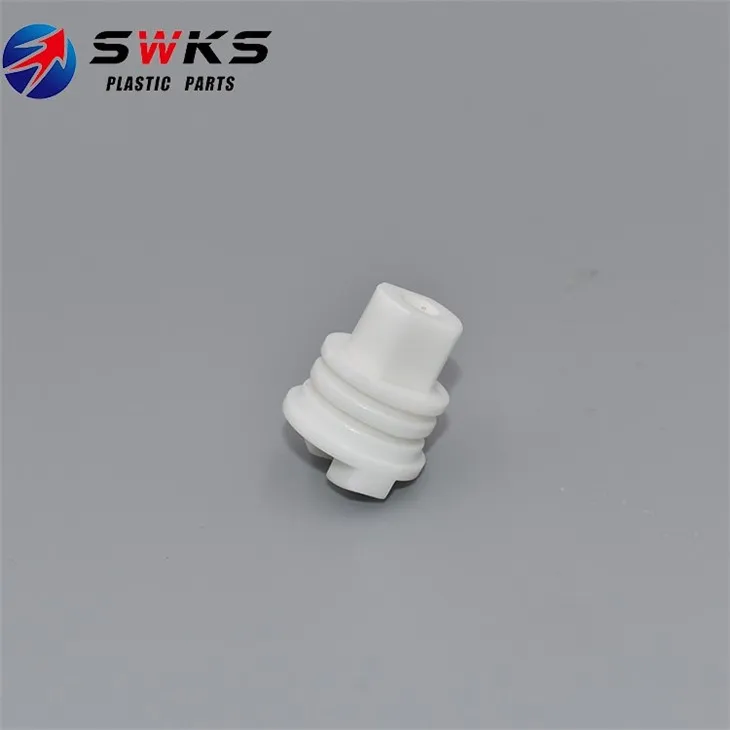
High Temperature TPE Plastic Injection Parts are a popular choice for sound insulation in applications where high temperatures are involved. Thermoplastic elastomers (TPEs) are a class of polymers that combine the properties of rubber and plastic. They have excellent flexibility, resilience, and damping properties, which make them effective at absorbing sound energy.
In automotive engines, for example, high temperature TPE plastic injection parts can be used to create gaskets and seals that help reduce engine noise. These parts can withstand the high temperatures generated by the engine while also providing a barrier against sound transmission. The flexibility of TPEs allows them to conform to irregular surfaces, ensuring a tight seal and maximum sound insulation.
Wear Resisting Peek Gear Parts
Wear Resisting Peek Gear Parts are another type of plastic part that can contribute to sound insulation. Polyetheretherketone (PEEK) is a high-performance thermoplastic with excellent mechanical properties, including high strength, stiffness, and wear resistance. In addition to these properties, PEEK also has good damping characteristics, which means it can absorb and dissipate sound energy.
In industrial machinery, PEEK gear parts can be used to replace metal gears. Metal gears can generate a significant amount of noise during operation due to the impact and friction between the teeth. PEEK gears, on the other hand, can reduce this noise by absorbing the sound energy generated by the gear meshing. The wear resistance of PEEK also ensures that the gears maintain their performance over time, further contributing to long-term sound insulation.
Nylon PU Coated Wheel Bushings PA
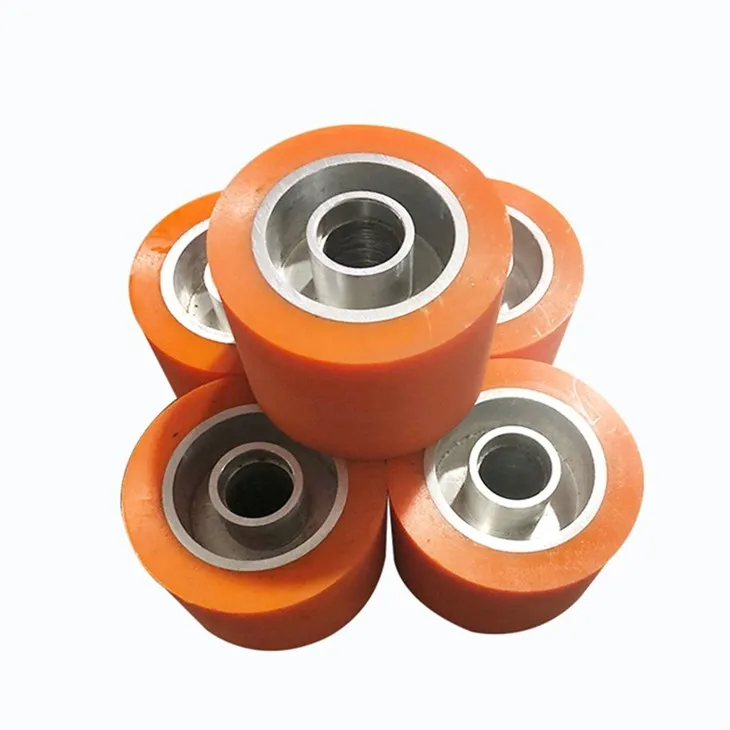
Nylon PU Coated Wheel Bushings PA are commonly used in automotive and industrial applications for sound insulation. Nylon is a strong and durable plastic material, while the polyurethane (PU) coating adds additional flexibility and damping properties.
In automotive suspension systems, these wheel bushings can help reduce noise and vibration transmitted from the wheels to the vehicle body. The nylon provides the structural support, while the PU coating absorbs the sound energy generated by the movement of the wheels. This not only improves the comfort of the passengers but also reduces the overall noise level of the vehicle.
Design Considerations for Plastic Parts in Sound Insulation
When using plastic parts for sound insulation, several design considerations need to be taken into account to ensure optimal performance.
Thickness and Density
The thickness and density of the plastic part play a crucial role in its sound insulation capabilities. Generally, thicker and denser plastic parts are better at blocking sound transmission. However, it's important to balance these factors with other requirements such as weight and cost. For example, in automotive applications, reducing weight is often a priority to improve fuel efficiency. Therefore, a compromise may need to be made between the thickness and density of the plastic part to achieve the desired level of sound insulation without adding excessive weight.
Shape and Geometry
The shape and geometry of the plastic part can also affect its sound insulation performance. Parts with complex shapes and geometries can provide more surface area for sound absorption. For example, a plastic part with a honeycomb structure can trap sound waves within its cells, increasing the likelihood of absorption. Additionally, the shape of the part can also influence the way sound waves interact with it. A curved surface, for example, can reflect sound waves in different directions, reducing the direct transmission of sound.
Sealing and Installation
Proper sealing and installation of the plastic part are essential to prevent sound leakage. Any gaps or openings around the part can allow sound to pass through, reducing the overall effectiveness of the sound insulation. Therefore, it's important to ensure that the plastic part is installed correctly and that all seals are tight. This may involve using gaskets or adhesives to create a seal between the plastic part and other components.
Testing and Validation of Plastic Parts for Sound Insulation
Once the plastic parts have been designed and manufactured, they need to be tested and validated to ensure that they meet the required sound insulation standards.
Laboratory Testing
Laboratory testing is commonly used to measure the sound insulation performance of plastic parts. This can involve using specialized equipment such as sound chambers to simulate different sound frequencies and intensities. The sound transmission loss (STL) of the plastic part can be measured, which is a measure of how much sound is blocked by the part. By comparing the STL of different plastic parts, the most effective ones can be selected for use in specific applications.
Field Testing
Field testing is also important to validate the performance of plastic parts in real-world conditions. This can involve installing the plastic parts in a vehicle or industrial equipment and measuring the actual noise level reduction. Field testing can provide valuable insights into how the plastic parts perform under different operating conditions and can help identify any issues that may not be apparent in laboratory testing.
Conclusion
Plastic parts offer a cost-effective and versatile solution for sound insulation in various industries and applications. As a plastic parts supplier, we are committed to providing high-quality plastic parts that are specifically designed for sound insulation. Our High Temperature TPE Plastic Injection Parts, Wear Resisting Peek Gear Parts, and Nylon PU Coated Wheel Bushings PA are just a few examples of the products we offer that can help you achieve effective sound insulation.
If you are interested in using plastic parts for sound insulation in your application, we invite you to contact us for a detailed discussion. Our team of experts can provide you with customized solutions based on your specific requirements. We look forward to working with you to find the best plastic parts for your sound insulation needs.
References
- Beranek, Leo L. Noise and Vibration Control. McGraw-Hill, 1971.
- Craik, R. J. M. Principles of Polymer Engineering. Cambridge University Press, 1995.
- Kinsler, Lawrence E., et al. Fundamentals of Acoustics. Wiley, 2000.