

Hey there! As a nylon washer supplier, I often get asked about the electrical conductivity of nylon washers. It's a pretty interesting topic, so I thought I'd share some insights with you all.
First off, let's talk a bit about nylon itself. Nylon is a synthetic polymer that's known for its strength, durability, and resistance to wear and tear. It's used in a wide range of applications, from clothing and automotive parts to industrial machinery. When it comes to nylon washers, they're commonly used to provide a cushioning effect, prevent leakage, and distribute loads evenly.
Now, the electrical conductivity of a material is a measure of how well it allows an electric current to flow through it. Materials can be classified into conductors, semiconductors, and insulators based on their electrical conductivity. Conductors, like metals, have high electrical conductivity, which means they can easily carry an electric current. Semiconductors have intermediate conductivity, and insulators have very low conductivity.
Nylon is generally considered an insulator. This means that it has a very low electrical conductivity and doesn't allow electric current to flow through it easily. The reason for this lies in its molecular structure. Nylon is made up of long chains of polymer molecules, and these chains have a high resistance to the movement of electrons. Since the flow of electric current is essentially the movement of electrons, nylon's high resistance makes it a poor conductor of electricity.
There are several factors that can affect the electrical conductivity of nylon washers. One of the main factors is the presence of additives or fillers. Some manufacturers may add conductive fillers, such as carbon black or metal particles, to nylon to improve its electrical conductivity. These fillers create a network of conductive paths within the nylon matrix, allowing electrons to move more freely and increasing the overall conductivity of the material.
The amount and type of filler used can have a significant impact on the electrical conductivity. For example, using a higher percentage of carbon black will generally result in a nylon washer with higher conductivity. However, adding too much filler can also affect other properties of the nylon, such as its mechanical strength and flexibility.
Another factor that can influence the electrical conductivity is the moisture content. Nylon has a tendency to absorb moisture from the environment, and water is a good conductor of electricity. When nylon absorbs moisture, the water molecules can act as carriers for electrons, increasing the conductivity of the material. However, this effect is usually temporary and reversible. Once the nylon dries out, its conductivity will return to its normal low level.
The temperature can also play a role in the electrical conductivity of nylon washers. In general, as the temperature increases, the electrical conductivity of nylon may increase slightly. This is because higher temperatures can provide more energy to the electrons, allowing them to move more easily through the material. However, this increase in conductivity is usually quite small and may not be significant in most applications.
So, why is it important to know the electrical conductivity of nylon washers? Well, in many electrical and electronic applications, insulation is crucial. Nylon washers can be used to isolate electrical components from each other, preventing short circuits and electrical interference. For example, in a circuit board, nylon washers can be used to separate different layers of conductive traces, ensuring that the electrical signals are properly routed and do not interfere with each other.
On the other hand, in some specialized applications, there may be a need for nylon washers with higher electrical conductivity. For example, in electrostatic discharge (ESD) applications, where it's important to dissipate static electricity safely, conductive nylon washers can be used. These washers can help to prevent the buildup of static charges, which can damage sensitive electronic components.
If you're in the market for nylon washers, whether you need standard insulating washers or ones with enhanced electrical conductivity, we've got you covered. We offer a wide range of nylon washer products to meet different requirements. You can check out our OEM Plastic And Nylon Gasket And Belt For Seal for more information on our sealing products.
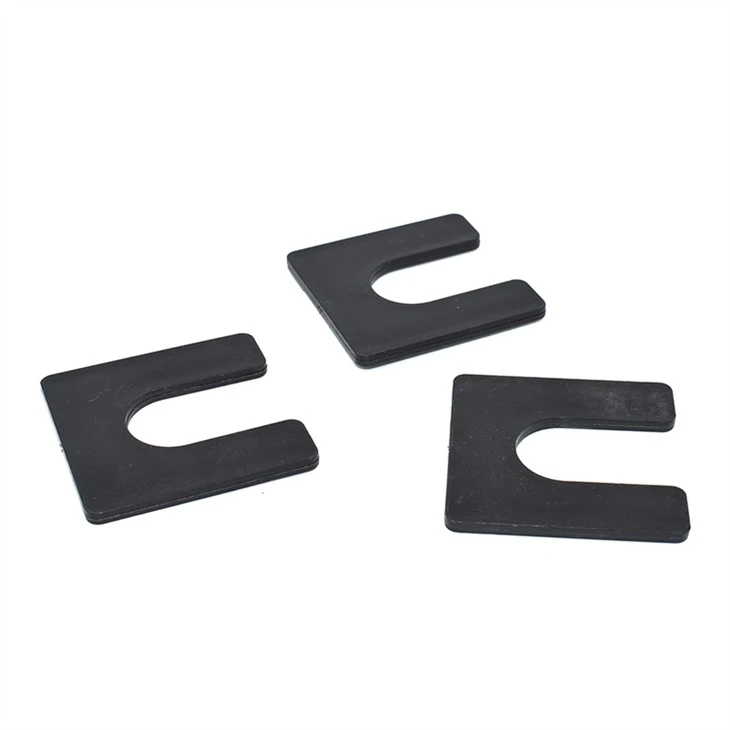

If you're interested in our enhance PA6 nylon parts, you can visit Enhance PA6 Nylon Parts. And if you want to get a quotation for our PA6 nylon parts, just head over to PA6 Nylon Parts Quotation.
We're always happy to discuss your specific needs and provide you with the best solutions. Whether you need a large quantity of standard nylon washers or custom-made washers with specific electrical conductivity requirements, our team of experts is here to help. So, if you're looking for high-quality nylon washers, don't hesitate to get in touch with us for a procurement discussion.
In conclusion, the electrical conductivity of nylon washers is generally low due to its insulating nature. However, through the use of additives and fillers, it's possible to modify the conductivity to meet specific application requirements. Understanding the factors that affect the conductivity can help you choose the right nylon washers for your needs.
References
- "Introduction to Polymers" by Young and Lovell
- "Plastic Materials" by Bill Morton