


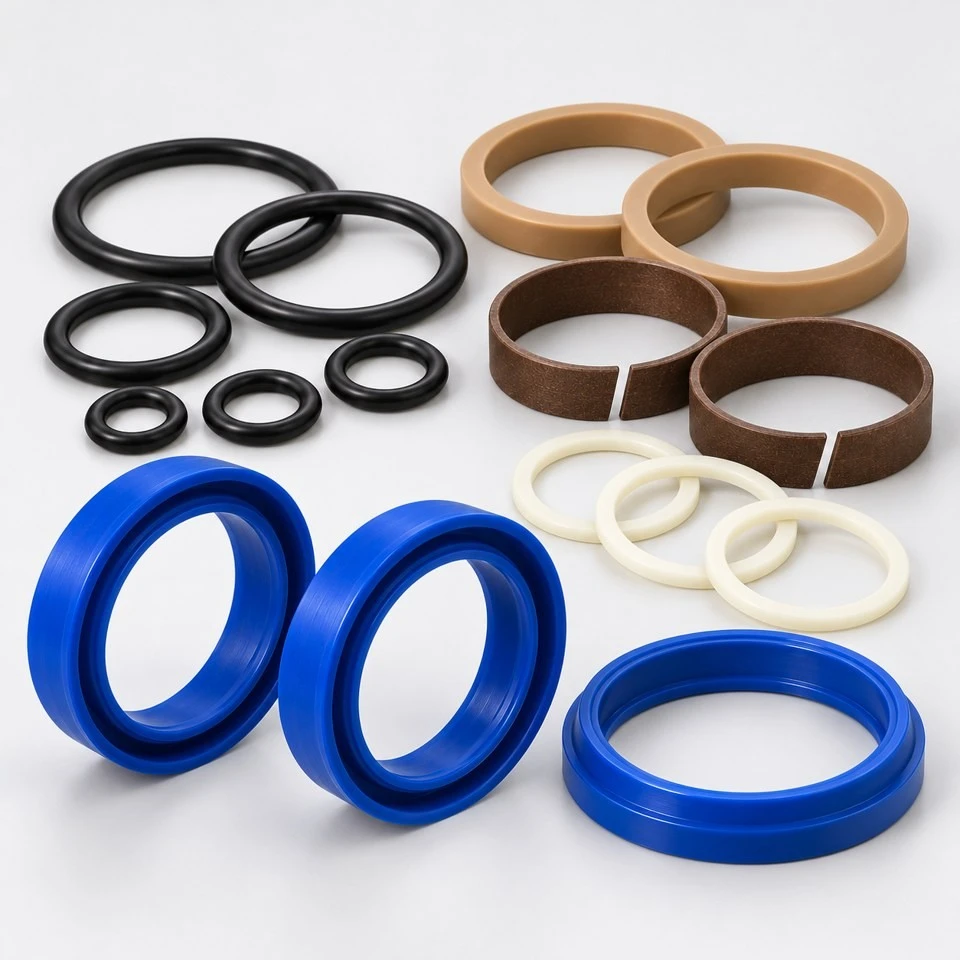
Tianjin SWKS Technology & Development Co.,Ltd is one of the most reliable manufacturers and suppliers of hydraulic cylinder seal repair kits in China. If you're going to buy bulk cheap hydraulic cylinder seal repair kits, welcome to get quotation from our factory. Quality products and low price are available.
Hydraulic Cylinder Seal Repair Kits
A hydraulic cylinder repair usually requires more than replacing the seal that is visibly leaking. The rod sealing arrangement, piston seals, static O-rings, backup rings and guide elements need to match the cylinder's grooves and operating conditions as a coordinated set. SWKS offers hydraulic cylinder seal repair kits selected from your cylinder information, component drawings or agreed seal schedule. The aim is a clearly defined repair package with the right profiles, materials and quantities for the particular cylinder, rather than an assortment of rings selected only by appearance.
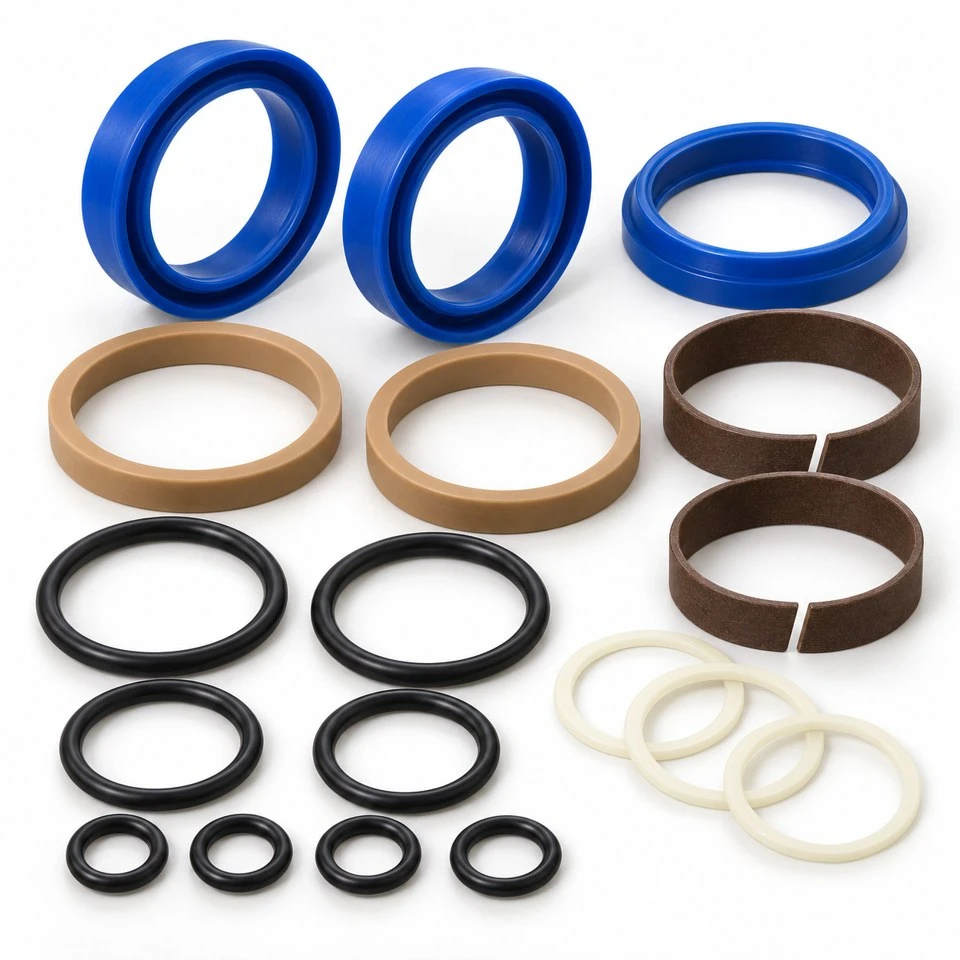
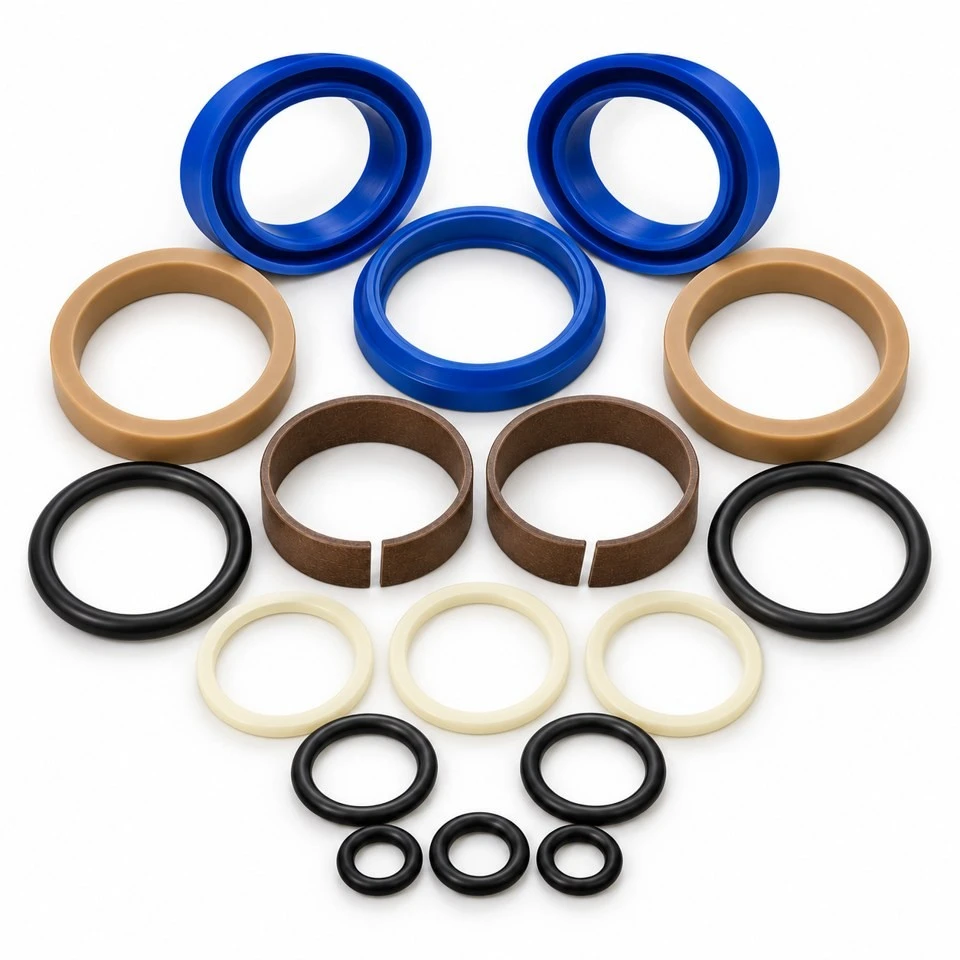
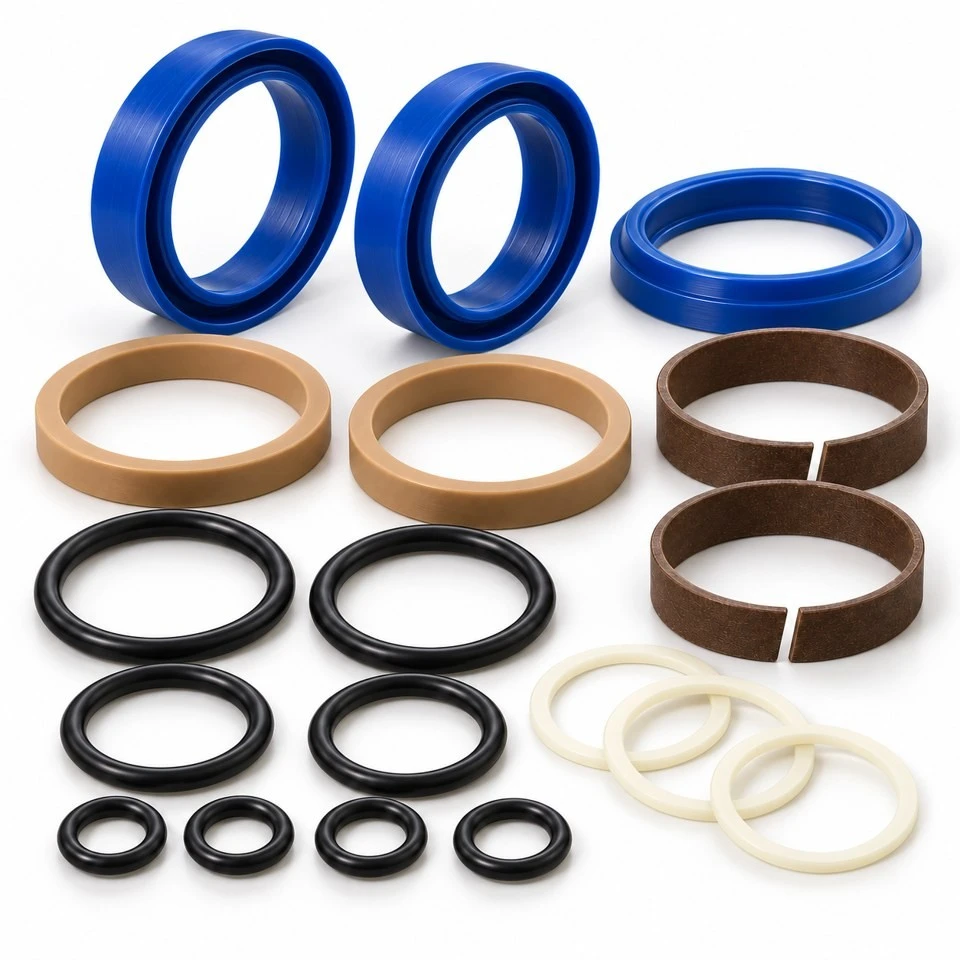
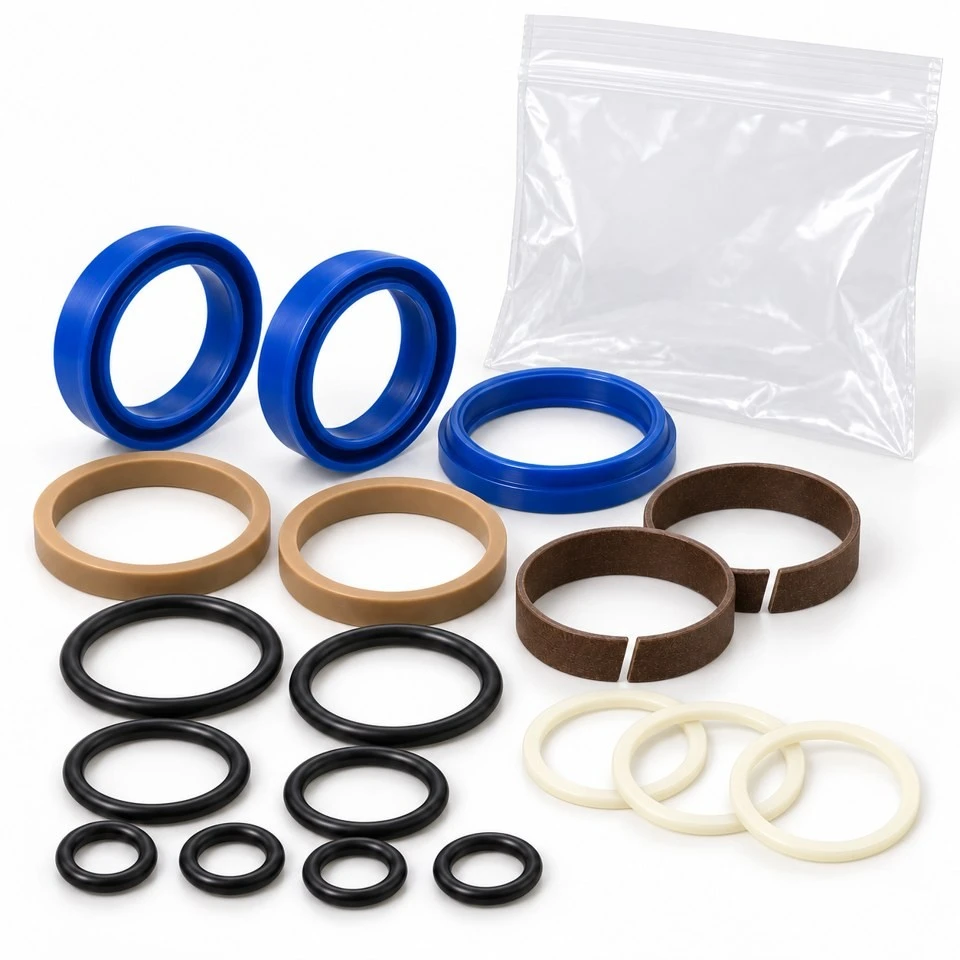
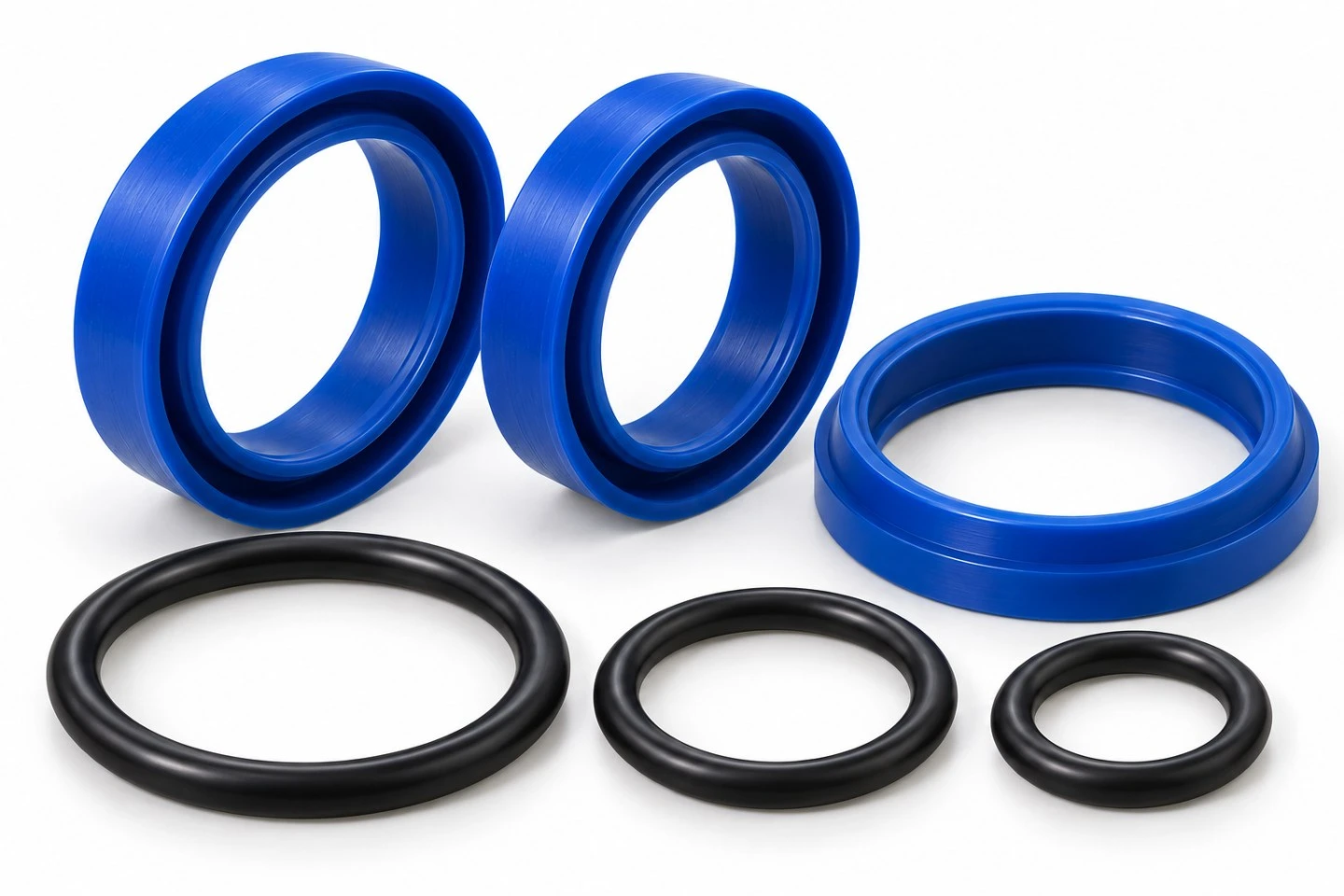
These kits are intended for hydraulic cylinder maintenance and rebuild projects in industrial and mechanical equipment. Potential applications include machinery cylinders, press and clamping equipment, lifting mechanisms and material-handling systems, subject to confirmation of the actual cylinder requirements. The photographs illustrate possible kit components. The number of pieces, seal profiles, colors and sizes supplied are established by the approved kit list; there is no universal set that fits every hydraulic cylinder.
What can be included in a hydraulic cylinder repair kit?
A repair kit may contain rod seals, piston seals, wipers, static seals, backup rings and wear or guide rings. Some cylinders use additional buffer seals or a multi-element piston sealing arrangement. Other designs use fewer components. We confirm the list from the cylinder construction and the requested scope of repair. A rod-end reseal kit is different from a complete cylinder kit, so the quotation should identify which areas of the cylinder are covered.
| Component group | Typical purpose | Information needed for selection |
|---|---|---|
| Rod seals | Control fluid leakage along the reciprocating rod | Rod diameter, groove geometry, seal profile and operating conditions |
| Piston seals | Limit fluid transfer across the piston | Bore diameter, piston groove and single- or double-acting arrangement |
| Wipers / scrapers | Limit contamination carried inward on the rod | Housing fit, profile, rod size and external contamination conditions |
| O-rings and backup rings | Provide the specified static sealing and extrusion-support arrangement | Groove dimensions, section size, material and pressure direction |
| Wear / guide rings | Guide moving components and separate relevant metal surfaces | Guide location, dimensions, material and side-load requirements |
Why do the seal profiles matter as much as the dimensions?
Two rings with a similar outside diameter may perform different jobs. Lip geometry, section shape, energizing elements and the way a seal fits its groove all affect its intended use. A rod U-cup, a piston seal and a dust wiper should not be substituted for one another because they appear close in size. The kit review therefore identifies both the profile and the installation position of each item.
If you have a component list, include the profile reference and drawing revision beside every size. For an existing cylinder, provide clear photographs of the removed parts, their positions and any legible markings. Keep multi-piece seal arrangements together during identification. A separate elastomer energizer or backup element may be essential to the assembly even when it looks less substantial than the main sealing ring.
Can you supply a kit from a cylinder model or part number?
A cylinder manufacturer, model and serial number can help identify the correct repair configuration. Include the machine model when available, but prioritize the identification on the cylinder itself. Similar machines may use cylinders with different rod diameters, seal arrangements or production revisions. A machine model alone may therefore be insufficient to confirm the contents of a kit.
We review the available information before accepting a compatibility description. If a model cannot be verified, drawings, a detailed seal list or measured hardware may be needed. We do not label an illustrative kit as an original manufacturer kit or claim compatibility with an unconfirmed brand and model. The order confirmation should state the agreed cylinder reference and the supplied component schedule so that the application remains traceable.
Which dimensions are needed when no kit number is available?
The cylinder bore and rod diameter are useful starting points, but they do not completely define the seals. Please provide the groove diameters, groove widths, housing details and the relevant mating dimensions for the rod and piston arrangements. For O-rings, include the section diameter and the specified size reference where known. For guide rings, identify the width, thickness and installed location.
Used seals can change shape after service and removal. Measurements taken only from a worn or stretched ring may not represent the original specification. Wherever practical, use the hardware groove dimensions and an original drawing to support identification. If only samples are available, tell us which parts are worn or damaged and provide the full set. We can review what additional information is needed before confirming a replacement kit.
How are NBR, FKM, polyurethane and PTFE selected?
A seal kit can contain several materials because each position has a different task. NBR or FKM may be considered for specified elastomer elements, polyurethane for suitable dynamic seal or wiper designs, and PTFE-based compounds for particular sealing arrangements. Guide and backup components may use other engineered polymers or composites. The final combination depends on the profile design, hydraulic fluid, temperature, pressure, motion and the cylinder hardware.
The material family is only part of the specification. Hardness, compound formulation, reinforcement or filler system and the supplier's grade data can all matter. A request for "rubber seals" should therefore be developed into a position-by-position material list before supply. We can discuss candidates against the stated service conditions, but no single polymer is represented as suitable for every hydraulic cylinder or fluid.
What operating conditions should be provided?
Please state the hydraulic fluid by its actual product or specification, including any additives or special fluid type. Provide the normal and peak working temperatures, the operating pressure, pressure spikes if known, rod speed and the expected duty cycle. Also describe long idle periods, outdoor exposure or contact with washdown chemicals. These details help distinguish a routine industrial cylinder application from one that needs a different material or sealing arrangement.
Pressure, temperature and speed should be considered together. A material description or the size of a seal does not establish a complete operating rating. We do not assign a blanket pressure limit, temperature range or service-life claim to all kits on this page. The selected components must be assessed against their grade and profile data, the installation geometry and the required operating envelope.
Why include wear rings and backup rings in the review?
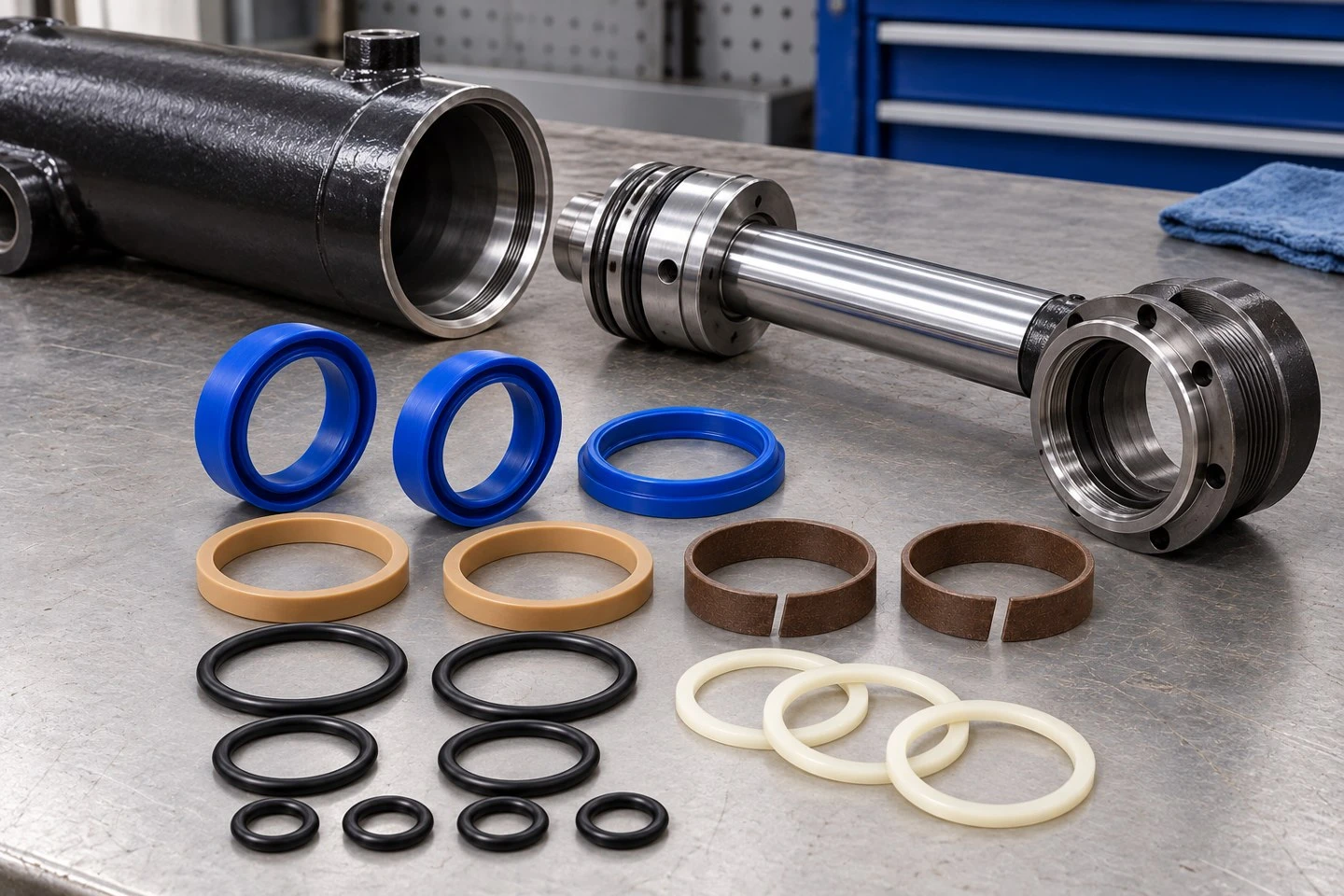
A cylinder's sealing system works together with its guiding and support features. Worn guide elements can allow unwanted contact or misalignment that a new sealing lip alone will not correct. The repair scope should therefore identify whether guide rings are to be replaced and whether the surrounding hardware remains within the required condition. Their dimensions and material need to correspond to the intended location.
Backup rings are also selected for a defined arrangement, rather than added randomly to improve a kit. Their presence, position and geometry depend on the sealing design and the direction of pressure. If the original assembly includes one or more backup elements, record that configuration during identification. A change to the arrangement should be reviewed against the actual groove and service requirements before it becomes part of the replacement schedule.
What should be checked before installing replacement seals?
A rebuild should include inspection of the rod, bore, grooves and associated guide surfaces. Damage, corrosion, contamination or a worn mating surface can prevent a new seal set from resolving the original problem. A recurring leak may be a sign that the underlying condition needs attention. The person carrying out the repair should evaluate the hardware against the equipment manufacturer's service information.
Installation also requires the correct orientation, suitable tools and clean handling appropriate to the selected profiles. Different multi-piece and lip-seal designs may have different assembly procedures. The kit list should identify the components clearly, while the applicable installation instructions define how they are fitted. We avoid presenting one generic orientation rule as suitable for every rod seal, piston seal and wiper combination.
How can the kit be organized for maintenance teams?
For repeat maintenance orders, a confirmed bill of materials makes the kit easier to receive and use. Each component can be associated with a position, size, profile, material and quantity. The packaging and identification requirements can be discussed during quotation, including separate inner bags for parts that need to remain distinguishable. The exact packing method is agreed for the order.
If your workshop services several cylinder versions, provide a separate list for each version instead of combining similar rings in one unidentified assortment. A small difference in a groove or profile can be difficult to recognize visually. Clear kit references and revision control help reduce mix-ups between repair jobs. Any substitutions should be documented and accepted before they are included in a repeat kit.
Are standard sizes and custom seal kits both possible?
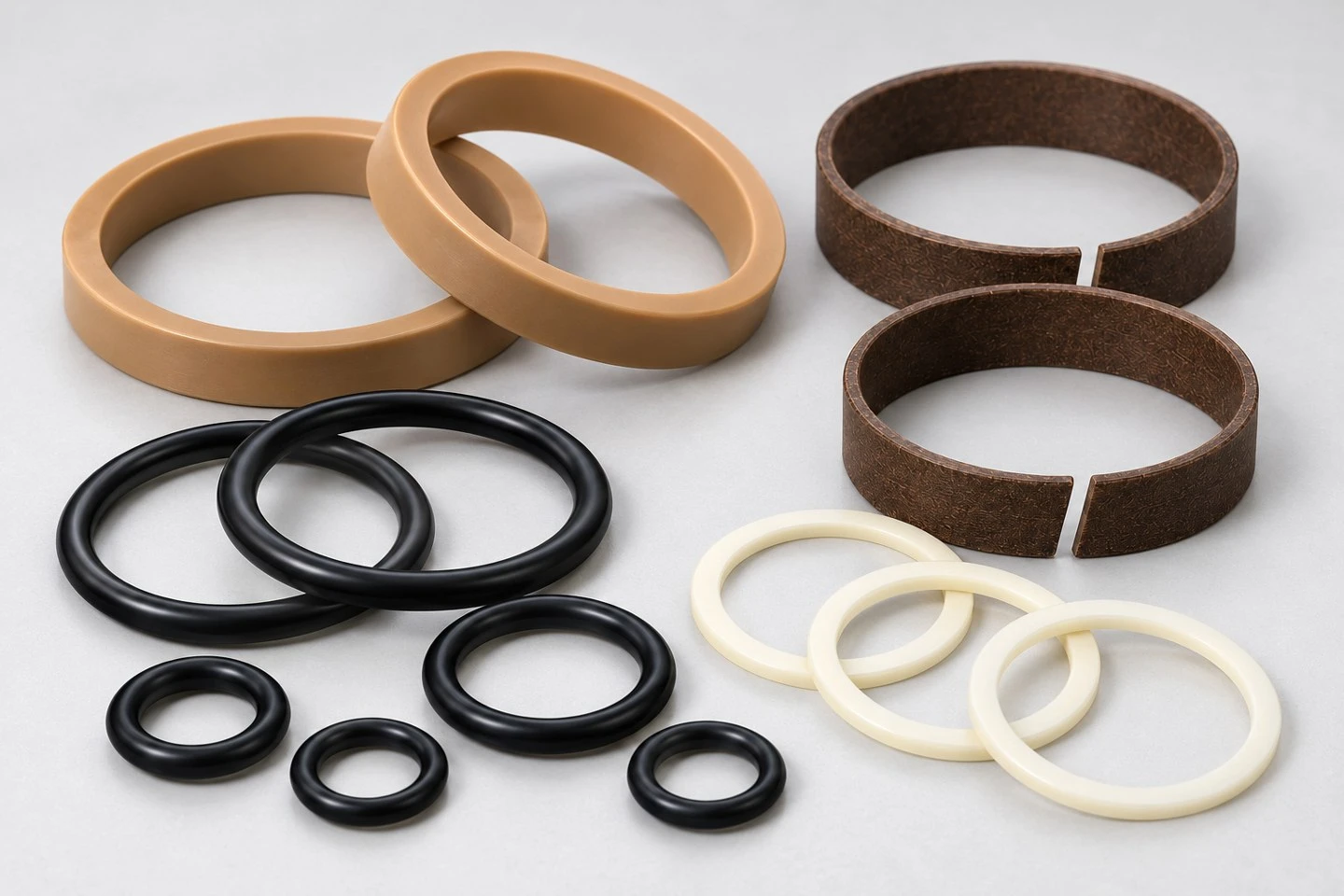
We can review requests based on identified standard profiles and sizes, as well as kits containing custom components. Availability depends on the specific profiles, materials and quantities. A kit with a nonstandard seal may require additional manufacturing work, a different process or tooling. These requirements are assessed from the drawing and quantity rather than assumed from the fact that the overall product is called a repair kit.
Send the complete list at the start so that one unusual component does not become an unexpected issue after the rest of the kit has been priced. If a custom profile is proposed, include its functional requirements and the mating groove. A change to the seal geometry must be evaluated as an application change, not treated as an automatic equivalent of the previous part.
What determines MOQ, pricing and lead time?
Pricing depends on the number of components per kit, dimensions, profiles, material grades, manufacturing route, inspection requirements and order quantity. A simple rod-end repair pack will differ from a full cylinder rebuild set. Minimum order quantity and sample availability are confirmed after the kit specification is reviewed. Small trial quantities and repeat supply requirements can be discussed against the confirmed component list.
Please state the number of complete kits required and whether you also need spare individual seals. For repeat orders, include the expected annual demand and the version mix. Lead time depends on component availability and any custom manufacturing or sample approval work. The quotation will distinguish agreed kit contents from optional items so that the package being purchased is clear.
What should you send for a hydraulic seal kit inquiry?
Send the cylinder manufacturer and model, kit number if known, bore and rod sizes, drawings or a seal schedule, working fluid and operating conditions. Add photographs of the removed seals and cylinder identification where helpful. If the request concerns an urgent repair, identify the missing information and the required delivery date so that feasibility can be reviewed promptly.
SWKS can review hydraulic cylinder seal repair kits for industrial maintenance and rebuild projects, with contents confirmed against your application. Welcome to send your drawings, seal dimensions, material requirements and required kit quantities for an inquiry. Contact: amanda@tjswks.com
Hot Tags: hydraulic cylinder seal repair kits, China, suppliers, manufacturers, factory, bulk, cheap, low price, quotation, rubber seal for camcorders, rubber seal for circular saws, rubber seal for clothing accessories, rubber seal for labeling machines, rubber seal for powder metallurgy machines, rubber seal for street lights


