


Tianjin SWKS Technology & Development Co.,Ltd is one of the most reliable manufacturers and suppliers of custom silicone battery module pressure equalization valve membrane in China. If you're going to buy bulk cheap custom silicone battery module pressure equalization valve membrane, welcome to get quotation from our factory. Quality products and low price are available.
Custom Silicone Battery Module Pressure Equalization Valve Membrane
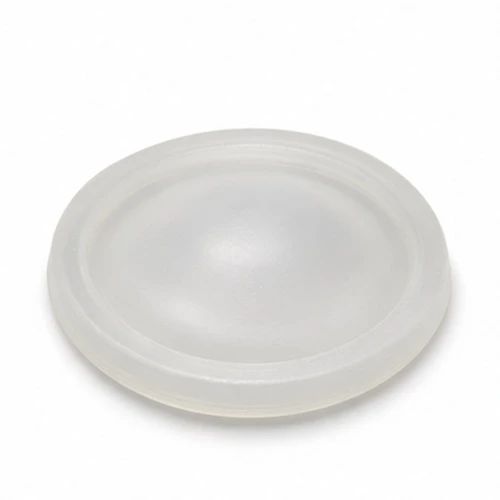
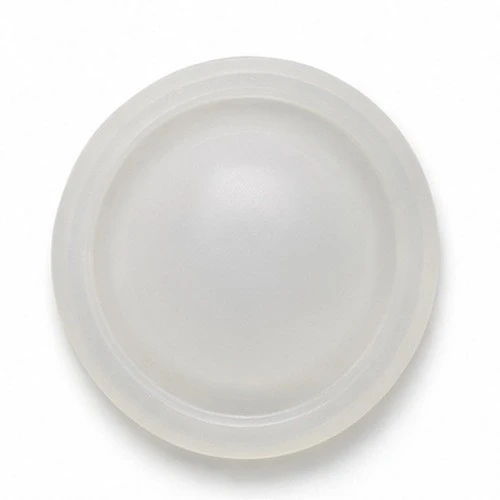
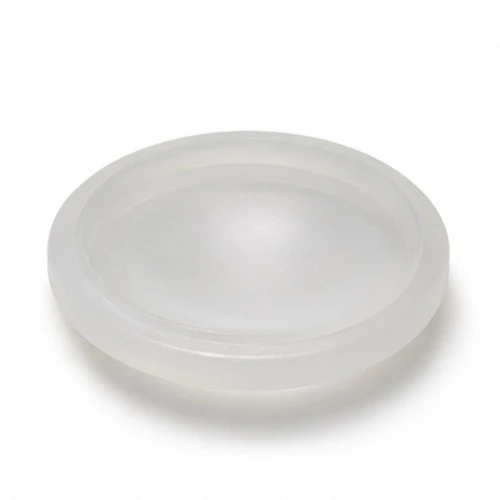
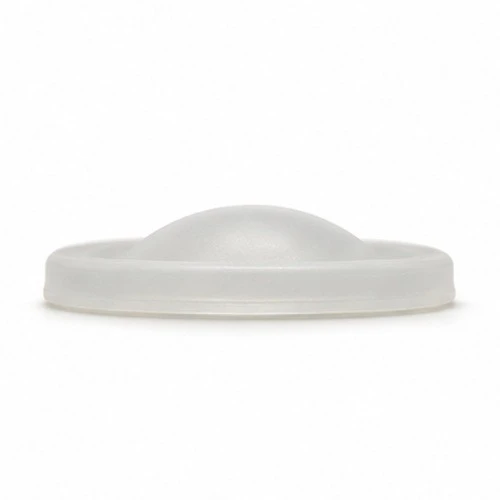
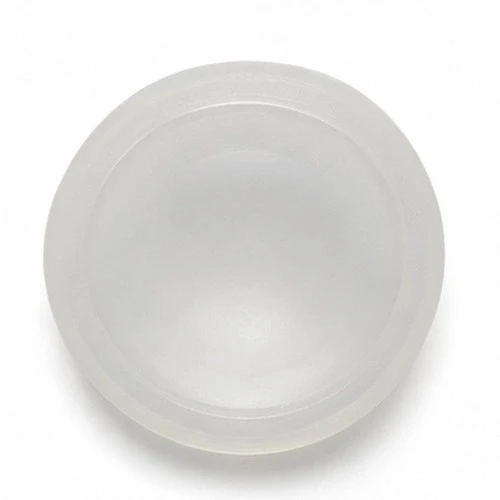
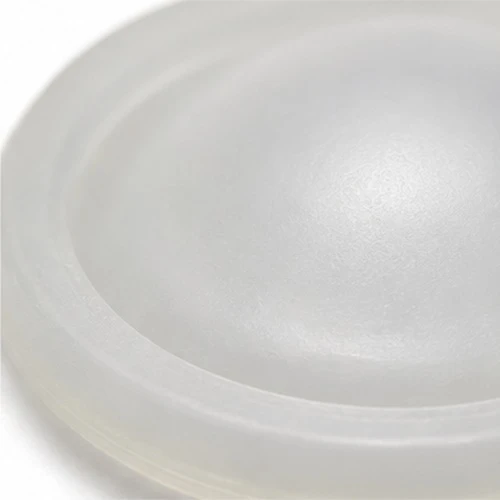
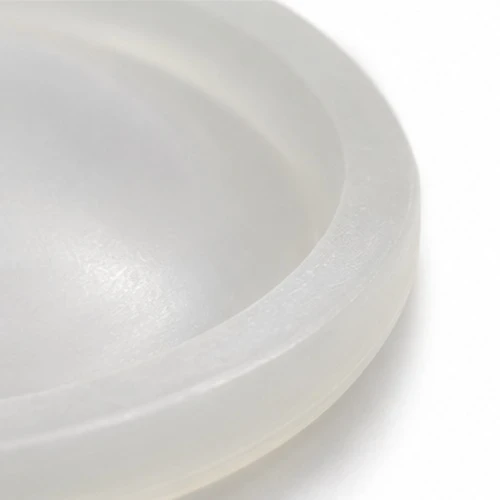
SWKS quotes this pressure equalization valve membrane from the customer's approved drawings and project requirements. The white-background photos are generated illustrations of representative geometry. Final fit, material grade and validation requirements follow the project specification.
Product specifications
| Material | Silicone grade per approved specification |
|---|---|
| Process | Custom elastomer molding |
| Part function | pressure equalization valve membrane |
| Drawing review | membrane seat, moving region and perimeter restraint |
| Quotation files | STP, STEP or IGS and a dimensioned PDF |
| Supply scope | Tooling, first samples and repeat production per project |
Define which valve part is included
The proposed silicone membrane is a drawing-based part inside a pressure equalization valve assembly. The equipment owner defines the valve architecture, operating conditions and acceptance criteria. The image shows an example membrane with a perimeter and a curved central region for geometry discussion. It does not establish pressure, venting, airflow or battery system suitability. The quotation begins with a controlled drawing, the approved material requirements and an assembly view that identifies where the molded item is retained. Separate valve housing, support and protective parts should be identified as reference or as separately requested items.
Ask the equipment team to show the installed perimeter and the intended moving region on the same section. A photograph of a round elastomer sample cannot show which part of a valve holds it or which spaces belong to other components.
Check interface geometry with the approved fixture
An inert sample arrangement can document whether the perimeter reaches the customer-defined seat and whether it fits inside the surrounding assembly envelope. Keep the assembly in the specified reference state and identify all parts included. A loose profile check and a check on a customer fixture serve different purposes. Product performance and the release process are established by the owner of the valve and battery module. Provide its approved test documentation when requesting material and assembly review.
When the housing changes between development and release, refer to the newly approved section rather than assuming a membrane from the earlier build is interchangeable. Record the revision of each reference item and identify whether it is a production part or an inert fit sample.
Document the scope before ordering samples
Confirm the exact grade, inspection condition and documentation required from the supplier. Include area of supply, color and lot identification where applicable. The project drawing can identify a visible seat edge or flange used for checking orientation. A clear model also shows which pieces the customer will provide and which ones are outside the drawing that the quote covers. Give the sample quantity and projected volume by valve model. Keep loose molded dimensions and system qualification tied to the appropriate stages of the owner's program.
Two records for one valve project
On a development project, purchase records can identify a geometry sample before the product owner releases it for qualified use. The first record can describe the physical membrane, drawing, intended fixture and requirements for part inspection. The separate equipment record can identify the acceptance process and exact valve or battery module that is evaluated. Provide the names of both documents in the RFQ if the buyer needs them later. A part label showing the intended assembly helps prevent an early piece from being mistaken for a different revision.
If a retained reference is useful, choose its role and storage condition. A customer may send an inert fixture and a reference membrane to show the seat and finish. These items should each be identified, even if they arrive in the same box. Note whether the fixture stays with the supplier until the next trial or must be returned. Keep the relevant sample counts and dates in the quotation for clarity.
Identify the molded interface in section
An enlarged section from the equipment owner can show which portion of the membrane is inspected without support and which portion is observed after it is placed into the fixture. Mark those positions without relying on color or apparent stiffness in photographs. A revision to a neighboring holder may affect how a mechanical fit check is performed. Retain the previous reference beside the update when the approved process calls for comparing versions. This gives the buyer a consistent way to judge receipt of the part while keeping equipment approval with the system owner.
Read the valve component list from the housing inward
A buyer may have a molded membrane, a retainer and other valve elements within the same engineering record. An inquiry should point to the particular drawing item it needs. Mark the external support that gives the membrane an installed reference and make it clear which parts of the cross section belong to the housing. An overall drawing of a battery assembly may call the entire valve by one line item. An exploded view can show what is provided as an inert fitting reference and what has to remain with the owner for validation. Provide a revision identifier and sample requirement for the individual silicone piece.
A buyer who receives an unmounted membrane can inspect the agreed outer profile and physical condition. The sample photo can record where a flange, formed center or transition is visible. Provide the receiving side of the drawing and any owner criterion for handling. A revision to the retainer can make the assembly view more important than the center of the loose molded membrane. Mark any engineering change proposal with the applicable enclosure and valve identifiers so the right stakeholders see it before release.
A qualification package should keep related documents together
A membrane requested for evaluation can have an associated purchase file, material approval and equipment validation plan. It helps to show where those release decisions are made. The mold quotation should name the required compound, inspection and the accepted design revision. Any qualification for the installed valve or battery assembly rests on the owner's approved design and evaluation. A prototype sample should be labeled for that stage of work. When a separate equipment team receives it, attach the controlled record showing who can approve a proposed change and what units were ordered.
If the released compound has an acceptance requirement for physical appearance or lot documents, attach the applicable material specification. If the fixture is shipped to assist mechanical review, include return arrangements and approved handling information. Check that the purchase order names the same molded component as the owner's first-article request. This can prevent a proposal for a rubber piece from being mistaken for an approved change to an entire valve.
Draw the part from the installation side
A technician who receives a soft component may see a different surface from the one shown in the equipment drawing. Provide a view of the item immediately before fitting and a corresponding view after closure. Identify the side supported by the hardware and the side still accessible after the equipment is assembled. If a nearby component must be removed for access, include it in the view or mark its location. This allows a buyer to verify service fit against the intended hardware without assuming that a loose component can be approached from any direction. For similar versions, put the locating reference and part number on the two views. A sample made to the correct geometry should also be identifiable before it is fitted.
Separate package appearance from measured condition
An incoming inspection may begin shortly after pieces are removed from a container. Decide which observations can reasonably be made at that stage and when the part needs to be assessed under its specified inspection conditions. Show whether a lip, flange or pad is expected to rest on a support. Where the molded piece is placed around a shape for measuring, include the way it is loaded into the fixture. Where an appearance sample is used, tell the supplier which face and lighting can be used as a reference. Record the item number and compound specification with the evaluated parts. Packaging samples can be reviewed separately to make sure that the expected inspection surface is accessible after opening.
Which release controls a development order
A project may quote several candidates before confirming the exact assembly. Give each version its own identifier and state which one is open for engineering review. Send the small portion of the parent assembly that locates it and name the prototype pieces the customer can provide. Measurements from one fixture should not quietly become requirements for a different release. When one design is selected, update the sample and quantity list so both parties know which drawing has moved into purchasing. Include any material approval requirement that remains open and note which evidence must be ready before tooling, before pilot samples or before repeat production. This makes it easier to compare a quote with the actual sequence of work.
Questions for the molded surface review
The part drawing can show three distinct regions. One may mate to another surface. Another may need to stay clear as nearby hardware moves. The third can be used for marks or tooling features. Highlight those areas on the model, using a side view if a bearing face is hidden. Separate cosmetic observations from requirements that affect contact and fit. If a witness mark is visible on the sample, report it relative to the approved region before changing the tool. The normal assembly orientation should be present in the image used for review. Give the intended limits and approved check for the exact feature rather than extending a surface rule from one piece to every similar molding.
Explore the SWKS range of custom molded industrial components for related OEM parts.
Request a quotation
Email your drawings, application information and expected quantities to amanda@tjswks.com for a project review.
Hot Tags: custom silicone battery module pressure equalization valve membrane, China, suppliers, manufacturers, factory, bulk, cheap, low price, quotation


