


Tianjin SWKS Technology & Development Co.,Ltd is one of the most reliable manufacturers and suppliers of custom pa66 industrial agricultural baler knotter housing insert in China. If you're going to buy bulk cheap custom pa66 industrial agricultural baler knotter housing insert, welcome to get quotation from our factory. Quality products and low price are available.
Custom PA66 Industrial Agricultural Baler Knotter Housing Insert
The molded liner occupies a drawing-defined pocket inside the knotter housing. The illustrative plastic insert has locating features and a local relief beside the twine path. It is evaluated in the actual knotter assembly alongside the metal housing and moving hardware. Pictures are generated examples for project discussion. All finished dimensions, material specification and qualification requirements depend on the approved design.
Derive the pocket from the actual knotter housing
The housing insert sits inside the knotter mechanism in a location selected by the baler manufacturer. Ask for a drawing showing the cast pocket section, depth and access direction. If an old sample is the only reference, identify the areas that are worn, chipped or recently modified. A damaged section may still be useful to confirm where the insert is fitted, but it should not be copied as the original wall geometry. A casting identification or assembly revision is especially helpful when a baler family uses more than one knotter arrangement.
Product specification
| Material | PA66 |
| Manufacturing method | Custom injection molding |
| Application | agricultural baler knotter housing assemblies |
| Assembly references | cast housing, guide surfaces, twine path, retainers and adjacent moving knotter parts |
| Drawing formats | STP, STEP, IGS and a dimensioned print |
| Validation scope | pocket fit, twine clearance across the approved motion and prevention of insert shift |
During a review of knotter pocket liner, ask the owner to show the unworn pocket dimensions and the installed orientation. Treat this as a controlled interface rather than an appearance preference. A model supplied alone may have enough information for a rough quotation while omitting the references needed to confirm assembly. For an engineering review of agricultural baler knotter housing assemblies, mark the relevant surfaces on both the customer assembly and the part drawing. Indicate which dimensions are checked before assembly and which depend on the selected mating items.
Keep the space used by twine clear
Provide the location of the working twine path and the equipment-owner-approved moving envelopes. The insert can include relief beside the path or simply locate in the housing outside the working area. Show which regions must remain clear when the knotter is in the positions authorized for an inspection. Confirm the role of other parts that guide or cut twine. A picture of the plastic liner cannot identify the position of those working components or establish that the mechanism will tie correctly.
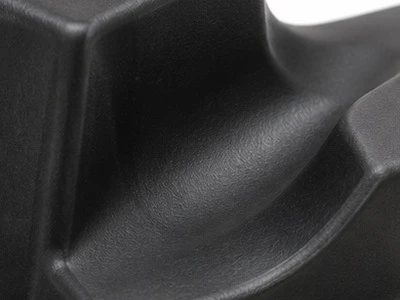
Ask the design team to identify the twine route and the envelope that must stay open during ordinary operation. A useful review separates the manufactured component from the extra space needed to install it. Record the position and any access requirement after nearby hardware is fitted. When different equipment revisions share an outer shape, include a separate view of each arrangement. This gives purchasing a clear way to trace a request for knotter pocket liner to the assembly that actually needs it.
Control how the pocket liner seats
Locate the seating pads or stops from the approved housing references. If there are screws, include the exact fastener and the shape of the countersink or counterbore required. Note which face establishes the installed height and which surfaces only clear the cast pocket. An insert that fits its screw holes may still tilt if the seating pads do not engage. A section view through the pocket and screw head can resolve details that disappear behind the casting in a general assembly model.
For this item the drawing package should give the complete context. Specifically, provide the fastener type and seat profile. The best section is one that shows the feature in its intended assembled state. Include hardware type and any permitted alternate part. If access or fit changes with the alternate, quote an agreed revision first and review the second configuration before sharing a tooling decision. Keep the part data for agricultural baler knotter housing assemblies tied to its intended revision.
Check handed positions across a bank of knotters
A baler can carry multiple knotter positions. Establish whether all of them accept one insert or whether the position at either end needs a different outline. Photograph or label reference units by side and position. If one mold is requested for several arrangements, create a list of shared and variant dimensions. Keep the service part number with the selected model. The initial inquiry should clearly identify the version needed for each expected quantity.
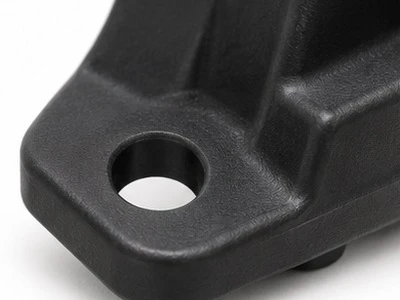
At sample approval, name typical crop debris, exposure to dirt and relevant approved cleaning methods. The part manufacturer and the purchaser can then review the same configuration. Retain the reference setup, including the way the component is supported and the selected mating items. A difference between an unmounted measurement and an assembled one should be documented with the condition and measuring point. This avoids deciding whether a sample is usable based only on the shape visible in a photograph of knotter pocket liner.
Select the PA66 condition for site exposure
Identify dirt, intermittent crop residue, moisture and any cleaner that reaches the insert. Share storage and operating temperatures for the equipment location. Agree on how nylon samples will be conditioned before measuring the pocket fit. A sample removed from the mold and one stored in a humid workshop may not show the same relationship between plastic and metal. Include any color or identification requirement on the product drawing if maintenance workers rely on it to distinguish positions.
Use a controlled sample to distinguish mirror positions when inserts are used across a bank of knotters. Before agreeing on a manufacturing tolerance, identify which areas can use ordinary process variation and which need a specifically documented result. The priority should be the features related to installation, the agreed service role and the checks in the equipment drawing. Label the revision of the molding and mating components if any decision is made during a pilot run for agricultural baler knotter housing assemblies.
Approve fit under the manufacturer's service procedure
When a sample is trialed, check the seating marks and identify whether the screw is qualified to hold the insert in place. Confirm that the intended twine clearance remains available through the equipment owner's authorized inspection envelope. A trial on an isolated knotter assembly can establish fit; validation of the complete baler and measures for safe service remain with the machine manufacturer. Keep the first article with the housing revision, twine reference and the documented fit criteria used to approve the design.
On the quotation review, specify how a maintenance technician checks the fit and replaces the liner. Add an acceptance method to the drawing when the requirement cannot be understood from the model alone. Explain whether the initial check requires a fixture, a reference assembly or a representative installed component. If an inspection report is requested, agree on the fields that must appear in the report before ordering pilot parts. This helps keep the assessment of knotter pocket liner separate from qualification of the complete equipment.
Purchase and sample approval
When preparing the purchase request, attach the model, section views, finish specification and the expected annual requirements. If an approved physical part exists, identify the changes that should be carried into the new tooling. A worn item is useful for explaining access and orientation while the controlled drawing should define the intended usable geometry. Keep the source item and agreed reference assembly identified separately.
Each change request should identify the mating part and the feature affected. If a drawing is converted from a previous assembly, give the new revision and note the locating method. Agree how accepted samples and records will be labeled and retained. Include color, shipment quantities and documentation requirements when requesting a quotation so that ordering information stays associated with the correct design.
Fastener seat in the project record
At sample approval, provide the fastener type and seat profile. The part manufacturer and the purchaser can then review the same configuration. Retain the reference setup, including the way the component is supported and the selected mating items. A difference between an unmounted measurement and an assembled one should be documented with the condition and measuring point. This avoids deciding whether a sample is usable based only on the shape visible in a photograph of knotter pocket liner.
Crop debris in the project record
Use a controlled sample to name typical crop debris, exposure to dirt and relevant approved cleaning methods. Before agreeing on a manufacturing tolerance, identify which areas can use ordinary process variation and which need a specifically documented result. The priority should be the features related to installation, the agreed service role and the checks in the equipment drawing. Label the revision of the molding and mating components if any decision is made during a pilot run for agricultural baler knotter housing assemblies.
Assembly clocking in the project record
On the quotation review, distinguish mirror positions when inserts are used across a bank of knotters. Add an acceptance method to the drawing when the requirement cannot be understood from the model alone. Explain whether the initial check requires a fixture, a reference assembly or a representative installed component. If an inspection report is requested, agree on the fields that must appear in the report before ordering pilot parts. This helps keep the assessment of knotter pocket liner separate from qualification of the complete equipment.
Related SWKS products include Custom PA66 Industrial Agricultural Machinery Seed Metering Disc and Custom PP Seed Meter Outlet Guide Chutes.
For a drawing-based quotation, send the assembly references and required quantity to amanda@tjswks.com.
Hot Tags: custom pa66 industrial agricultural baler knotter housing insert, China, suppliers, manufacturers, factory, bulk, cheap, low price, quotation, Custom ABS PC PP Plastic Mould Machine, Injection Molded Polypropylene Parts, Molded Industrial Polyurethane Spare Parts, Peeks Auto Parts, plastic injection manufacturing parts, plastic injection molding parts


