


Tianjin SWKS Technology & Development Co.,Ltd is one of the most reliable manufacturers and suppliers of custom pa66 battery module cell vent gas deflector in China. If you're going to buy bulk cheap custom pa66 battery module cell vent gas deflector, welcome to get quotation from our factory. Quality products and low price are available.
Custom PA66 Battery Module Cell Vent Gas Deflector
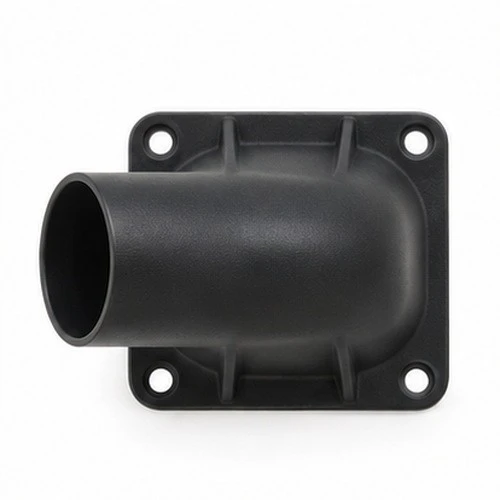
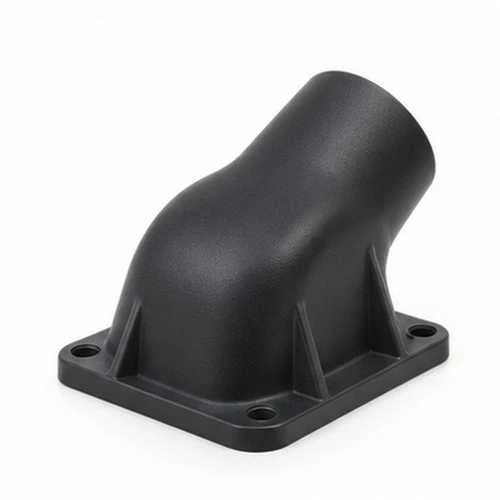
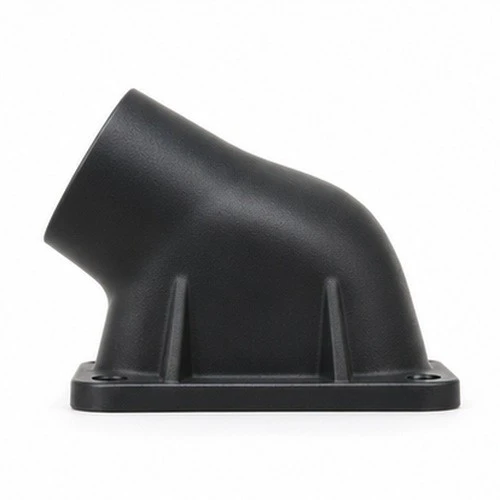
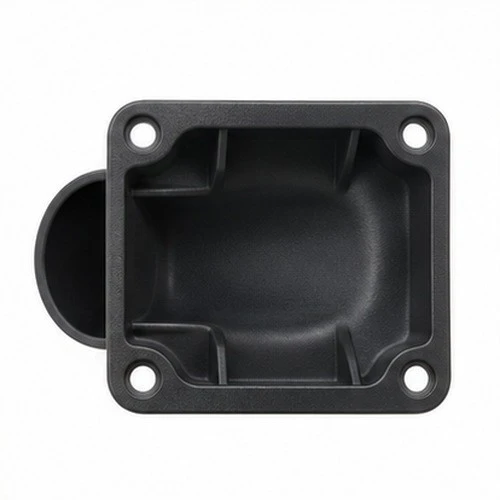
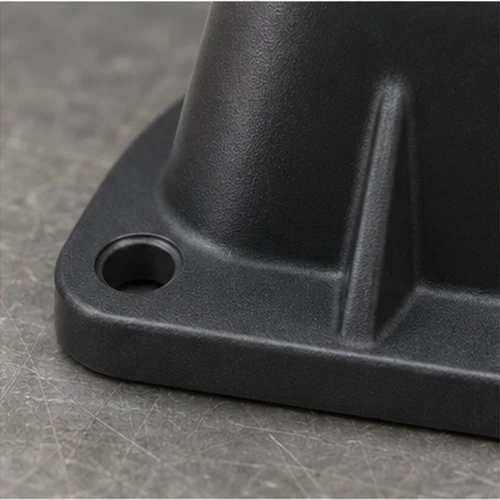
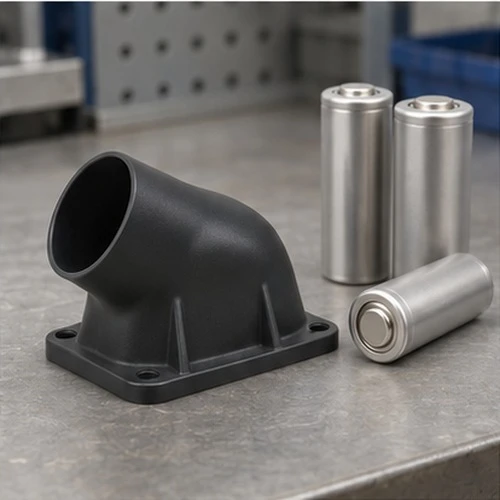
SWKS reviews this molded component from customer drawings for battery module vent deflector design evaluation. The images show generated examples of the part and its installation. The supplied configuration follows the approved drawing.
Table of Contents
- A drawing-based part for a qualified battery module project
- What can be learned from an inert mechanical mockup
- Separate material review, molding inspection and system approval
- Drawing review and mold layout
- One sample, two ways to read the result
- What we use to scope a tooling and molding quote
Product specifications
| Material | PA66 grade confirmed against project specification |
|---|---|
| Manufacturing process | Custom injection molding |
| Application | Battery module vent deflector design evaluation |
| Key design inputs | project-defined envelope, location and mounting flange |
| Drawing files | STP, STEP or IGS with dimensioned PDF |
| Ordering scope | Project-specific tooling, samples and repeat quantities |
A drawing-based part for a qualified battery module project
This listing describes a proposed molded PA66 deflector geometry for project evaluation. The equipment designer supplies the module configuration, material specification and qualification evidence. A generic resin family name or application photograph is insufficient to establish suitability for cell vent gases, hot particles or an abuse event. The generated images depict a representative part on an inert assembly. They illustrate the proposed buying scope and do not represent a demonstrated operating condition.
Quotations can begin with an approved drawing package that gives the component number, model revision and the scope of the requested molding. Include which neighboring module surfaces locate the part and which parts are provided for mechanical fit checks. A controlled drawing helps distinguish a deflector housing from a separate bracket, a module cover or a component used during a development trial.
What can be learned from an inert mechanical mockup
An inert fit mockup lets the buyer and supplier review the envelope and the access needed to install the molding. The first sample can be inspected with the reference fixing points and the neighboring parts represented. A photograph of a loose cap cannot show whether its locating shoulder reaches an approved seat. The mockup can answer that question and can document whether a fastener is reachable in the specified installation sequence. It does not establish the behavior of the powered module in normal use or during an event.
The approval record should identify the actual mechanical fixture and released drawing. If the same molded outline is used with different module revisions, provide a model or assembly view for each approved fit. Mark the material grade and project documentation requirements. Keep the pilot measurements traceable to the drawing version used for the order.
Separate material review, molding inspection and system approval
At quote stage state any required resin documentation, whether material substitutions are permitted and who releases the final part design. If the owner needs specific evaluation evidence, name the responsible assembly qualification process. The supplier's molding check can compare geometry, finish and installed position to the accepted specification. The equipment owner retains responsibility for the approved material choice and performance evaluation of the completed battery module.
A practical inquiry includes the drawing, intended reference assembly, sample count, forecast and any handling or packaging requirements. If the part is at an evaluation stage, provide the expected milestones before tooling and before production. Early discussion can document the available design version and what the buyer needs from trial parts without treating a prototype sketch as a production approval.
For receiving inspection, agree which surfaces can be measured on a bench and which need a mechanical mating reference. If the part is checked after fitting, record the version of the surrounding module and its assembly condition. When there are right and left versions, put an orientation view and the matching identifier on the first-article record. This helps the inspector connect an observed fit or cosmetic mark with the correct procurement drawing.
Drawing review and mold layout
An early tool review for battery module vent deflector design evaluation should start with a section through project-defined envelope, location and mounting flange. This gives the mold designer a basis for deciding which features can carry draft and where the part opens out of the tool. An outer surface that looks continuous on a shaded model can contain a local undercut that restricts a straight pull. A hole that seems easy to gauge from one side might need to be formed in the opposite direction to preserve an adjoining wall. Bring these details into discussion while the critical interfaces can still be reviewed against the mating model. The drawing should identify which faces are fixed by the equipment design and which may be adjusted for manufacturing.
Surface expectations also belong on the drawing. A gate vestige hidden inside the assembled machine may matter if the part moves through that space during service. Two surfaces adjacent on a drawing can have quite different limits for flash or witness marks. Show the boundary with a shaded view or reference photos. Ribs and bosses should be reviewed in section, especially around thick intersections. Where the buyer already uses a resin grade or texture, supply that reference with the part revision. This makes it easier to compare the proposed tool with the accepted finish and functional fit. If a local change is proposed, keep a marked section that shows the old and new geometry together and record the accepted decision before manufacturing.
For a part with mirror-image variants, label the orientation from a view the first-article team can reproduce. A photograph taken from the back can make an otherwise clear drawing appear reversed. Add the mounting references and any marking requirements beside the variant identifier. Specify where a cavity number or date code can sit if the inspection plan uses those marks. The sample and the receiving report can then be traced to the correct version even after multiple trials.
One sample, two ways to read the result
At first inspection start with the drawing's reference frame and give the technician the appropriate fixture instructions. Once the measured part is installed, look for the specified interfaces again. It is particularly useful to report which of project-defined envelope, location and mounting flange are already supported by the assembly and which can still shift before a fastener is tightened. Photographs taken from the same reference edge make it easier to compare loose and fitted checks. Include a clear explanation of which dimension belongs to the molding and which gap or motion belongs to the installed condition.
If a sample fails a fit check, mark the exact position where it first contacts and record what happened before that stage. If the approved method permits it, replace the sample or mating piece one at a time. A mark that moves across the fixture after an exchange tells a different story from a mark that remains at a known fixed stop. That observation can point the engineering team toward the proper measurement without ambiguity about which part changed. Keep a revision record and the order of assembly beside the sample number. If the full system has its own validation process, arrange with the equipment owner how its result will be recorded.
The next build should use the same approved check unless the drawing or fixture changes. If a fit criterion is revised after reviewing the first molded pieces, store the fixture and sample record that led to the decision. When the team compares results from the next cavity or run, it can distinguish a difference in molded geometry from a difference in the intended acceptance check.
What we use to scope a tooling and molding quote
The review can start with the 3D drawing and an annotated PDF. Attach only the relevant surrounding hardware if the full machine assembly is confidential. Provide the grade and a color or surface reference when available. Where the equipment interface is still changing, give the tooling team the release it should use now and a list of anticipated updates. A quote for samples and another for the anticipated annual demand are easier to compare when they name the same revisions and show how many variants are included. Include any timing dependencies tied to equipment builds or acceptance tests.
Separate requirements for the molding from items the buyer plans to supply. Mating samples, dummy boards, housings or connectors are useful if they can be used as first-article references. Include the planned delivery destination and any additional records required on a shipment. If packing needs to protect a flange or working face, indicate how the part should be presented to the installer and whether it can safely touch another molding in transit. This helps define the first carton before production expands.
List service parts by the version of the equipment they fit. Labels and packing quantities should account for whether parts are issued individually or as a set with other hardware. Alternative resin grades, color changes and new cavity approaches can be discussed when the project defines which fit, material or documentation evidence is required for approval. A drawing package can keep those decisions tied to a part number instead of leaving them in separate correspondence.
See SWKS custom plastic injection molded parts for related drawing-based components.
Request a quotation
Send the applicable drawings, initial quantities and expected annual demand to amanda@tjswks.com for a project review.
Hot Tags: custom pa66 battery module cell vent gas deflector, China, suppliers, manufacturers, factory, bulk, cheap, low price, quotation


