


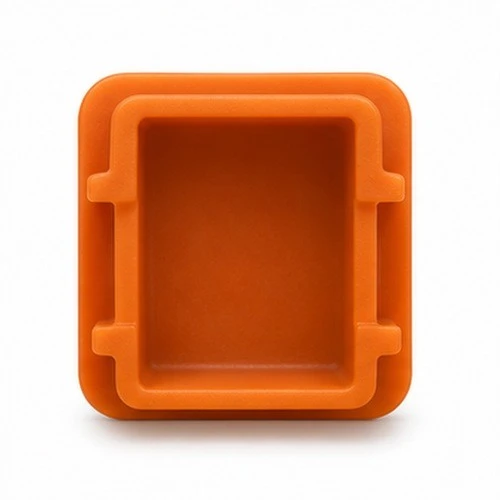
Tianjin SWKS Technology & Development Co.,Ltd is one of the most reliable manufacturers and suppliers of custom pbt battery energy storage system busbar insulation end cap in China. If you're going to buy bulk cheap custom pbt battery energy storage system busbar insulation end cap, welcome to get quotation from our factory. Quality products and low price are available.
Custom PBT Battery Energy Storage System Busbar Insulation End Cap
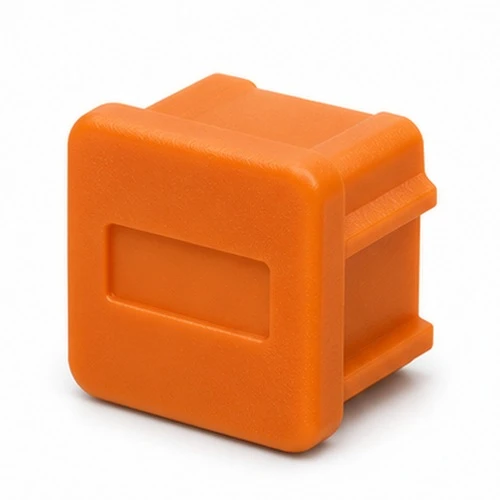
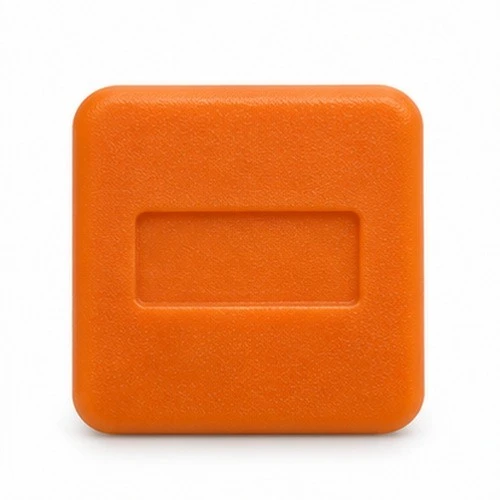
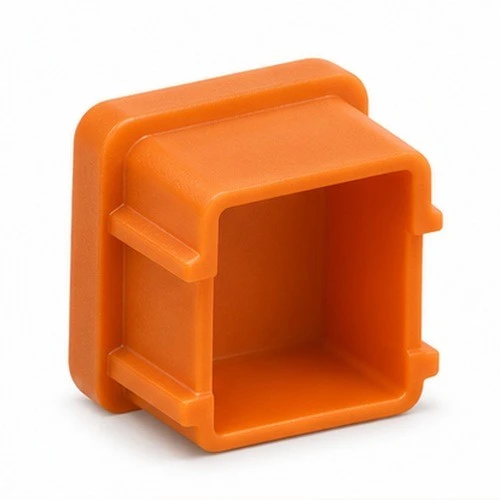
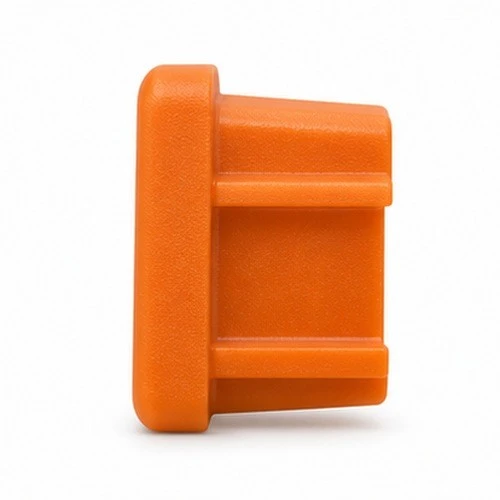
SWKS reviews this molded component from customer drawings for busbar end interfaces in battery energy storage equipment. The images show generated examples of the part and its installation. The supplied configuration follows the approved drawing.
Table of Contents
- Identify the end of the busbar covered by the molding
- Locate the seating shoulder and approved insertion position
- Material specification and the approved project record
- Show the transition and the surrounding hardware
- Dimensional and functional sample review
- What we use to scope a tooling and molding quote
Product specifications
| Material | PBT grade confirmed against project specification |
|---|---|
| Manufacturing process | Custom injection molding |
| Application | Busbar end interfaces in battery energy storage equipment |
| Key design inputs | blind recess, seating shoulder and retention edges |
| Drawing files | STP, STEP or IGS with dimensioned PDF |
| Ordering scope | Project-specific tooling, samples and repeat quantities |
Identify the end of the busbar covered by the molding
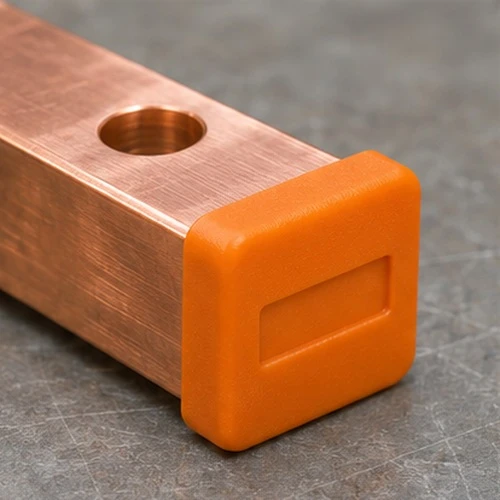
The PBT end cap is quoted for a defined mechanical interface in an energy storage assembly. It fits a busbar end or its surrounding holder as shown on the buyer's drawing. The illustrated cap is an example of a closed shell with a shaped recess. It is useful to provide the busbar section with any bend, edge treatment and coating shown. A straight stock dimension does not describe the form at the installation end if that region also carries a hole, step or fastener. The assembly owner defines insulation and electrical requirements for the finished equipment.
An end cap ordered for a replacement may look similar to another version while having a different recess depth or insertion stop. Mark the busbar part number and indicate which interface sets the installed position. If the cap touches a bracket as it approaches the busbar, include that bracket in the service view.
Locate the seating shoulder and approved insertion position
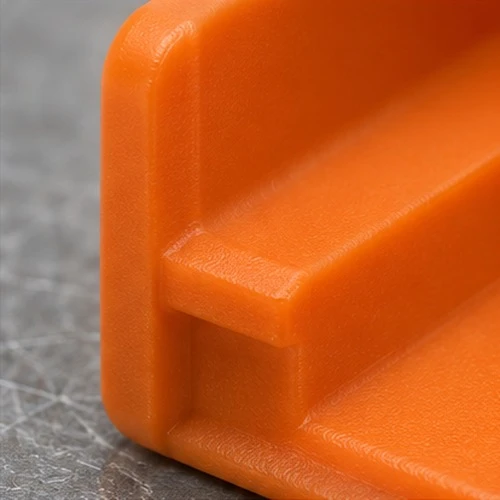
Use an unpowered fixture or an approved representative to compare the bare cap with the installed fit. A front view can show the outline but may hide the stop at the base of the recess. Provide a cross section through the stop, nearby holder and any separate retention feature. If installation uses a prescribed sequence, show the seating position after that sequence and how the operator can see whether the cap has reached it. The fit report can show where an interference begins and whether a nearby housing or mounting bracket is present.
If several busbar models share a similar cap, use the same orientation scheme in the procurement drawing and sample reports. An entirely enclosed end can be difficult to inspect once it is assembled. Determine with the equipment owner which approved check shows the cavity dimensions and which check confirms seated position in the final arrangement.
Material specification and the approved project record
Give the exact PBT grade and any traceability, color or finish requirements before quotation. The applicable electrical, thermal and equipment acceptance criteria come from the purchaser's qualified design. If a new part or grade is being discussed, state the relevant approval steps and provide the documentation requirements with the drawing. The catalog picture is an illustrative geometry example. It supplies no approval for an energized assembly.
An equipment owner may use color or a part number to distinguish versions. Specify the mark and available location if it has a purchasing function. Indicate whether a loose supply item is packed alone or together with other protective parts. For the first-article report name the approved drawing, unpowered fit reference and the receiving identification. Having those details in the RFQ reduces the risk of quoting a different cap for an assembly that looks similar from outside.
In a molding study, the visible opening is easier to inspect than the back wall of a blind recess. Put the hidden stop and any allowable marks on an enlarged drawing view. A buyer may supply a gauge that represents a busbar without using an actual electrical component. If so, indicate which drawing it represents and how it is oriented. A separate model of the gauge can help preserve the installed reference while the coating or outer cover design changes.
Show the transition and the surrounding hardware
When we review blind recess, seating shoulder and retention edges, a local section usually resolves more than another general view. The supplier can follow the walls through their thickness and see which adjacent surfaces limit tool access. Add an assembly section that shows the parts that close over the molding and a view of the unassembled parts next to it. Draw any removable support or inspection fixture independently. An opening can look free in a sectional view and still catch on something at the approach angle. A view from the real assembly direction is a better starting point for a question about access.
The quotation review should name any feature that needs a separate tool operation. An edge that will be measured may need clearance for a gauge probe. Thin projecting geometry can require support during ejection and then protection during shipping. Compare options against the drawing, and walk through what happens after changes are made to a radius or a clip. If the geometry belongs to a piece that is already accepted, attach the same model version to the discussion, including the seat that accepts it and the datum that locates it. A stable interface document also helps determine which change will require another customer review.
Areas of different thickness can be marked on the machining section supplied to the tooling team. A thick junction or wall joining a mounting feature can fill and release differently from a thinner area. The purpose of the tooling study is to identify where these differences may affect the dimensional reading, visual surface or contact function. Leave a space on the tooling proposal for the customer to mark where a witness is allowed and where it would matter to installed fit.
Dimensional and functional sample review
The first-article plan should distinguish a loose dimensional check from a fitted measurement. The sample may be free to move on a bench and constrained by a flat seat, screws or adjacent material after installation. That difference can affect which numbers are useful. Choose the drawing references first, then decide how the measuring equipment will hold or locate the sample. If a functional gauge is available, specify which interface it represents and where insertion or contact is observed. Sketch the gauge setup in the report or use a picture that shows both the part and its datums. The next team looking at the report should be able to repeat the same setup.
For the pilot build use the parts, hardware or approved representations listed in the acceptance plan. Note the condition in which the assembly was observed. If a gap or contact mark appears only after another piece has been tightened or a cover has been closed, record the sequence and the stage at which it first appeared. A photo with a mark near the problem is useful when it includes enough of the assembly to identify the feature. Record the model revision, sample number and mating version on the same page. Follow any specific functional test and approval process that belongs to the equipment owner.
For repeat orders the team may want to compare samples from more than one cavity or molding lot. Agree on how each piece will be identified, where data will be recorded and how a reference sample will be retained. Where dimensions are sensitive to resin conditioning, storage or temperature, include the applicable condition with the measuring instruction. A first-article package can then distinguish a real change in the part from variation due to fixture setup or handling before inspection.
What we use to scope a tooling and molding quote
The review can start with the 3D drawing and an annotated PDF. Attach only the relevant surrounding hardware if the full machine assembly is confidential. Provide the grade and a color or surface reference when available. Where the equipment interface is still changing, give the tooling team the release it should use now and a list of anticipated updates. A quote for samples and another for the anticipated annual demand are easier to compare when they name the same revisions and show how many variants are included. Include any timing dependencies tied to equipment builds or acceptance tests.
Separate requirements for the molding from items the buyer plans to supply. Mating samples, dummy boards, housings or connectors are useful if they can be used as first-article references. Include the planned delivery destination and any additional records required on a shipment. If packing needs to protect a flange or working face, indicate how the part should be presented to the installer and whether it can safely touch another molding in transit. This helps define the first carton before production expands.
List service parts by the version of the equipment they fit. Labels and packing quantities should account for whether parts are issued individually or as a set with other hardware. Alternative resin grades, color changes and new cavity approaches can be discussed when the project defines which fit, material or documentation evidence is required for approval. A drawing package can keep those decisions tied to a part number instead of leaving them in separate correspondence.
See SWKS custom plastic injection molded parts for related drawing-based components.
Request a quotation
Send the applicable drawings, initial quantities and expected annual demand to amanda@tjswks.com for a project review.
Hot Tags: custom pbt battery energy storage system busbar insulation end cap, China, suppliers, manufacturers, factory, bulk, cheap, low price, quotation


