


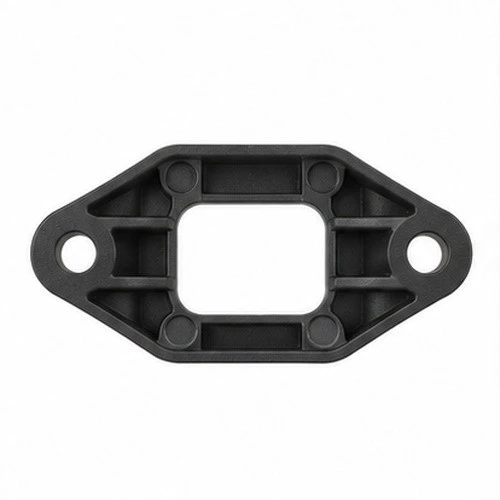
Tianjin SWKS Technology & Development Co.,Ltd is one of the most reliable manufacturers and suppliers of custom pa66 precision agricultural seed sensor mounting insert in China. If you're going to buy bulk cheap custom pa66 precision agricultural seed sensor mounting insert, welcome to get quotation from our factory. Quality products and low price are available.
Custom PA66 Precision Agricultural Seed Sensor Mounting Insert
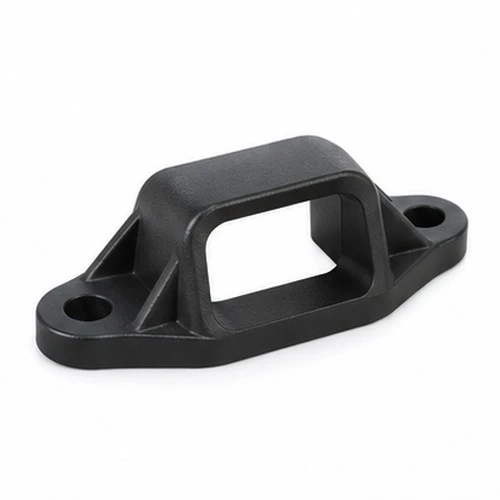
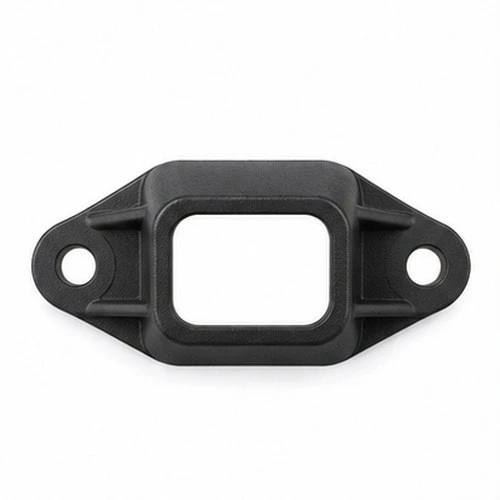
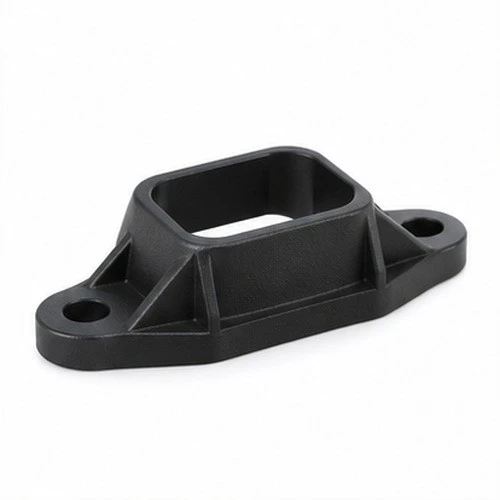
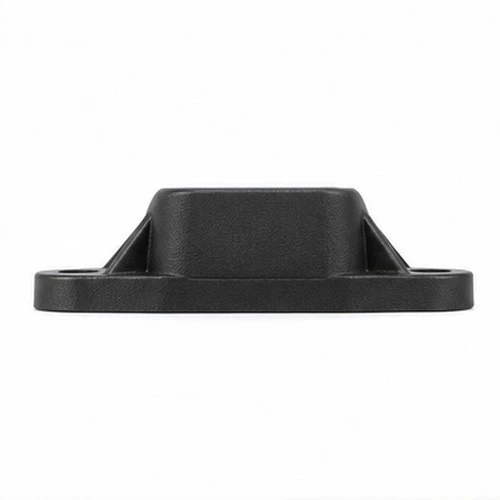
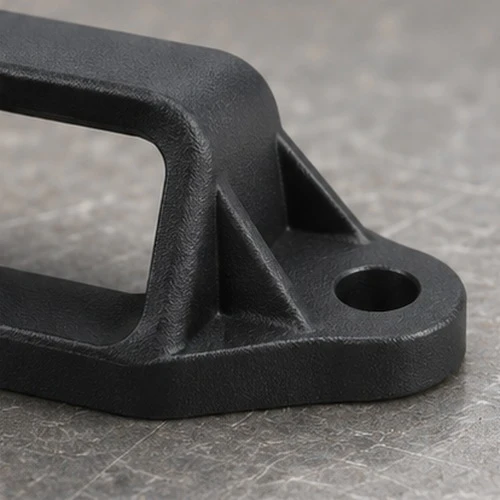
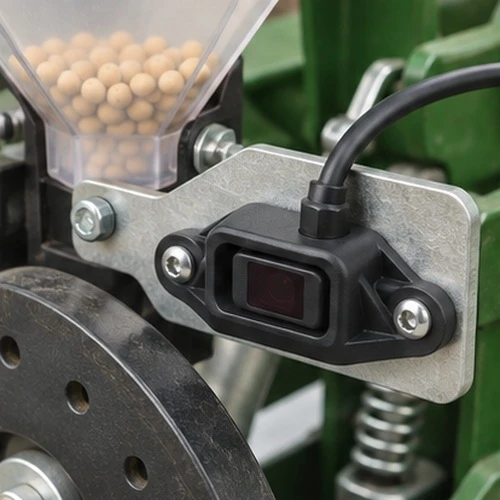
SWKS reviews this molded component from customer drawings for seed sensing hardware in precision planters. The images show generated examples of the part and its installation. The supplied configuration follows the approved drawing.
Table of Contents
- Where the sensor looks through the seed path
- Sensor location during installation and replacement
- PA66 grade and the equipment test record
- Show the transition and the surrounding hardware
- Make each drawing callout testable
- Arrange delivery around the actual build sequence
Product specifications
| Material | PA66 grade confirmed against project specification |
|---|---|
| Manufacturing process | Custom injection molding |
| Application | Seed sensing hardware in precision planters |
| Key design inputs | sensor location, line of sight and locating ears |
| Drawing files | STP, STEP or IGS with dimensioned PDF |
| Ordering scope | Project-specific tooling, samples and repeat quantities |
Where the sensor looks through the seed path
The molded PA66 insert locates a sensor in a particular precision planter assembly. The sensor might be held next to a seed passage or placed in an equipment opening that fixes its viewing direction. Share its outer envelope and the section through the portion of the seed path that the device observes. The sensor and the planter are customer-supplied references, and the equipment owner sets the sensing requirements. A part can fit neatly into an external pocket while letting a shoulder extend into the sensor's required view.
Use the mounting section to identify the sensor's front face, its intended direction and any surrounding feature that must stay clear. If more than one sensor version is approved, show each connector shape and the body references that govern insertion depth.
Sensor location during installation and replacement
On a representative dry bench fixture, check whether seating on the molded surface or another attachment establishes final position. A scope drawing can distinguish a hole that merely gives clearance from a bore that locates the device. It should also identify whether a small locating tab faces the moveable shield or the seed channel. An outline of the insert alone cannot show how an operator reaches the cable after the hopper or a panel is fitted.
Dust and residue can change the maintenance needs of the equipment. Give the planned service and cleaning conditions in the material review and share the area of the insert that is handled during sensor replacement. When a cover is fitted, include its open and closed positions in the assembly sketch if it changes cable access.
PA66 grade and the equipment test record
Confirm the grade, approved conditioning and any requirements for outdoor or seasonal service. The molded part inspection can confirm location, clear access and seating. Detection in the actual equipment depends on the sensor, seed path and owner's test conditions. The buyer can specify the intended fixture, sensor sample and any functional criteria it will evaluate after installing parts.
Send the row unit or seed meter revision, marked sensor position and expected quantities to quote tooling and part cost. Specify which versions are currently used and which are planned for the next build. A sample set with an orientation photo can help preserve identification when several rows in a planter use slightly different sensor configurations.
If the equipment is serviced by exchanging the insert and sensor together, provide its intended removal order. For the first article record the housing and sensor versions and the viewing direction used in inspection. A simple sketch can show how the sensor's cable exits alongside the seed path and how the next bracket relates to the service opening.
A product release may identify a reference template used to align the sensor before the planter leaves assembly. If that template is needed to check the insert, provide its relation to the seed meter and the approved support. A clear first-article note can separate the molding's seating from the equipment team's calibration steps.
A seed meter may have several covers with similar outside shapes. Include an orientation drawing or connector reference for each mounting insert that appears in the parts list. During a fit trial, point to the actual surface that establishes sensor position. Where the sensor looks through an opening, identify the approved sensor and tell the quotation team whether a reference sensor or inert geometry sample can be supplied.
Show the transition and the surrounding hardware
When we review sensor location, line of sight and locating ears, a local section usually resolves more than another general view. The supplier can follow the walls through their thickness and see which adjacent surfaces limit tool access. Add an assembly section that shows the parts that close over the molding and a view of the unassembled parts next to it. Draw any removable support or inspection fixture independently. An opening can look free in a sectional view and still catch on something at the approach angle. A view from the real assembly direction is a better starting point for a question about access.
The quotation review should name any feature that needs a separate tool operation. An edge that will be measured may need clearance for a gauge probe. Thin projecting geometry can require support during ejection and then protection during shipping. Compare options against the drawing, and walk through what happens after changes are made to a radius or a clip. If the geometry belongs to a piece that is already accepted, attach the same model version to the discussion, including the seat that accepts it and the datum that locates it. A stable interface document also helps determine which change will require another customer review.
Areas of different thickness can be marked on the machining section supplied to the tooling team. A thick junction or wall joining a mounting feature can fill and release differently from a thinner area. The purpose of the tooling study is to identify where these differences may affect the dimensional reading, visual surface or contact function. Leave a space on the tooling proposal for the customer to mark where a witness is allowed and where it would matter to installed fit.
Make each drawing callout testable
Read through the surface notes with someone who will actually measure the molded part. A full profile callout can require access the operator does not have after fitting the part to a fixture. An important local gap can go unmeasured because its location is implicit in a section that does not show the final assembly. Decide which faces are measured directly and which are judged by the approved mating equipment or gauge. A pilot can then compare the actual check to the purchase requirement and show which conditions it covers. The findings should travel with the revision and the sample identifiers.
For sensor location, line of sight and locating ears, use drawing labels the parties can match across inspection images and the CAD assembly. At an early tryout identify the views in which these features are visible. If an interface will be covered after the next piece is installed, record it while that interface is exposed. An assembled photograph is still valuable for showing final position. Pairing the two views helps explain whether a concern appeared while seating the molding or when a second piece was fitted. It also gives a technician a clearer starting point if the next sample has to be checked several weeks later.
If an OEM changes the mating version, begin by noting which references or acceptance criteria changed. Keep inspection results with the fixture and not only with the manufacturing batch, so the team can tell whether two trials describe the same installed condition. Agree who signs off the sample and what happens if an unanticipated revision appears during pilot production.
Arrange delivery around the actual build sequence
An OEM RFQ is easier to turn into an order when it follows the development milestones. Include where each group of samples will go, whether first articles are measured before delivery and how quickly the customer can return decisions. Give the anticipated annual demand, the equipment version and how the part is installed. A package containing only a piece count can make it hard to distinguish pilot samples from released production. A separate quantity table can define what belongs to each stage and identify related items that the customer will provide.
A sample that goes into an assembly at the customer's site may need to be identifiable one at a time. Ask whether the receiving team will track cavities, dates or resin lots. If there are geometry versions with a common appearance, provide a viewing reference for the labels and pack them separately where appropriate. Follow the specified handling and appearance requirements. In particular, define where two parts can touch each other in the carton and how the operator will grasp a part by a noncritical face. This can reduce marks on surfaces that will be inspected after unpacking.
If a replacement is ordered before the next equipment build, match it to the existing hardware by part number and revision. Include any approved differences in finish or dimension, and note whether drawings or mating pieces will be returned after the review. The quote can then set out tooling, sample measurements and production terms against the same receiving expectations.
See SWKS custom plastic injection molded parts for related drawing-based components.
Request a quotation
Send the applicable drawings, initial quantities and expected annual demand to amanda@tjswks.com for a project review.
Hot Tags: custom pa66 precision agricultural seed sensor mounting insert, China, suppliers, manufacturers, factory, bulk, cheap, low price, quotation


