


Tianjin SWKS Technology & Development Co.,Ltd is one of the most reliable manufacturers and suppliers of custom pbt industrial high voltage connector secondary terminal lock in China. If you're going to buy bulk cheap custom pbt industrial high voltage connector secondary terminal lock, welcome to get quotation from our factory. Quality products and low price are available.
Custom PBT Industrial High Voltage Connector Secondary Terminal Lock
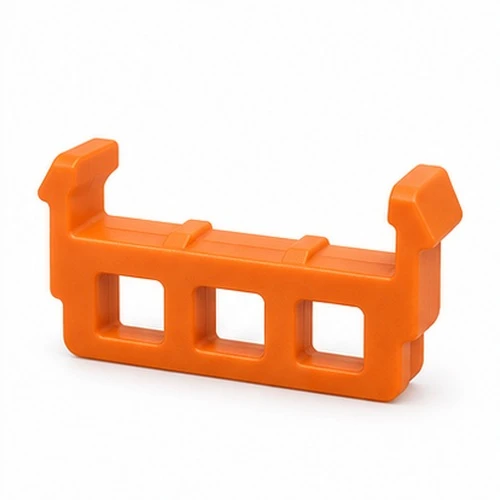
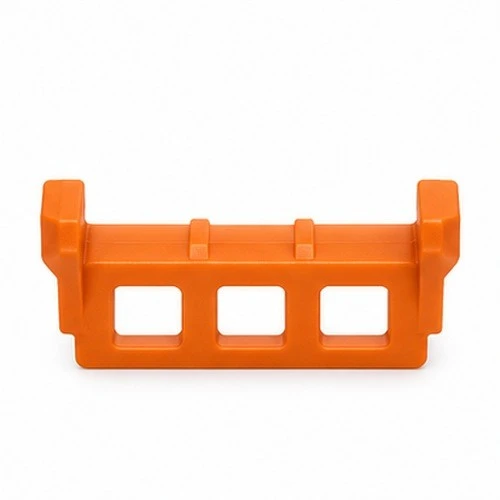
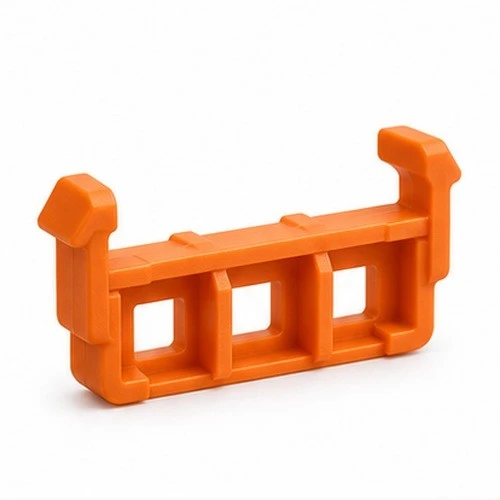
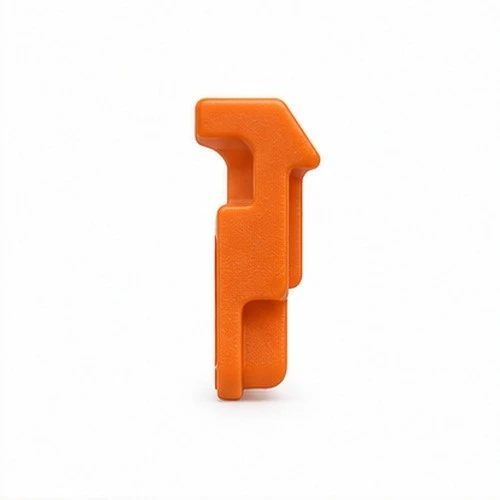
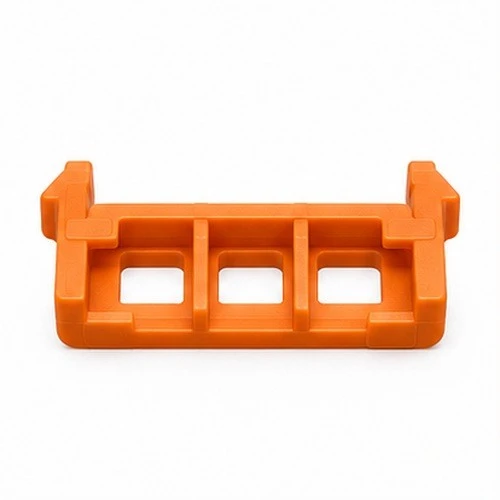
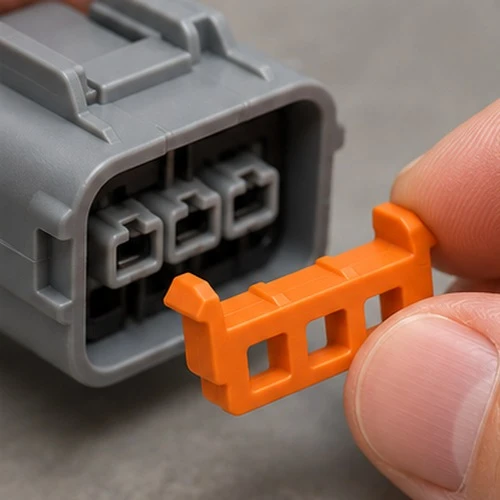
SWKS reviews this molded component from customer drawings for secondary retention in industrial connector assemblies. The images show generated examples of the part and its installation. The supplied configuration follows the approved drawing.
Table of Contents
- Which terminal feature the secondary lock retains
- Read the lock and the terminal state together
- PBT grade and version release
- From models and prototypes to a released component
- Dimensional and functional sample review
- Arrange delivery around the actual build sequence
Product specifications
| Material | PBT grade confirmed against project specification |
|---|---|
| Manufacturing process | Custom injection molding |
| Application | Secondary retention in industrial connector assemblies |
| Key design inputs | pre-lock and final lock positions, key and terminal windows |
| Drawing files | STP, STEP or IGS with dimensioned PDF |
| Ordering scope | Project-specific tooling, samples and repeat quantities |
Which terminal feature the secondary lock retains
A secondary terminal lock is a molded part within a connector assembly. Its shape engages or checks the position of the terminals as specified by the equipment designer. The illustration shows a compact orange insert, but the exact key, terminal positions and travel come from the approved connector design. Provide the housing, terminal and lock drawings together. A loose molded frame does not establish retention, electrical performance or approval for the completed connector. The system owner sets and validates those requirements.
On some assemblies, the lock is first delivered in an intermediate position and then moves to a final position later. Identify both intended positions on the drawing and tell the supplier which reference features should be visible during inspection. Include the correct viewing axis when a front and rear view could be confused.
Read the lock and the terminal state together
Check the approved mechanical fit in a disconnected connector fixture using the authorized terminals or inert representatives. An aperture that aligns with an empty cavity can meet a terminal shoulder once the wire assembly is present. A section through the key and the cavity helps separate contact at the housing from contact at the retained terminal. The equipment owner should provide the qualification and acceptance methods for the connector. A sample molding check can record the dimensional behavior and whether it reaches the relevant position under the approved mechanical procedure.
Where one connector uses several lock variants, give a row or window map to show how those shapes differ. Reference the corresponding terminal and housing revision, especially when a small key change distinguishes parts that are otherwise similar. Mark the position used to check the latch or stop.
PBT grade and version release
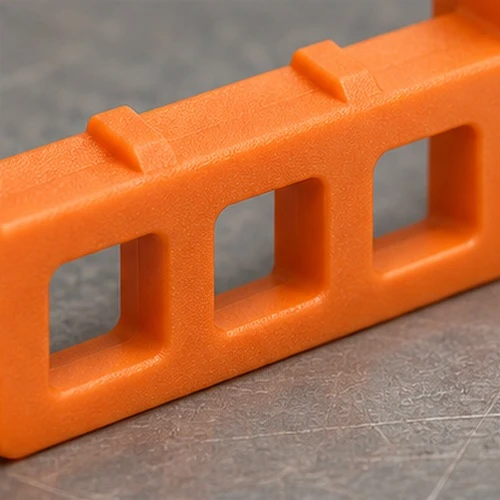
The quote should name the exact PBT grade, approved color and applicable material or traceability documentation. If an electrical, thermal or environmental test is needed for release, supply the equipment owner's requirements and the responsible approval process. An illustrative part photograph is intended to support geometry discussion. Approval for a high-voltage connector depends on the confirmed design, material and qualification of the whole assembly.
In the RFQ attach a local section through the lock travel, the terminal layout and the released housing. Provide sample quantities and expected repeat orders. If material color is used to identify configurations, provide an approved reference or color callout and indicate where identification is inspected.
For a first-article report, specify which mechanical conditions help distinguish pre-lock from final lock and which drawing view can verify the shape of the key. If the owner evaluates retention independently, keep the molded part inspection associated with its geometry and revision so the results can be compared to the correct connector trial.
If similar terminal locks are supplied together, identify their part numbers on the order and pack in groups that match the receiving flow. The assembler should be able to compare the part to a controlled orientation view. Include the related terminal size or assembly identifier on the project record if that is how the equipment distinguishes released variants.
From models and prototypes to a released component
A prototype can be built from stock with extra material to hold it while it is being made. Early tests may still give a good answer about position and access. When the drawing is prepared for injection molding, the team has to decide which of those features were only there to make the prototype and which were chosen for the installed equipment. A pocket or screw head relief can form part of a necessary clearance while solid material around it may have been useful in machining only. Take the prototype, part section and relevant assembly views into the review together. A sketch identifying pre-lock and final lock positions, key and terminal windows can point to the features that preserve fit during a geometry change.
It is useful to know which project phase the initial order supports. A fit sample for ten assemblies and repeat parts for several variants lead to different decisions about how to identify parts, when to finish the mold texture and what to include on the report. Set aside a copy of the part drawing used before the prototype changes. Mark the areas that can return to engineering discussion during the mold study. If agreement requires a mating piece, identify who supplies it, how it should be handled and when it must be available.
The equipment model for secondary retention in industrial connector assemblies may contain much more than the molding supplier needs. A local exported file with covers, fasteners and surrounding reference faces can preserve context and reduce the need to describe the assembled fit in email. Indicate whether the files are design data for review or signed release data for manufacture.
Dimensional and functional sample review
The first-article plan should distinguish a loose dimensional check from a fitted measurement. The sample may be free to move on a bench and constrained by a flat seat, screws or adjacent material after installation. That difference can affect which numbers are useful. Choose the drawing references first, then decide how the measuring equipment will hold or locate the sample. If a functional gauge is available, specify which interface it represents and where insertion or contact is observed. Sketch the gauge setup in the report or use a picture that shows both the part and its datums. The next team looking at the report should be able to repeat the same setup.
For the pilot build use the parts, hardware or approved representations listed in the acceptance plan. Note the condition in which the assembly was observed. If a gap or contact mark appears only after another piece has been tightened or a cover has been closed, record the sequence and the stage at which it first appeared. A photo with a mark near the problem is useful when it includes enough of the assembly to identify the feature. Record the model revision, sample number and mating version on the same page. Follow any specific functional test and approval process that belongs to the equipment owner.
For repeat orders the team may want to compare samples from more than one cavity or molding lot. Agree on how each piece will be identified, where data will be recorded and how a reference sample will be retained. Where dimensions are sensitive to resin conditioning, storage or temperature, include the applicable condition with the measuring instruction. A first-article package can then distinguish a real change in the part from variation due to fixture setup or handling before inspection.
Arrange delivery around the actual build sequence
An OEM RFQ is easier to turn into an order when it follows the development milestones. Include where each group of samples will go, whether first articles are measured before delivery and how quickly the customer can return decisions. Give the anticipated annual demand, the equipment version and how the part is installed. A package containing only a piece count can make it hard to distinguish pilot samples from released production. A separate quantity table can define what belongs to each stage and identify related items that the customer will provide.
A sample that goes into an assembly at the customer's site may need to be identifiable one at a time. Ask whether the receiving team will track cavities, dates or resin lots. If there are geometry versions with a common appearance, provide a viewing reference for the labels and pack them separately where appropriate. Follow the specified handling and appearance requirements. In particular, define where two parts can touch each other in the carton and how the operator will grasp a part by a noncritical face. This can reduce marks on surfaces that will be inspected after unpacking.
If a replacement is ordered before the next equipment build, match it to the existing hardware by part number and revision. Include any approved differences in finish or dimension, and note whether drawings or mating pieces will be returned after the review. The quote can then set out tooling, sample measurements and production terms against the same receiving expectations.
See SWKS custom plastic injection molded parts for related drawing-based components.
Request a quotation
Send the applicable drawings, initial quantities and expected annual demand to amanda@tjswks.com for a project review.
Hot Tags: custom pbt industrial high voltage connector secondary terminal lock, China, suppliers, manufacturers, factory, bulk, cheap, low price, quotation


