


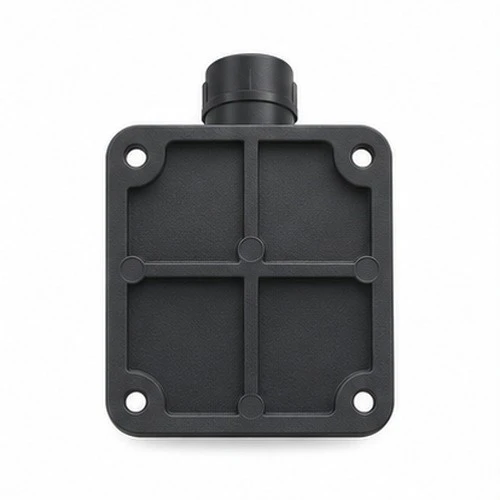
Tianjin SWKS Technology & Development Co.,Ltd is one of the most reliable manufacturers and suppliers of custom abs battery energy storage fire detection sensor housing in China. If you're going to buy bulk cheap custom abs battery energy storage fire detection sensor housing, welcome to get quotation from our factory. Quality products and low price are available.
Custom ABS Battery Energy Storage Fire Detection Sensor Housing
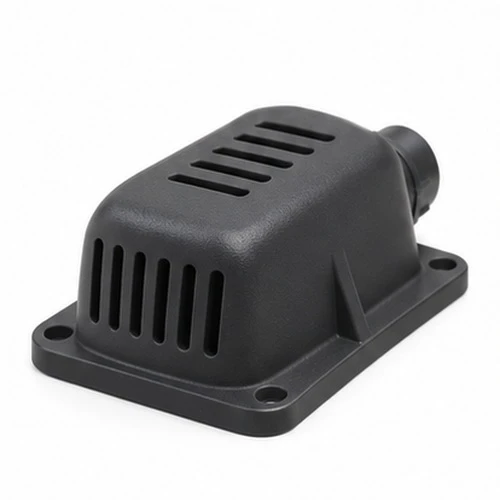
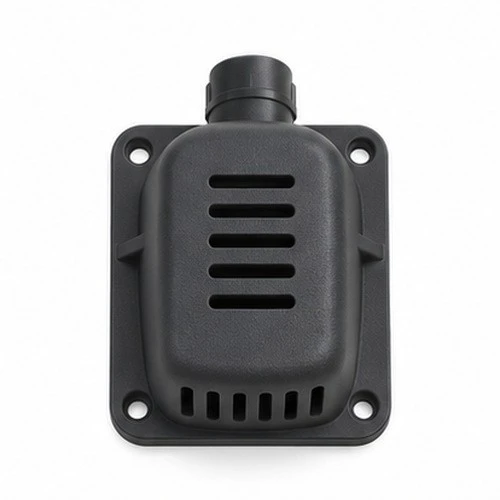
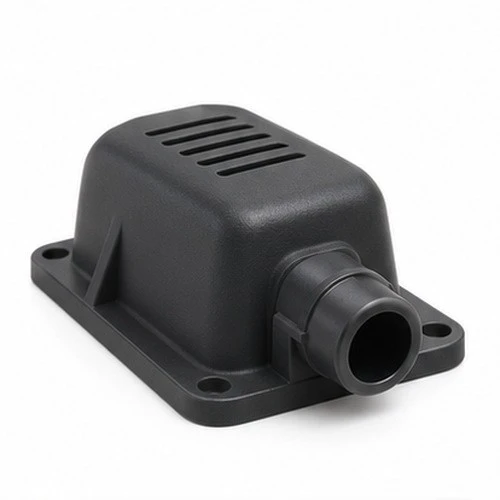
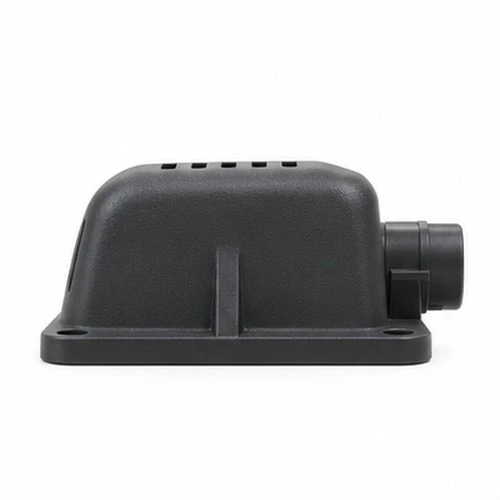
SWKS reviews this molded component from customer drawings for detector housing integration in battery energy storage enclosures. The images show generated examples of the part and its installation. The supplied configuration follows the approved drawing.
Table of Contents
- The housing is a mechanical part within a detector installation
- Fixture references and access in the enclosure
- Specify grade and visual inspection on the quote
- Parts inventory for an enclosure sample
- What the service view should include
- Surface definition without changing the detector design
- What to send with the quotation request
Product specifications
| Material | ABS grade confirmed against project specification |
|---|---|
| Manufacturing process | Custom injection molding |
| Application | Detector housing integration in battery energy storage enclosures |
| Key design inputs | sensor position, opening pattern and enclosure mount |
| Drawing files | STP, STEP or IGS with dimensioned PDF |
| Ordering scope | Project-specific tooling, samples and repeat quantities |
The housing is a mechanical part within a detector installation
The custom ABS shell is quoted as a housing made from a customer drawing. Its outline can provide mounting and access around the detector selected by the equipment owner. A vented shell on a workbench does not represent the detector response in an installed energy storage enclosure. Any applicable detector approvals, material requirements and system performance criteria should be defined in the buyer's released specification. The example images depict an unpowered representative shell and panel.
Give the item list for the housing, lid or inserts supplied, and identify the detector components supplied by the equipment owner. Mark the drawing area that carries an opening, flange or cable connection. If two detector options use the same case outline, provide the appropriate mounting and connector layouts for each.
When a purchaser supplies a detector as a mechanical reference, attach a reference designation and note whether the electronics are excluded from the sample fit. A separate assembly model may show a bracket that the supplier is not expected to provide. Listing the split between housing and customer components clarifies the quantity and drawing scope for the mold quotation. A controlled product image can be used to explain the seam or the adapter position without representing an approved detector.
Fixture references and access in the enclosure
A loose housing may allow a board to be installed easily and become more difficult to reach with wiring and adjacent modules present. Provide the intended assembly order and a view from the service side. An opening can be partly overlapped by an adjacent panel once the shell sits on the fixture. An unpowered representative fit check should use the approved enclosure and a suitable mechanical representation of the detector. These observations can document position, access and the interfaces that remain visible after assembly.
Identify what is checked on the molding and what is checked during system approval. A housing can be inspected for a clear opening as defined on the print and for its installed position. The completed detection installation is evaluated under the owner's approval procedures, with the electronic and system components selected for the project.
Specify grade and visual inspection on the quote
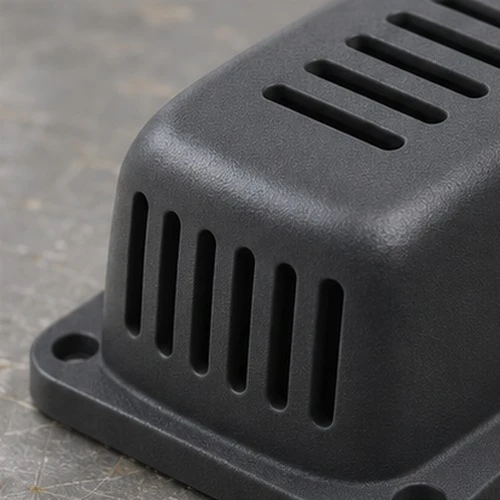
ABS is the named material family for the housing concept. The buyer should release the exact grade and relevant application or appearance requirements, including material traceability and any mandatory documentation. The finish reference and appropriate handling conditions can be included. The illustration shows one shell geometry for discussion. It does not establish a qualification for a fire detection or battery safety system.
For development or repeat work, give the drawing revision, approved fit reference, required trial quantity and expected repeat quantities. Describe the mounting side and cable direction using a view that will be understandable after the housing is removed from its packaging. Include a photo if required to show the visual relationship to the mounting panel. Keep part names separate when housings appear similar but are used with different versions of the detector.
If the agreed grade or supplier changes, tie the revised material callout to the project revision and the approval history. This is especially useful when the housing is used in several equipment families. A part name alone can remain constant even after a change to the enclosure or the detector. An RFQ can stay specific by naming the exact drawing, material callout and the owner's review steps for release.
Parts inventory for an enclosure sample
A housing quotation can cover one shell or a small assembly. To see which is being requested, set the drawing for the front molding next to the bill of materials. One version might show a rear bracket and protective insert because both are needed to understand where the shell sits on the equipment. They may already be in the customer's supply chain. Show the boundaries of the part being ordered in one view and give the rest of the assembly as reference. Naming the shell and bracket separately avoids confusion when the same outer housing is used with two equipment layouts.
When a physical model is supplied, label whether it is an appearance sample or a hardware reference. An inert fit reference may be made with the dimensions of the detector but omit the electronics. The coated or finished surface of a factory trial might be supplied separately to show appearance. Passing those two items through receiving as if they were identical can cause the appearance judgment to be made on the wrong sample. Add a reference number and a short statement of purpose to each item.
Ask what each mechanical feature does before the tooling proposal is released. A boss may be used to locate the detector, support a cover or attach a bracket to an enclosure. A rear opening can leave room for an already selected cable gland or allow a harness to exit in a certain direction. The reviewed drawing should make those roles visible. A tooling discussion can then follow the geometry near a boss or lip without having to assume which items will be checked on the final assembly.
What the service view should include
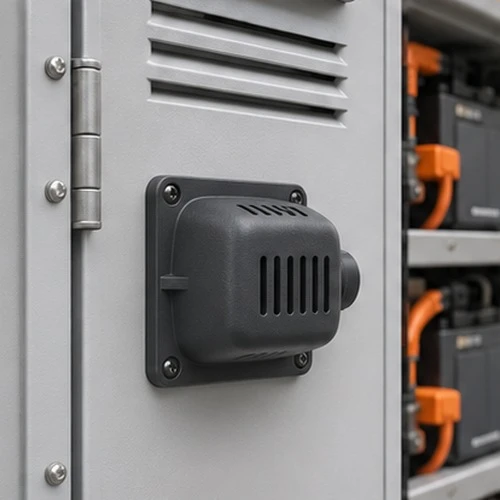
Start at the access panel and work toward the location of the molded housing. A technician can reach a loose shell from either side on the workbench. In the enclosure, access may depend on the door swing, the side toward the rack rail and the hardware around the connector. A service drawing is most useful when it shows the approved cover position and what else has already been assembled. Keeping the enclosure outline in one picture also helps distinguish the installation check from any opening judgment on a loose part.
Some variants are mounted horizontally while others use a sidewall. Even if the same shell geometry is retained, document the designated support and the direction in which the harness exits. A tester who sees a cable opening in the right place but fits the housing in the wrong orientation may report an issue that is difficult to reproduce. A view marked with the normal equipment direction and the mating panel identifier can prevent that mix-up. The wiring layout and method of service belong to the equipment designer.
If the shell is replaced in the field, the supplier can review where a tool can reach the fasteners and which molded faces are allowed to touch neighboring parts during removal. Those points should be visible on the customer drawing. Field qualification, servicing instructions and the conditions under which the enclosure is opened remain with the equipment owner. The mechanical check provides a record of the shell fit in the approved reference condition.
Surface definition without changing the detector design
Different areas of a housing may be handled in different ways. A user-facing cover can have a smooth region for an identification label. A recessed attachment face is usually evaluated only when the part is loose. An opening in a wall might be judged by its size and shape on the drawing. During mold review, specify what can be visible on those areas once the housing is assembled. A graphic on an engineering print can give more information than a general instruction to avoid marks. It can also help inspection identify the correct outer surface when the housing is handed.
Resin, molded texture and any customer marking should be reviewed with the part drawing. Identify which of the materials and finishes are already released and how the owner evaluates a change. If a revised cover is proposed, keep its front and back drawings together. A view of the outer case from one side may omit the revision to an internal seat. That seat may be more important to the equipment build than the change to the appearance reference.
A fit report can include a photograph showing the seat, shell and mating fixture together. For finish approval, use the reference and inspection conditions approved by the customer. The material record can state grade, lot and project part number to the extent the contract requires. These items complement the equipment owner's separate system release process.
What to send with the quotation request
Send the current CAD model and a dimensioned drawing of the molding. Add the mechanical assembly section showing the detector outline, housing mount, any cover, wiring envelope and required access. Include the released specification for the ABS grade, finish and any documentation to be supplied. Give the sample quantity, estimated annual volume and expected receiving location. If a physical sample can be sent, state whether it represents new production, an earlier prototype or a previously installed housing.
Two orders with apparently similar housing descriptions can involve different project requirements. One could require only loose sample measurement and the other require a first build on the buyer's fixture. Tell the quoting team who supplies that fixture and which revision should be assembled. Separately identify any information required for later customer qualification. When there is a target date for sample review, add it alongside the quantity and drawing version so the quotation can describe both timing and inspection scope.
Before release, review how the sample box will be identified and which records should travel with it. A small flange or locator can be protected in packing if the receiving specification calls for it. Mark which products in the order share a box and which need distinct labels. The first sample, quote and purchase drawing can then all point to the same housing configuration and the correct evidence for the mechanical fit review.
See SWKS custom plastic injection molded parts for related drawing-based components.
Request a quotation
Send the applicable drawings, initial quantities and expected annual demand to amanda@tjswks.com for a project review.
Hot Tags: custom abs battery energy storage fire detection sensor housing, China, suppliers, manufacturers, factory, bulk, cheap, low price, quotation


