


Tianjin SWKS Technology & Development Co.,Ltd is one of the most reliable manufacturers and suppliers of custom plastic potato planter seed cups in China. If you're going to buy bulk cheap custom plastic potato planter seed cups, welcome to get quotation from our factory. Quality products and low price are available.
Custom Plastic Potato Planter Seed Cups
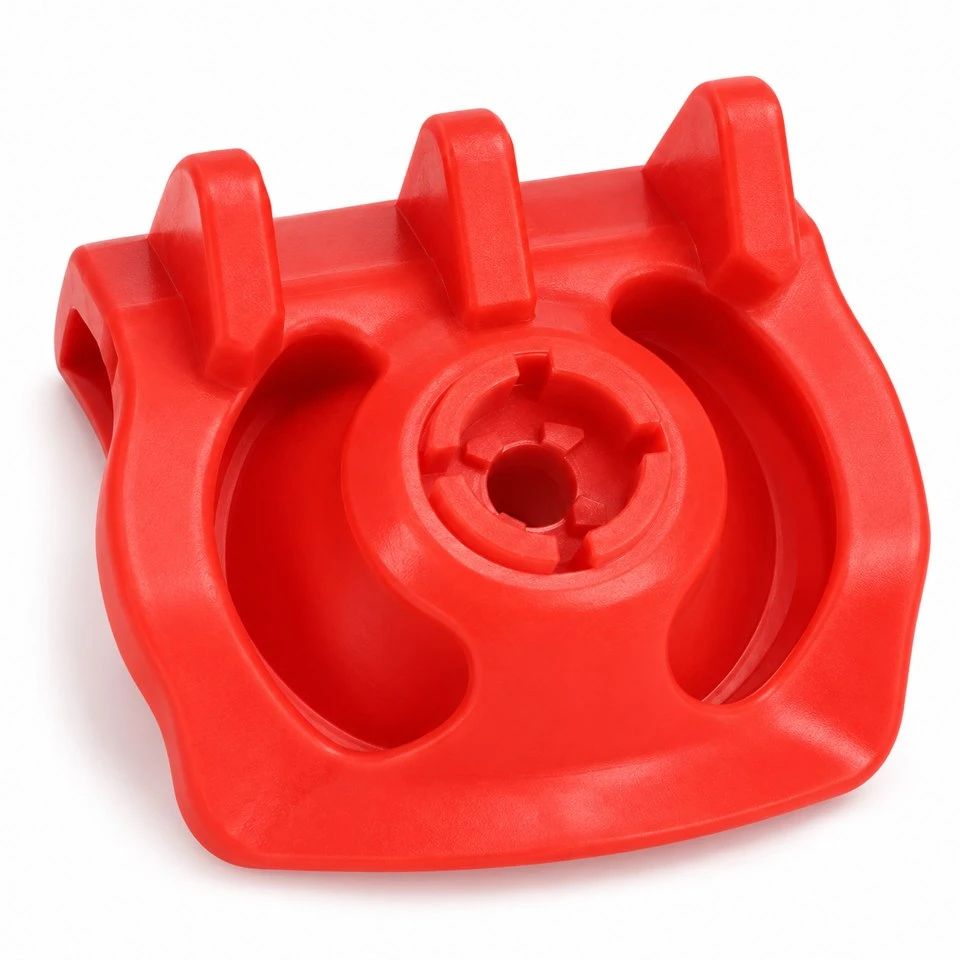
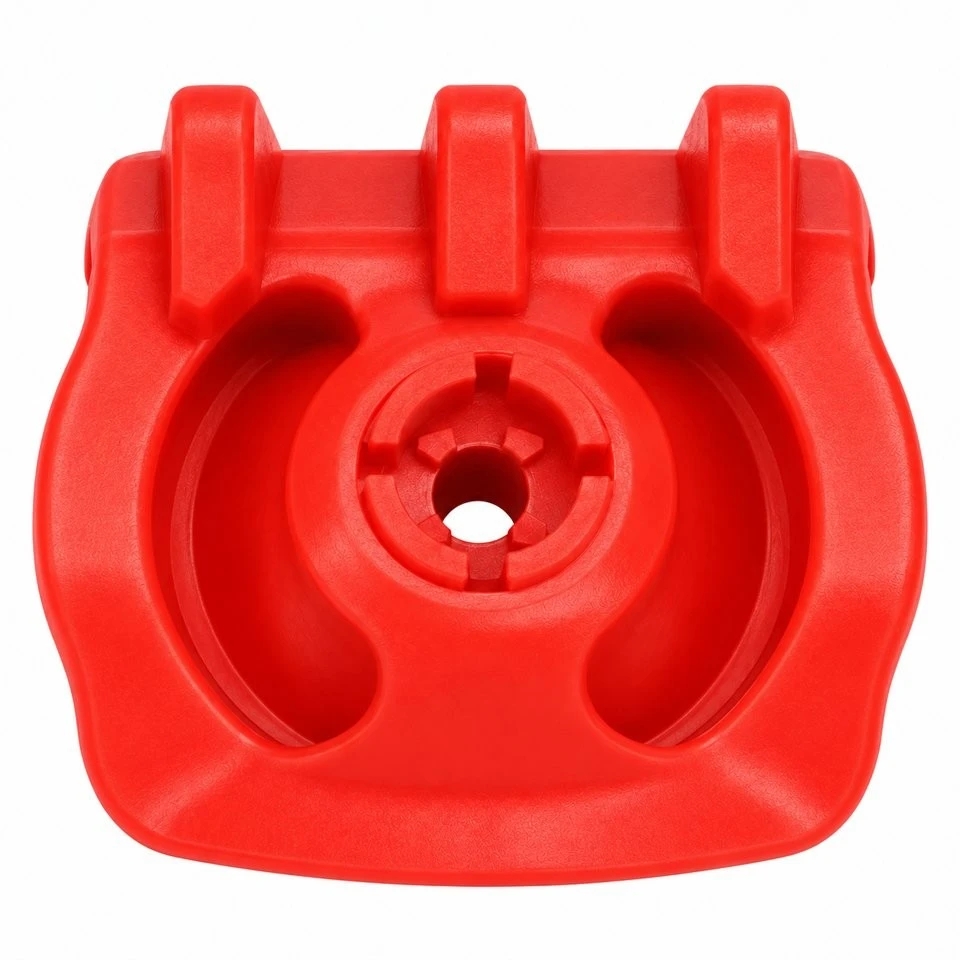
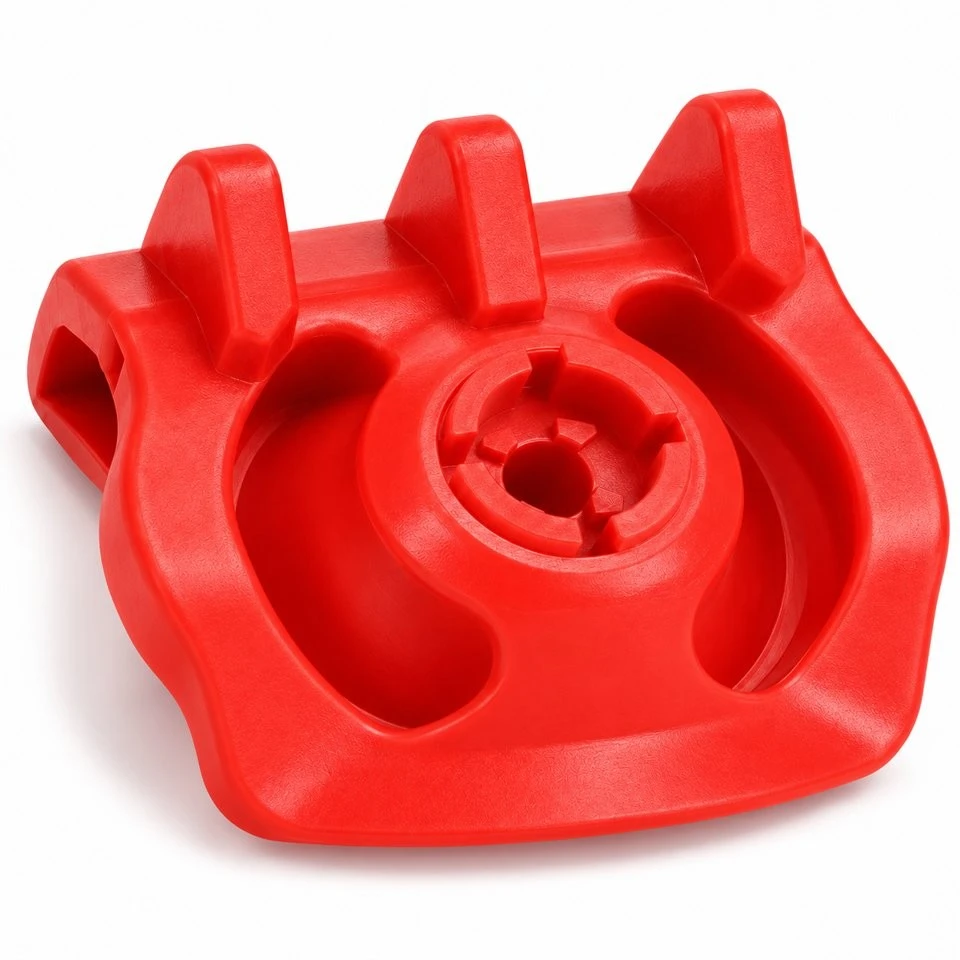
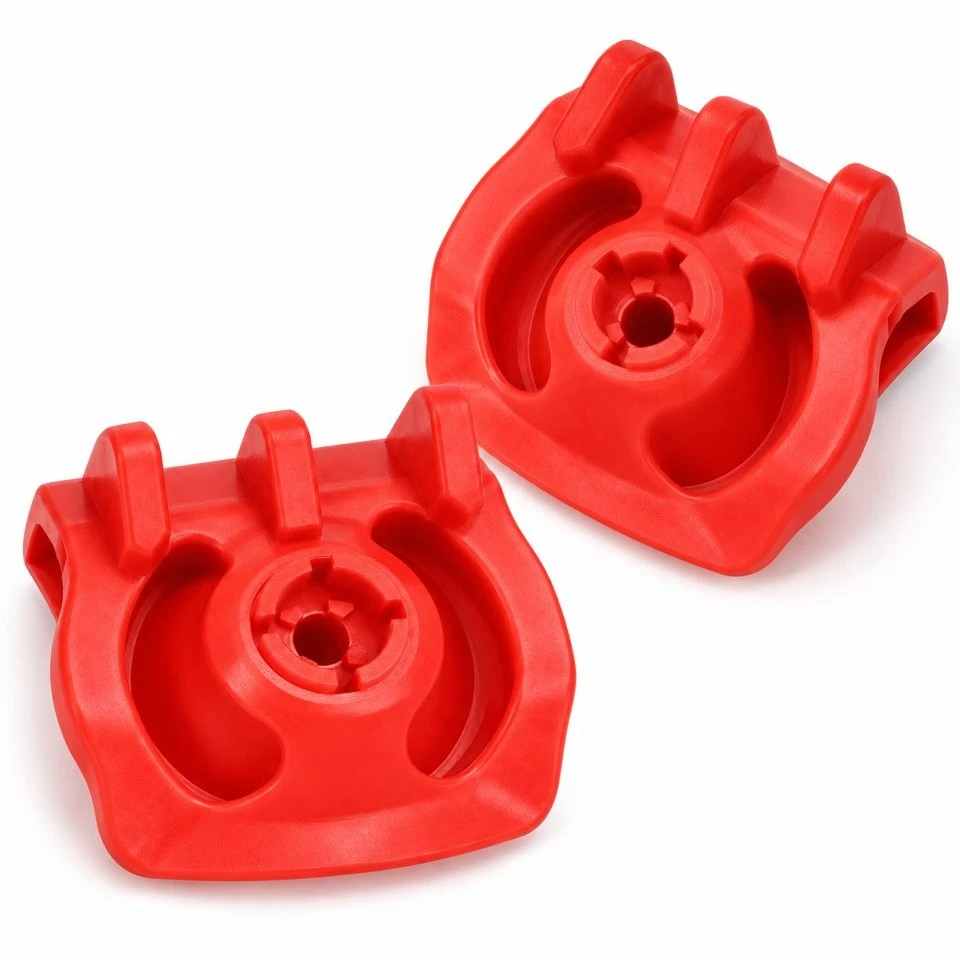
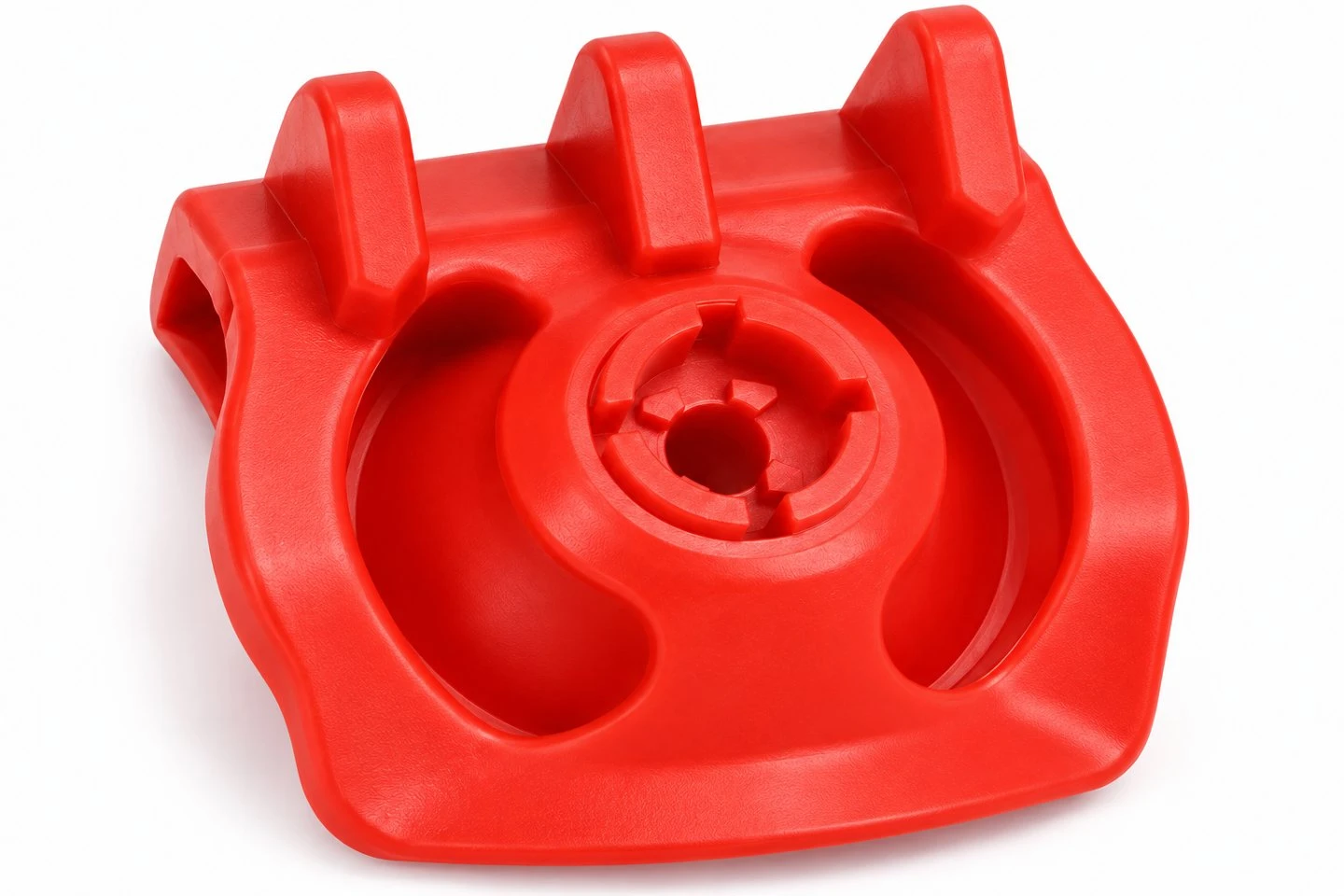
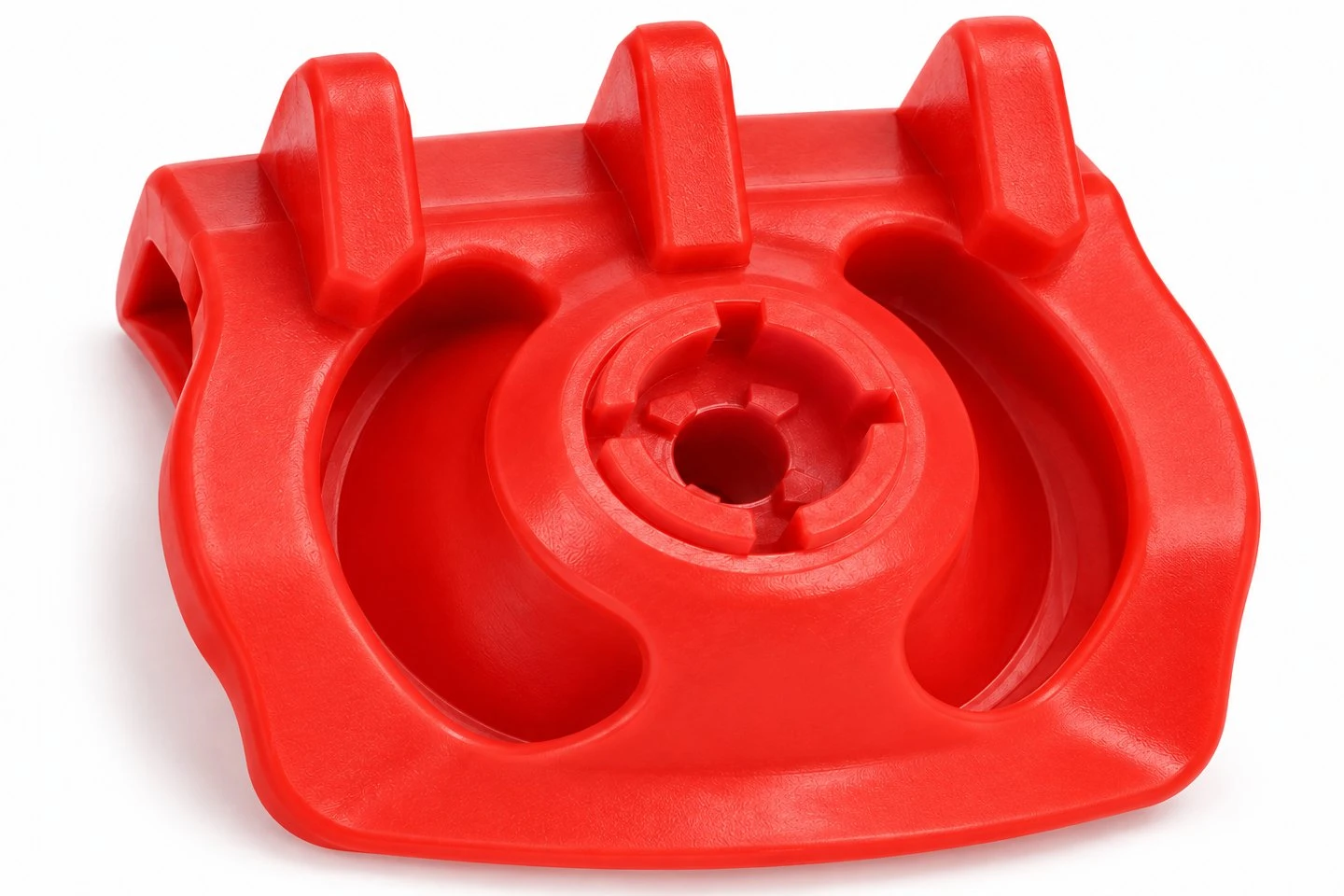
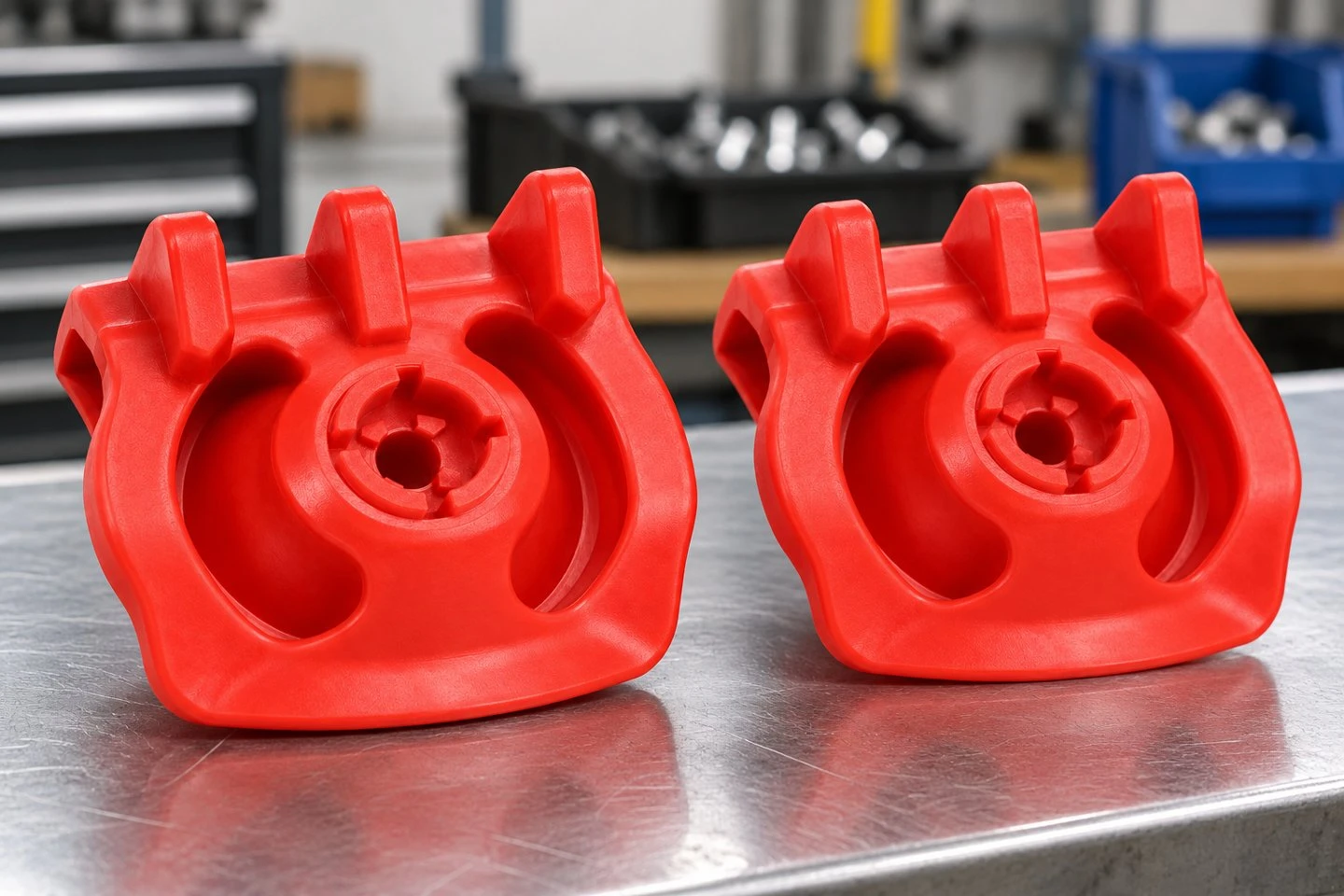
A potato planter seed cup must work with the seed material and the machine mechanism at the same time. Our custom plastic potato planter seed cups are developed from customer drawings or samples, with the cup profile, mounting interface and surrounding clearances matched to the intended planting assembly. The red component shown has a shaped cradle, a central mounting feature, curved relief areas and raised ribs along one edge. These details can be reviewed as part of a new design or a replacement-component project.
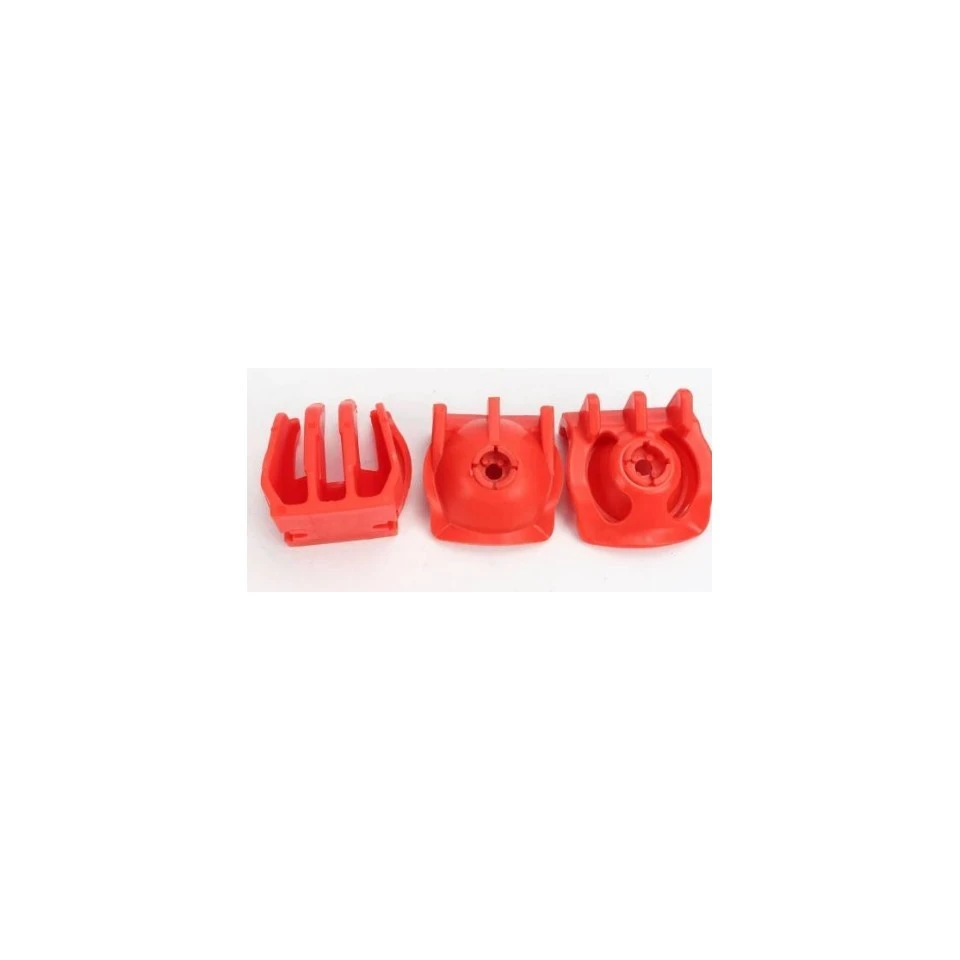
We focus on the molded plastic component rather than supplying a complete planter or promising compatibility with an unidentified machine. The illustrations follow the supplied reference style and show the component from different directions. Exact dimensions and the polymer grade have not been provided, so they are confirmed through the project information. Red is the reference appearance, with other colors available for discussion against an agreed sample or color standard.
How does the seed cup relate to the planter mechanism?
Start with the machine arrangement that carries the cup. Provide a drawing or clear assembly photographs showing the cup's mounting position, movement path and nearby guides. Identify the direction of travel and where the seed potato enters and leaves the cup. These relationships help define the functional surfaces and distinguish the seed-contact profile from the features that attach the component to the mechanism.
For replacement work, include the machine model, the existing part identification if available and a representative sample. The model name is useful background, but fit still needs confirmation against the actual interface. If the equipment has been modified, explain the change. A replacement cup should be reviewed against the current assembly rather than an assumption that every machine carrying the same name uses identical mounting details.
What information is needed about the seed potatoes?
The cup profile should be discussed together with the seed material used in the planter. Tell us whether the machine handles whole tubers, cut seed pieces or both. Provide the expected size range and explain any variation in shape that affects pickup or release. Representative seed samples or clear photographs can support the discussion, while the final acceptance method should use the conditions agreed for the project.
A cup that appears suitable for one seed size may behave differently when the seed mix changes. If several grades are planted, identify whether one cup is expected to cover them all or whether different versions will be used. We do not assign a seed-size range from the reference photo. The intended range and any changeover arrangement should be established with the buyer and evaluated on the appropriate planter mechanism.
Which dimensions control attachment to the machine?
The central opening and its surrounding boss are important features in the illustrated component. Provide the bore profile, engagement depth, locating faces and any mating pin, shaft or fastener details. Where the opening contains a key or other orientation feature, show its position relative to the cup. A round-looking feature in a photograph is not enough to define the complete mounting connection.
Also identify the back face or support surface that contacts the carrier. Include any hooks, slots or ribs that help locate the part, together with their relationship to the central opening. If the cup must be installed in only one orientation, mark that direction on the drawing. The inspection plan can then check the features that actually control installation instead of treating the outer outline as the only relevant dimension.
How can the cradle and raised edge features be customized?
The shaped cradle, curved relief areas and raised ribs are reviewed as a complete seed-contact geometry. Their dimensions should reflect the intended seed range and the movement of the cup through the machine. Show where contact is expected, where clearance is needed and whether another part passes near the raised edge. A small change to a rib can affect access or movement even when the mounting bore is unchanged.
For a redesign, explain the behavior you want to improve rather than requesting a shape change without context. Useful observations may include where a seed piece remains in contact, where debris gathers or where the cup encounters another component. The revised profile should be evaluated under a defined trial. A different appearance alone is not evidence of improved planting performance.
What must be checked along the full movement path?
Clearance review should cover the complete travel of the installed cup. Provide the positions where it approaches guides, brushes, neighboring cups or other machine features. If the carrier changes direction, show that portion of the path as well. A component can fit its attachment point while still contacting another part elsewhere in the cycle, so the mounting view alone is not sufficient for a new geometry.
Include the installation and removal sequence, especially when access is limited inside the planter. State which tools are used and which machine parts are removed during service. If the cup is a replaceable wear item, easy identification and repeatable positioning may be important to the maintenance process. These requirements should be built into the agreed design and checking method rather than inferred from the loose component.
How should the polymer be chosen for an agricultural cup?
The supplied photo does not identify the resin. PP, nylon, POM, ABS or another plastic can be considered according to the customer's specification and application requirements. If the original part uses a known grade, send that designation. If the grade is unknown, a physical sample and available material records can help define what still needs confirmation. Color is an appearance reference rather than a material identification method.
Describe the conditions experienced during planting, cleaning, storage and transport. Relevant inputs include temperature exposure, outdoor storage, named cleaning or treatment products and contact with abrasive dirt. Where a material document or special test is required, identify it before quotation. A broad polymer name should not be used as a substitute for the grade and verification needed for the intended application.
What should an injection molding review address?
For custom injection plastic parts, the manufacturing review links the cup geometry with the proposed tool. The cradle, boss, ribs and attachment features need to be checked together so the mold can form and release the component as intended. Provide the current model and mark the surfaces that must remain unchanged for fit or seed contact. Any proposed modification should be approved before tooling is finalized.
Gate location, parting features and ejector contact should be considered in relation to the working surfaces. Identify areas where a mark or residual material could interfere with mounting, contact with seed or routine handling. The agreed finishing standard should state how those regions are inspected. Tooling scope, sample arrangements and any secondary work belong in the quotation rather than being assumed from a clean product illustration.
How can the condition of a worn sample be interpreted?
An existing cup can reveal the installation layout, but wear may change its original shape. Tell us which surfaces have worn, whether any prongs are damaged and whether the mounting opening has become loose. If possible, provide an unused sample alongside the worn one. This helps distinguish the intended geometry from changes that developed during operation.
Where no unused sample exists, the replacement drawing should identify dimensions reconstructed from the machine or other reliable information. Do not copy a damaged area without deciding whether it represents the original design. Any assumptions should be made clear during sample review. A drawing-based approval provides a more repeatable production definition than relying on a single old part with uncertain wear history.
What should be included in a practical planting trial?
First confirm the mechanical installation, then evaluate the cup with representative seed material on the intended mechanism. Record the seed condition, size mix, machine setup and operating conditions used for the trial. The buyer should define the performance measures that matter to the application, such as pickup, release or unwanted seed contact. We do not quote a planting accuracy, working speed or service life without an agreed design and supporting evaluation.
If several cup versions are compared, keep the trial conditions sufficiently consistent to understand the effect of the geometry. Record which version was tested and any changes made to the machine. A successful trial on one seed batch should be documented with its conditions rather than generalized to every seed grade. Feedback can then be translated into specific drawing changes for the next review.
How can repeat orders and service parts be kept consistent?
Each approved version should have a clear part number, drawing revision, material designation and color reference. If different sizes or profiles are supplied for the same planter family, identify them separately in the order and packing information. Molded identifiers can be considered where space permits and where they will not interfere with the mounting or seed-contact surfaces.
Packaging should protect the raised ribs and attachment features from damage during transport and storage. State whether parts are needed as individual service items, counted packs or production quantities for machine assembly. The delivery scope should make clear whether only the molded cup is included or whether separate hardware is required. These details help prevent a correctly molded component from being supplied in an unsuitable configuration.
What should you send for a custom potato planter cup quotation?
Please send the STP, STEP or IGS model, dimensioned drawing and installation information, together with the preferred material, color and required quantity. For sample-based work, include front, rear and side photographs and explain which features need to match the existing cup. Add the seed type and size range so the geometry review can address the actual planting conditions.
The quotation can then define the tooling, molded cup supply, sample plan and inspection scope for the project. Minimum order quantity, timing and any additional work are confirmed against the final design. If the project is a redesign, describe the issue with the current cup and the acceptance conditions for the new version. The approved drawing and trial requirements form the basis for repeat production.
Welcome to send drawings, material preferences and quantity requirements for your potato planter parts. Contact: amanda@tjswks.com
Hot Tags: custom plastic potato planter seed cups, China, suppliers, manufacturers, factory, bulk, cheap, low price, quotation, ABS machine parts, complex plastic injection parts, Low Price PP Machine Parts, PC ABS Plastic Injection Molding Product, POM plastic part, tpe plastic product list


