


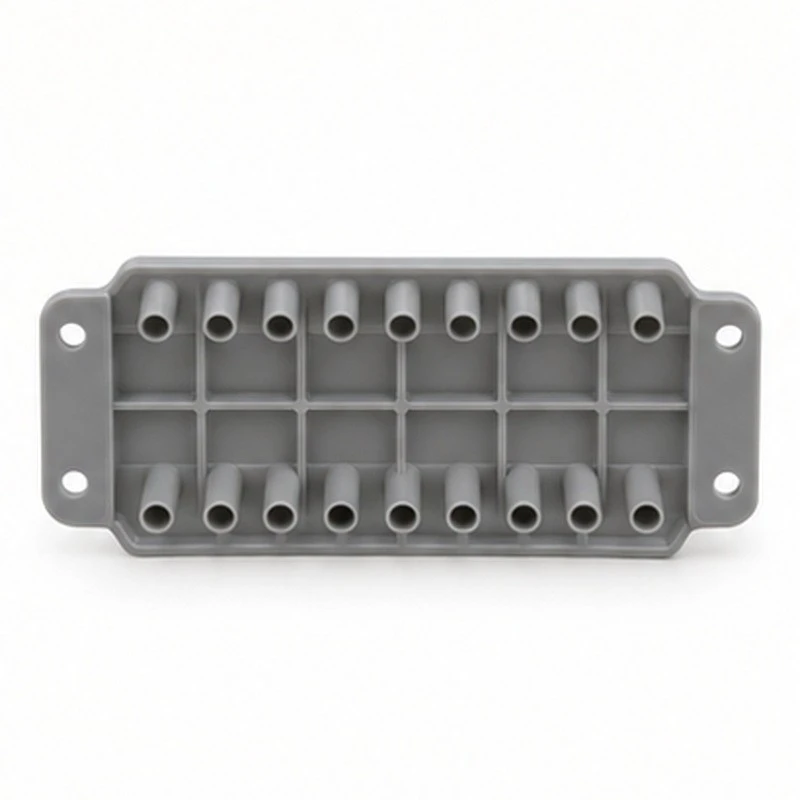
Tianjin SWKS Technology & Development Co.,Ltd is one of the most reliable manufacturers and suppliers of custom pp industrial water treatment chemical distributor plate in China. If you're going to buy bulk cheap custom pp industrial water treatment chemical distributor plate, welcome to get quotation from our factory. Quality products and low price are available.
Custom PP Industrial Water Treatment Chemical Distributor Plate
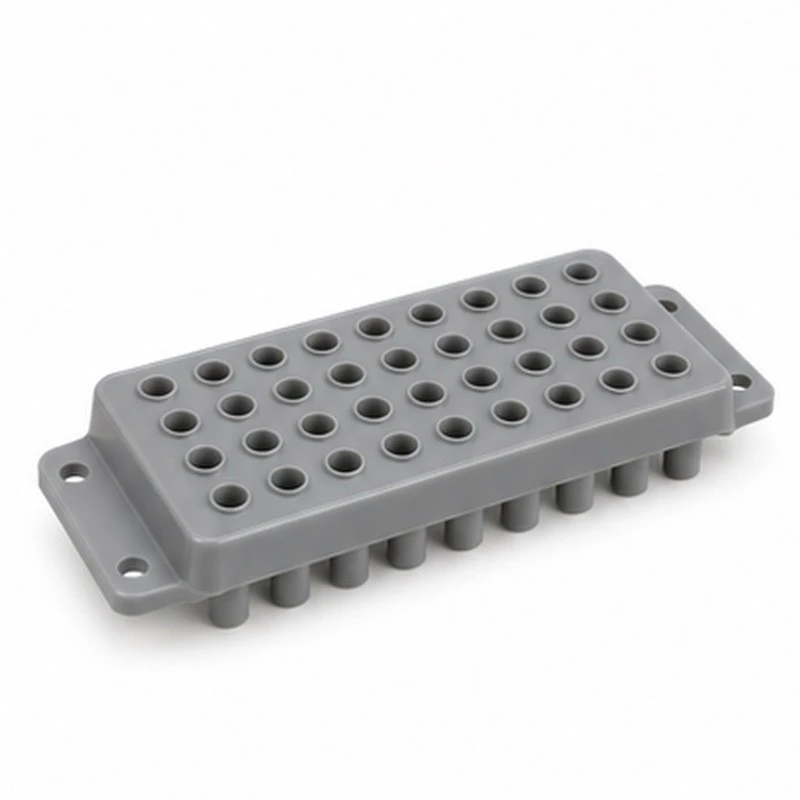
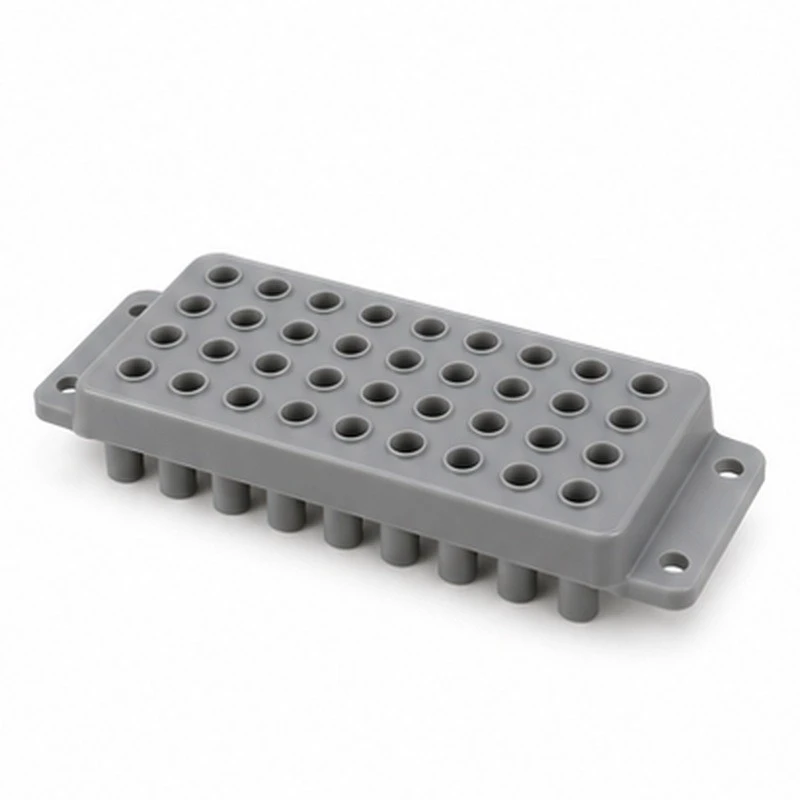
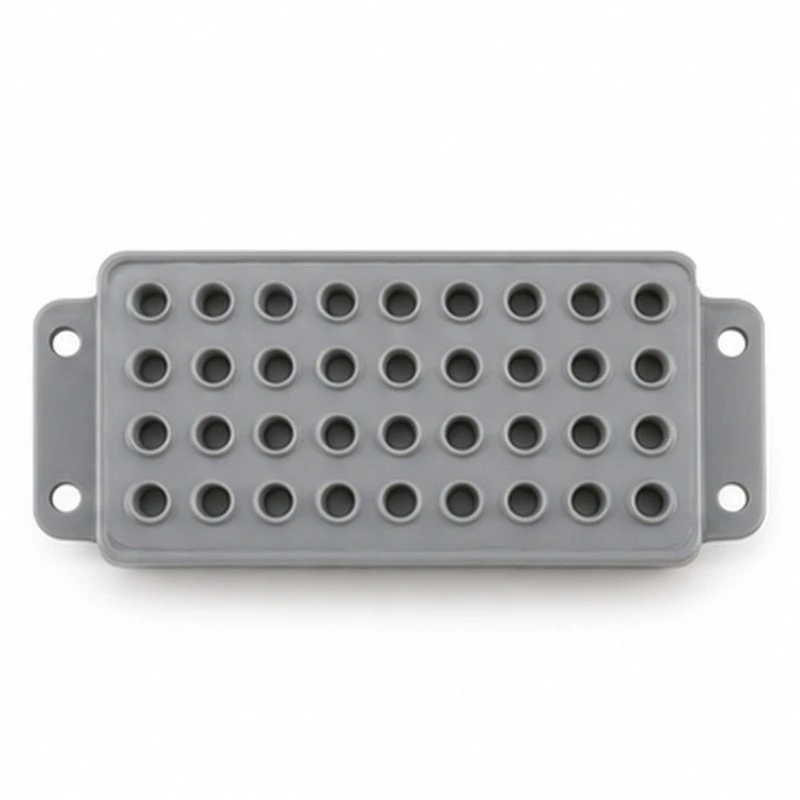
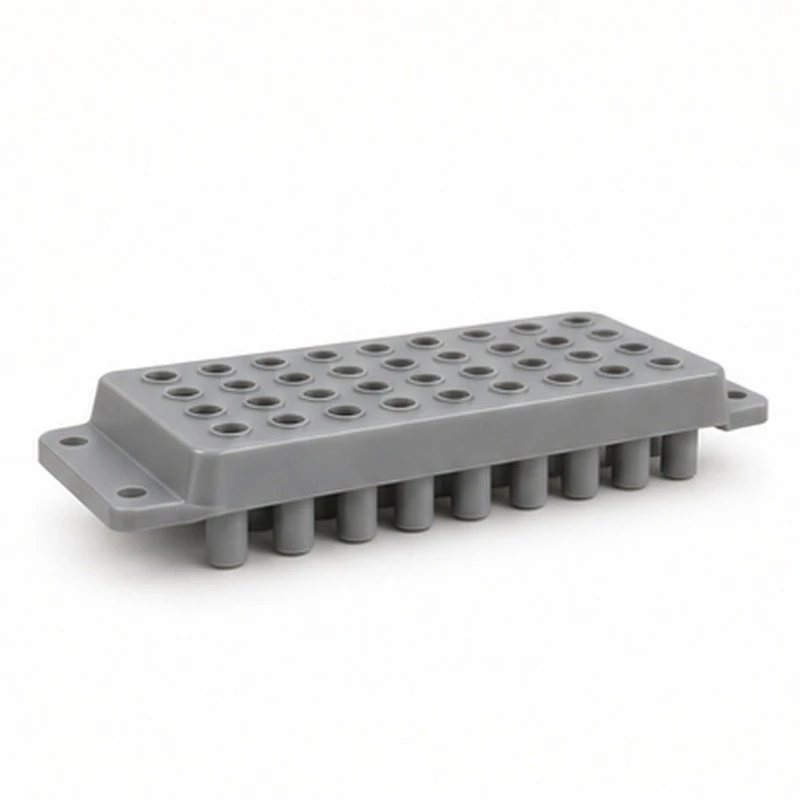
This custom PP plate distributes a specified dosing stream across a drawing-defined liquid interface before the downstream mixing stage. The molded reference component has a defined port array and peripheral mounting lands. Dosing performance is assessed on the assembled liquid system. Pictures are generated examples for project discussion. All finished dimensions, material specification and qualification requirements depend on the approved design.
Follow the dosing liquid through the plenum
A chemical distribution plate needs to fit the dosing module where a specified liquid stream is introduced and shared across an interface. Show the plenum upstream and the intended mixing region downstream on the same section. Its port array may divide the dosing stream among locations selected by the treatment equipment designer. This description concerns the mixing or dosing interface, where the project routing, liquid and owner-defined acceptance are important. The reference shape is not intended as a filter media support or a general water filtration plate.
Product specification
| Material | PP |
| Manufacturing method | Custom injection molding |
| Application | industrial water-treatment dosing and liquid premixing modules |
| Assembly references | dosing plenum, defined downstream mixing zone, mounts and any separate seal |
| Drawing formats | STP, STEP, IGS and a dimensioned print |
| Validation scope | port geometry, mounted fit and liquid distribution in an owner-approved bench assembly |
Use a controlled sample to trace the specified dosing stream into the upstream plenum and identify the downstream mixing envelope. Before agreeing on a manufacturing tolerance, identify which areas can use ordinary process variation and which need a specifically documented result. The priority should be the features related to installation, the agreed service role and the checks in the equipment drawing. Label the revision of the molding and mating components if any decision is made during a pilot run for industrial water-treatment dosing and liquid premixing modules.
Identify port positions and groupings
Provide both the port map and a reference that distinguishes the inlet side from the outlet side. If a plenum covers only some of the openings, show those boundaries in the assembly. Number groups or positions on the drawing and include what each group supplies. A hole count alone does not indicate how the distribution is intended to function. The material supplier can make a component proposal after the required geometry and the method for checking it are known. The equipment designer defines and validates the liquid routing on the whole module.

On the quotation review, show the grouping and identification of outlet holes on the project drawing. Add an acceptance method to the drawing when the requirement cannot be understood from the model alone. Explain whether the initial check requires a fixture, a reference assembly or a representative installed component. If an inspection report is requested, agree on the fields that must appear in the report before ordering pilot parts. This helps keep the assessment of liquid dosing distributor plate separate from qualification of the complete equipment.
Define the chemical service for the nominated PP grade
Report the actual solution or formulation, concentration range, service temperature and any separate cleaning exposure. Include the length and nature of contact at the molded plate. Note if the dosing stream alternates between operating liquid and a different rinse. A compatibility review for one solution should not be treated as approval for another solution or grade. Ask the design owner to specify the nominated grade and the actual media so testing can use a representative configuration. Separately identify the materials of any seals or fasteners.
During a review of liquid dosing distributor plate, ask the owner to document the direction the plate is installed and how it is located. Treat this as a controlled interface rather than an appearance preference. A model supplied alone may have enough information for a rough quotation while omitting the references needed to confirm assembly. For an engineering review of industrial water-treatment dosing and liquid premixing modules, mark the relevant surfaces on both the customer assembly and the part drawing. Indicate which dimensions are checked before assembly and which depend on the selected mating items.
Show the seating and orientation of the plate
Mark the faces used to locate the plate in the dosing module and state how an installer distinguishes its sides and orientation. Include the hardware and any separate gasket in section. Describe the removability required for cleaning or for checking particular outlets. If the outside flange is used to position the part, identify the opening around the flange and show the downstream volume reserved for the ports. Provide a drawing of the mating module rather than expecting the outside plate outline to define the installation.

Ask the design team to share the actual dosing solution composition, concentration and temperature for compatibility review. A useful review separates the manufactured component from the extra space needed to install it. Record the position and any access requirement after nearby hardware is fitted. When different equipment revisions share an outer shape, include a separate view of each arrangement. This gives purchasing a clear way to trace a request for liquid dosing distributor plate to the assembly that actually needs it.
Separate hole inspection from a flow trial
An inspection of the bare plate can document port dimensions, location and appearance against the approved model. An assembled trial can address the way liquid leaves the approved module and reaches the intended mixing area. Establish the recorded fluid and bench arrangement with the equipment designer. Ask what distribution observations are useful and what method will be used. Keep flow observations tied to the tested module revision and test conditions. A photograph or dimension table does not establish dosing accuracy, treatment effectiveness or a pressure rating.
For this item the drawing package should show the relevant relationship. Specifically, show the normal means of cleaning or inspecting outlets. The best section is one that shows the feature in its intended assembled state. Include hardware type and any permitted alternate part. If access or fit changes with the alternate, quote an agreed revision first and review the second configuration before sharing a tooling decision. Keep the part data for industrial water-treatment dosing and liquid premixing modules tied to its intended revision.
Plan access for changing or cleaning the outlets
If process deposits may accumulate, confirm how the equipment owner inspects and cleans the selected port groups. Provide a process drawing showing which openings need access after mounting and the distance to nearby walls or hardware. If two module sizes are used, submit the relevant port layout and order volume separately. Before preparing pilot parts, agree the part drawing, grade, assembly references and release steps with the treatment equipment designer.
At sample approval, agree on which assembled liquid checks are needed and what the equipment owner will measure. The part manufacturer and the purchaser can then review the same configuration. Retain the reference setup, including the way the component is supported and the selected mating items. A difference between an unmounted measurement and an assembled one should be documented with the condition and measuring point. This avoids deciding whether a sample is usable based only on the shape visible in a photograph of liquid dosing distributor plate.
Purchase and sample approval
Place the sample order against a dated engineering baseline. A quotation issued before the mating assembly is fixed can state assumptions for the areas still open. Label each proposed change to the plastic geometry and ask the owner to accept it against the latest assembly view. If more than one cavity is planned, explain whether dimensional results must identify each cavity. Send an estimated production range so the tooling plan reflects the likely supply requirements.
Before releasing parts for a pilot build, list the checks that must be performed by the customer and those the molding shop should report. A straight edge, go gauge, fit template or fixture can serve different purposes. Describe the intended acceptance process and the exact inspection condition. Product photographs help explain the application without replacing a sample report or the equipment owner's operating limits.
Dosing stream path in the project record
Ask the design team to trace the specified dosing stream into the upstream plenum and identify the downstream mixing envelope. A useful review separates the manufactured component from the extra space needed to install it. Record the position and any access requirement after nearby hardware is fitted. When different equipment revisions share an outer shape, include a separate view of each arrangement. This gives purchasing a clear way to trace a request for liquid dosing distributor plate to the assembly that actually needs it.
Port grouping in the project record
For this item the drawing package should show the relevant relationship. Specifically, show the grouping and identification of outlet holes on the project drawing. The best section is one that shows the feature in its intended assembled state. Include hardware type and any permitted alternate part. If access or fit changes with the alternate, quote an agreed revision first and review the second configuration before sharing a tooling decision. Keep the part data for industrial water-treatment dosing and liquid premixing modules tied to its intended revision.
Installation orientation in the project record
At sample approval, document the direction the plate is installed and how it is located. The part manufacturer and the purchaser can then review the same configuration. Retain the reference setup, including the way the component is supported and the selected mating items. A difference between an unmounted measurement and an assembled one should be documented with the condition and measuring point. This avoids deciding whether a sample is usable based only on the shape visible in a photograph of liquid dosing distributor plate.
Related SWKS products include Custom PP Industrial Water Treatment Nozzle Plate and Custom PP Industrial Dosing Valve Internal Cage.
For a drawing-based quotation, send the assembly references and required quantity to amanda@tjswks.com.
Hot Tags: custom pp industrial water treatment chemical distributor plate, China, suppliers, manufacturers, factory, bulk, cheap, low price, quotation, colored plastic injection parts, Injection Molded Polypropylene Parts, lightweight plastic injection parts, Low Quantity Injection Molding, PE Injection Molding Plastic Machine Parts, plastic part design for injection molding


