


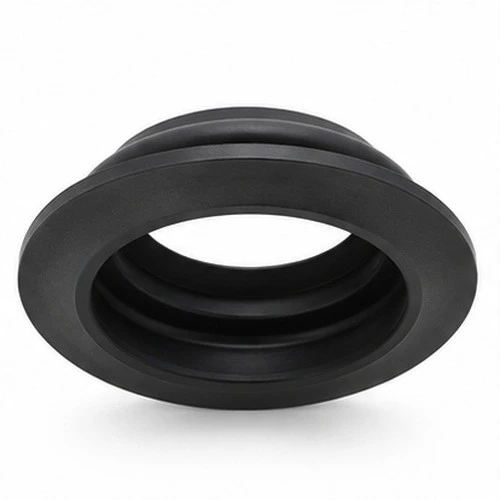
Tianjin SWKS Technology & Development Co.,Ltd is one of the most reliable manufacturers and suppliers of custom epdm industrial robot joint dust seal in China. If you're going to buy bulk cheap custom epdm industrial robot joint dust seal, welcome to get quotation from our factory. Quality products and low price are available.
Custom EPDM Industrial Robot Joint Dust Seal
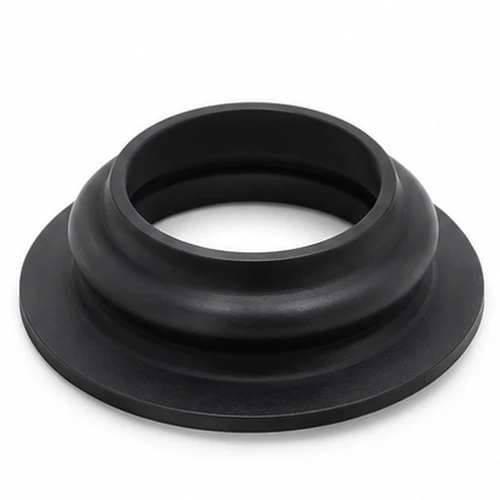
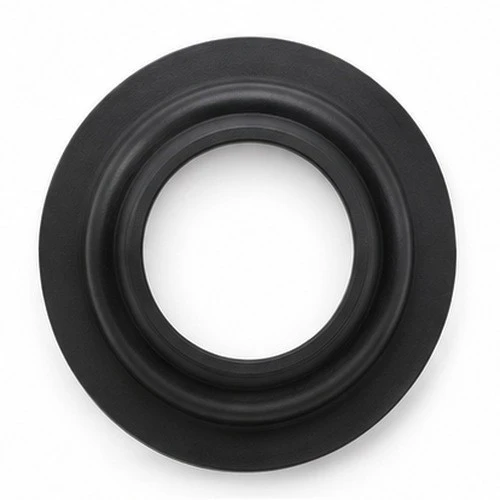
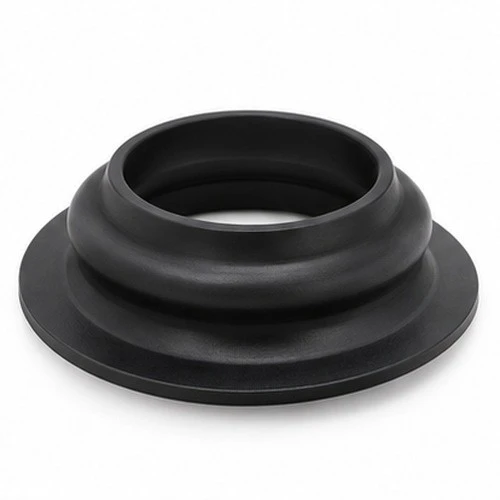
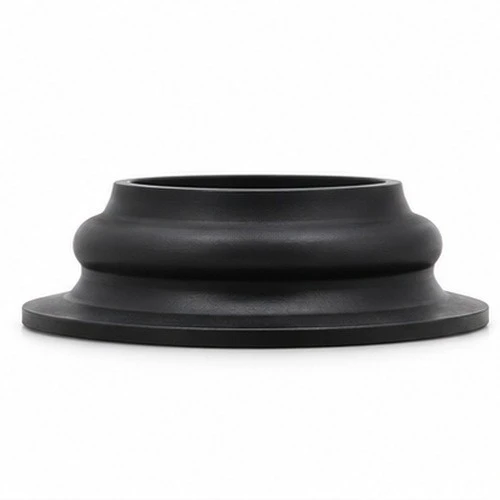
SWKS quotes this annular dust exclusion seal from the customer's approved drawings and project requirements. The white-background photos are generated illustrations of representative geometry. Final fit, material grade and validation requirements follow the project specification.
Product specifications
| Material | EPDM grade per approved specification |
|---|---|
| Process | Custom elastomer molding |
| Part function | annular dust exclusion seal |
| Drawing review | stationary seat, moving counterface and dust lip |
| Quotation files | STP, STEP or IGS and a dimensioned PDF |
| Supply scope | Tooling, first samples and repeat production per project |
The boundary between a robot joint and its surroundings
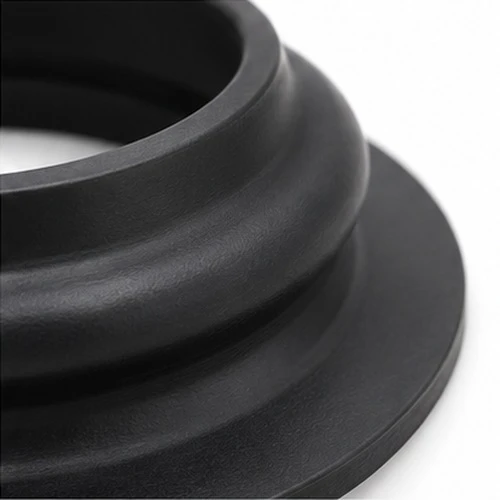
A molded EPDM dust seal can sit between the stationary housing and a moving part of an industrial joint. The example shows a stepped annular lip. The drawing should identify the housing seat, the moving counterface and which side faces the environment. Show the assembled profile and how the moving member approaches it during installation. A small ring with the same outside diameter can use a different lip angle or back shoulder for a different joint, so the part number and facing direction matter.
An uninstalled seal can look symmetric from outside and carry a distinct entry edge on one face. Use a section with front and rear marked. State whether the seat on the stationary side is responsible for position or whether a separate neighboring feature holds the seal once the joint is closed.
Check the installed lip in a representative assembly
Use the equipment owner's approved fixture to see where the lip sits against the intended counterface. A local mark can be hard to interpret if the assembly was held off its usual axis or if the face had a coating different from the approved part. Record the mating finish, installed orientation and whether covers were present. If a lip rolls over during installation, document where it begins and which portion was passed over the housing or moving member. The owner specifies the intended dust protection performance and its test method.
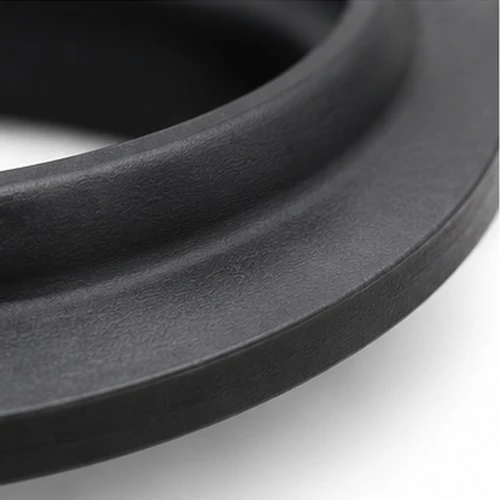
A seating edge can matter even when it does not contact the moving surface. Show its position relative to the fasteners or cover that holds the seal. Trim notes should identify the protected lip and the faces that can carry a witness.
Select the specified compound and receiving evidence
Confirm the EPDM compound and the relevant service exposure, including any cleaning or other contact conditions. Provide the expected joint movement and the owner's selected fit and dust qualification criteria. A loose ring can be measured in a reference fixture without treating that result as proof of performance in a moving joint. Ask the quotation team to identify the mating part number, seal installation side and drawing release. If the buyer plans to order it as a spare, include packing instructions that keep the lip from folding during transport and storage.
Versions and reference parts for quotations
When two versions use a similar shape, assign a drawing and order identifier before exchanging physical samples. A plastic or metal reference can arrive in the same carton as the elastomer being quoted. Tag each item with a short note saying whether it represents color, finish, fit or test geometry. A procurement drawing with the model number will make a later change easier to discuss. Include an assembly view showing the position of the drawing item and whether it is ordered as a single piece or part of a set. If any hardware must be returned, give the receiving instructions with the sample request. This can be specified alongside starting quantities and repeat demand so the supplier can review both feasibility and production scope against one revision.
Physical samples and material release
Early samples are best identified by what the customer intends to check. One sample may demonstrate that the outline can seat in the space available. Another may be part of a later trial using the released material. Confirm with the equipment owner which hardware and approved conditions apply to each one. Any required compound certificate or test method should reference the actual grade on the drawing. Give the grade, nominal hardness and applicable acceptance method when those are known. For a part developed from several material options, keep each sample and its result with its own compound information. Avoid relying on shade or appearance to identify materials in a mixed batch. The approved mold and order documents can then describe the specific version the receiving team should compare.
Packaging and shape after delivery
Discuss how the elastomer will be handled after it is molded, especially if a shallow lip or long perimeter could be creased when pieces are packed. A packing drawing or photograph can show which face may rest on a divider and how an operator will remove one sample from a box. Soft parts can temporarily conform to another surface, so compare samples after the agreed handling and conditioning period. If parts are grouped as sets, specify the preferred quantity, labels and version identifiers. For a pilot, the receiving team may need to keep different cavities or runs separate until approval. Assign a packing instruction and keep it tied to the same part number as the molding. This is useful when visually similar components go to different assembly teams.
Set receiving and handling requirements before the first shipment
The initial purchase can describe which pieces are for measurement, which are for the customer's build and which remain as references. A box sent to equipment engineering can need different sample labels from a recurring shipment to line stores. Where a shaped edge must stay clear, give stacking limits, tray orientation or other applicable packing instructions to the quotation team. Confirm whether the packed units are supplied individually or in a defined set, and whether a part number, cavity or lot should appear on each bag. If the receiver uses a visual reference at unpacking, identify the lighting or fixture information as appropriate. Keep those requirements with the grade and drawing identifier so later lots can be compared under the same conditions.
How an engineering change reaches purchasing
Before updating a tool, show which areas of the product drawing have moved and whether the mating part has also changed. This matters when the main outline is the same and an internal locator or contact detail has been revised. Provide the old and new assembly section if they clarify what the manufacturing supplier needs to preserve. Once a new sample is released, state whether the earlier version is still required for a different machine or for service. The receiving team can then identify the two items correctly even if both still use the same color and outside profile. Attach sampling and repeat quantity by revision and indicate which fit checks the customer will handle before releasing the update.
Shape review around molded transitions
An elastomer cavity often includes changes from a supported mounting face to a thinner working edge. A shaded computer model can make the transition appear gradual while an enlarged section shows a small corner or a sudden change. Review the approved outline and which surfaces carry fit requirements. The supplier can raise questions about mold release, visible marks and inspection access while the equipment team identifies the parts that define the installed position. Where a tool proposal requires approval, mark the areas being reviewed and retain the accepted version with the buyer's order. Use a local reference fixture for evaluating geometry when indicated on the drawing. Agree how the first sample will be presented so a soft but important feature can be inspected without bending it inadvertently.
Describe the part in the equipment sequence
Read the customer's machine drawing in the order the molded item goes into the assembly. A loose face may seem accessible but be hidden as soon as a second part is installed. Begin with the surface on which the component rests, then include the direction of insertion and any equipment that closes around it. If there is a different order for a repair, the removal view can show that separately. Attach the revision of the relevant mating model so the quotation can describe what is being supplied without requiring the whole machine file. When a prototype is shown, identify which features are provisional and whether any measurements were made with a temporary fixture. The approved product drawing should eventually link the loose item to the installed geometry the customer will accept.
Tell the inspector what an acceptable edge looks like
The edge shown on the part file may have a larger function than its short length suggests. It can be used to locate the component, to avoid catching a mating piece or to produce a contact profile in the equipment. Identify these regions on an enlarged print. A visible line left by the tool may be routine on a hidden face, while a raised step on a protected surface can affect how the piece is handled or inspected. Show where a witness may be assessed by visual inspection and where the customer needs a specific reference. If samples are compared after being installed, record the position and the hardware that produced the mark. A result is easier to interpret if the part was examined loose and then checked again in the equipment fixture.
Explore the SWKS range of custom molded industrial components for related OEM parts.
Request a quotation
Email your drawings, application information and expected quantities to amanda@tjswks.com for a project review.
Hot Tags: custom epdm industrial robot joint dust seal, China, suppliers, manufacturers, factory, bulk, cheap, low price, quotation


