


Tianjin SWKS Technology & Development Co.,Ltd is one of the most reliable manufacturers and suppliers of custom injection molded roller bracket housings in China. If you're going to buy bulk cheap custom injection molded roller bracket housings, welcome to get quotation from our factory. Quality products and low price are available.
Custom Injection Molded Roller Bracket Housings
A shaped plastic housing can bring several mechanical interfaces into one compact component. The body provides an enclosure envelope, the upper flange locates adjacent features, and an extended arm connects the part to the surrounding assembly. SWKS offers custom injection molded housings with roller mounting features for customers who need a particular combination of body shape, mounting geometry, and assembly interfaces.
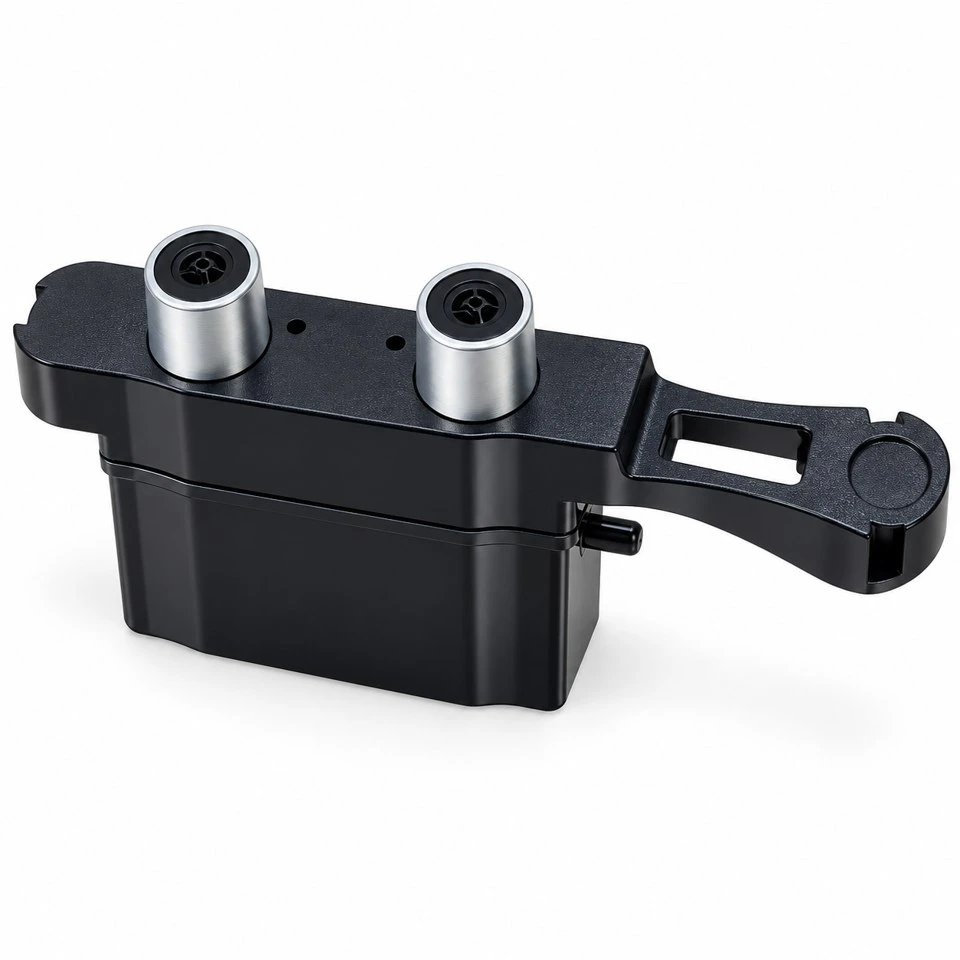
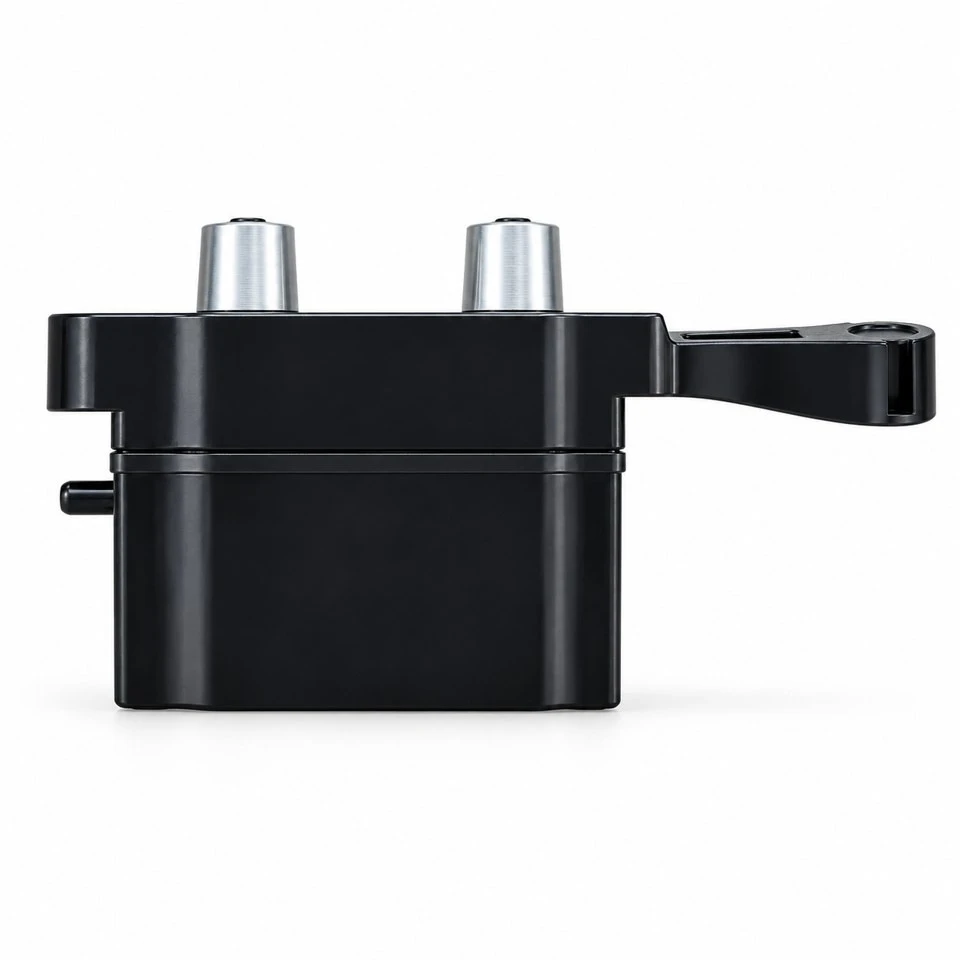
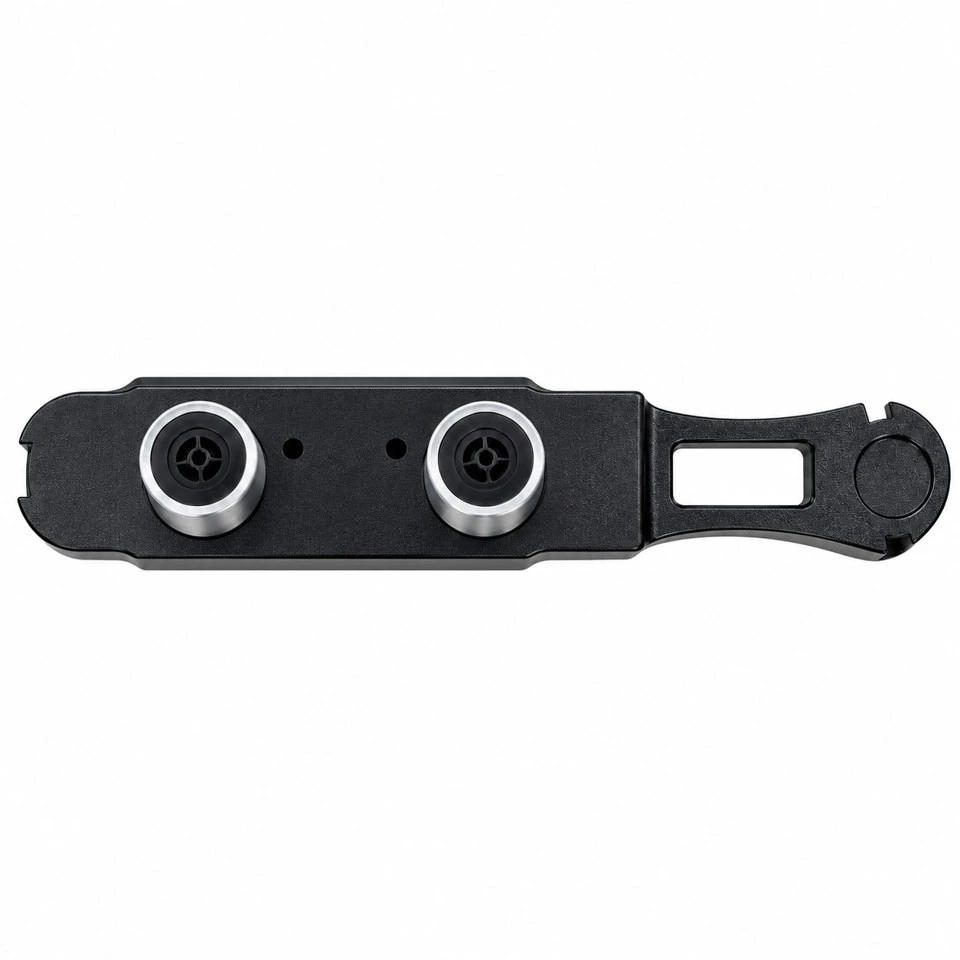
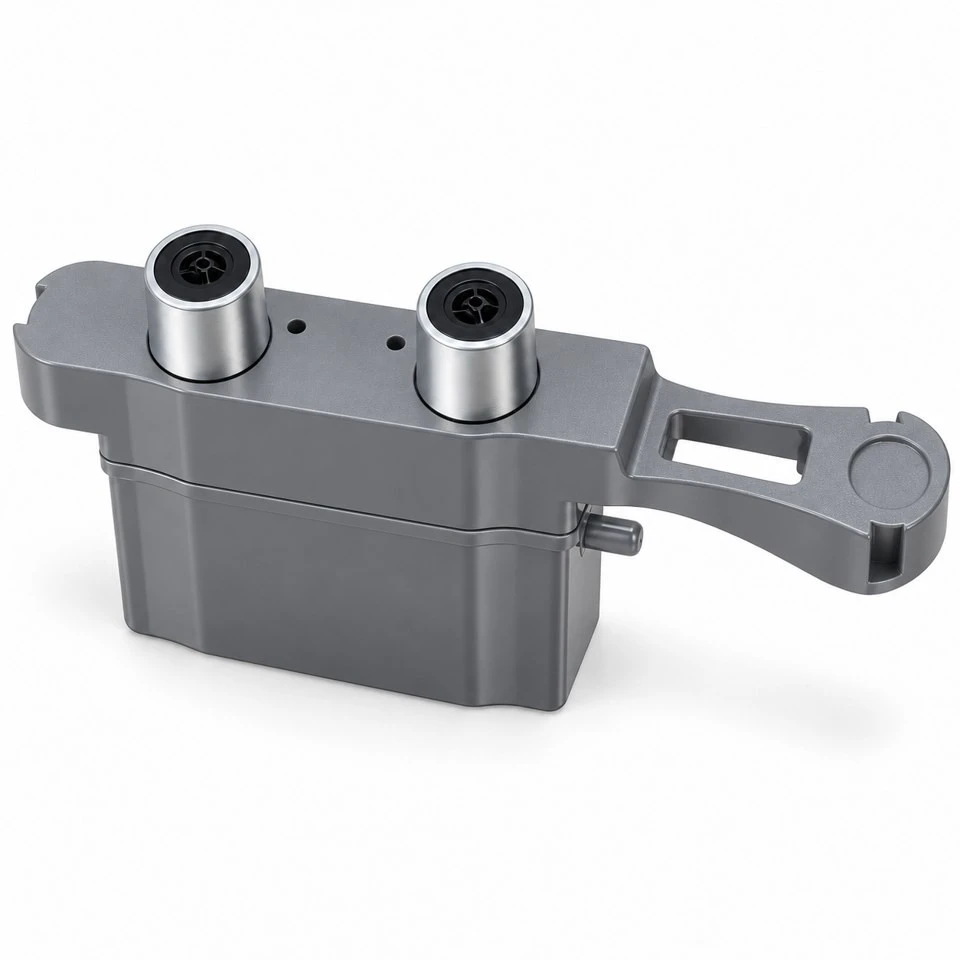
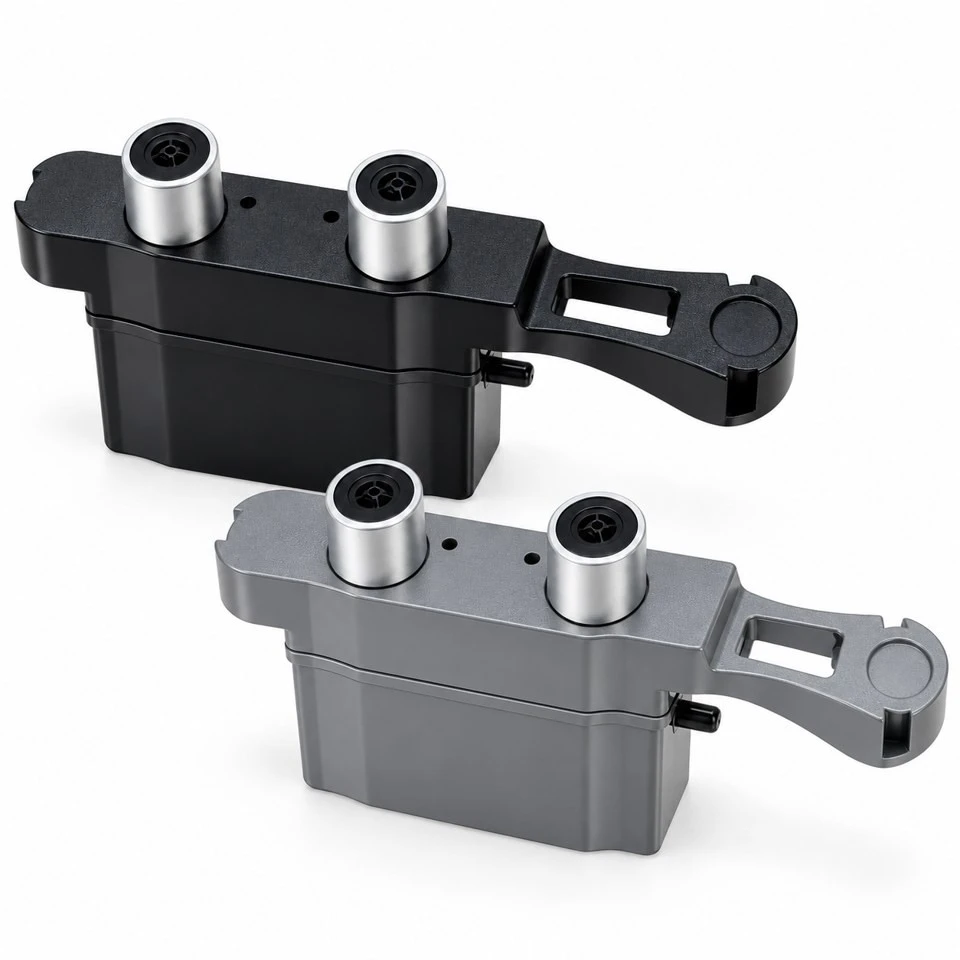
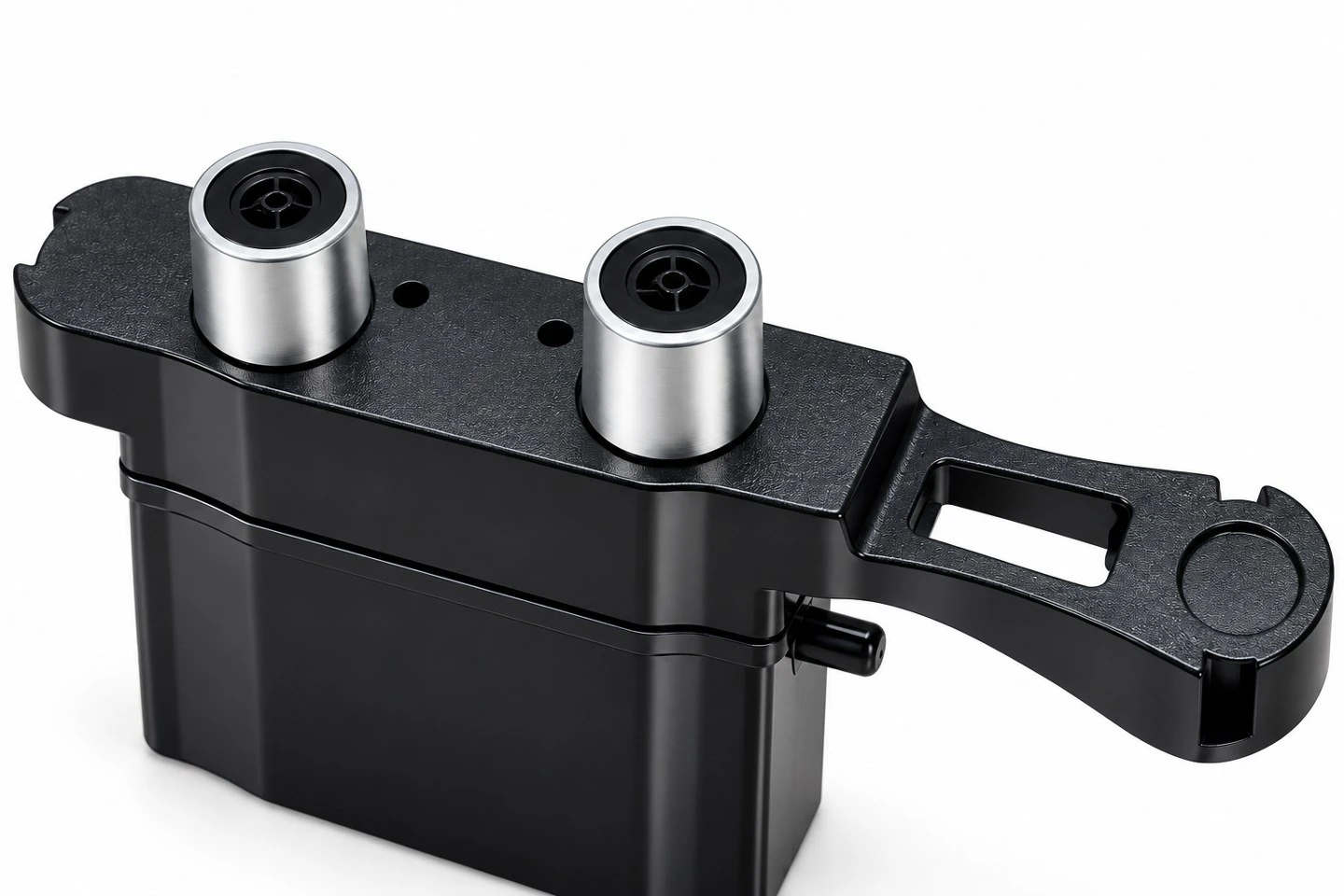
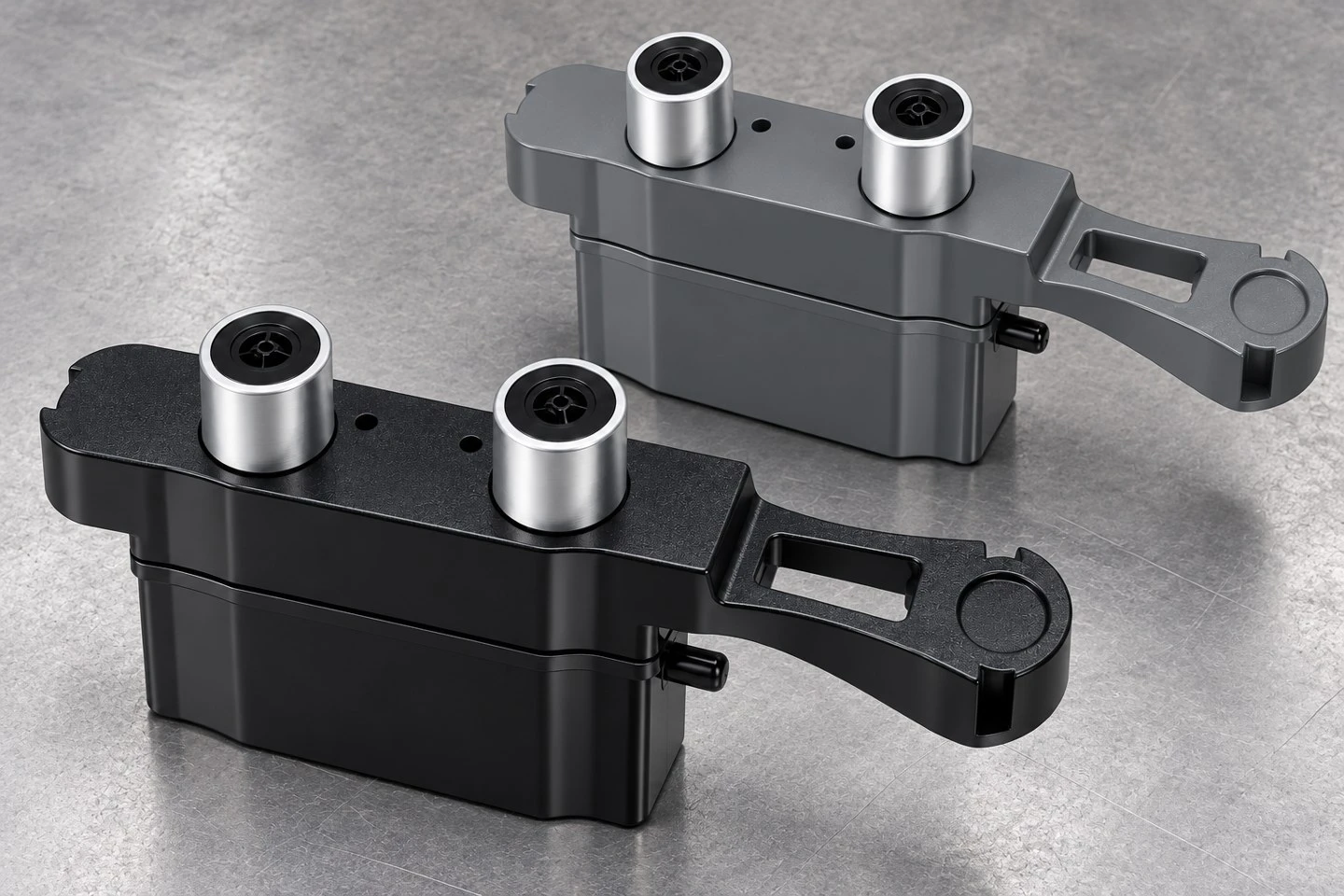
The reference configuration shown here has a black rectangular body, a long upper flange, two cylindrical roller positions, and an extended mounting arm with an elongated opening. It is presented as a custom component concept based on a physical part. The original resin and complete internal function have not been verified. A production project should therefore be defined by a drawing and an agreed material specification rather than by assumptions about a photograph.
What can be customized in this housing configuration?
The overall body envelope, flange outline, mounting arm, locating features, and roller interfaces can be reviewed together. This makes the design suitable for discussion when a conventional enclosure does not match the surrounding mechanism. The starting point is the required function and available installation space. The example does not imply that its dimensions or layout are appropriate for every machine.
Provide an assembly view showing where the part sits and which surfaces locate it. Explain what the roller positions do in the actual mechanism, which components move, and which features remain fixed. If the housing is only one part of a larger unit, identify the boundaries of the required supply. We can quote a defined custom molding scope without assuming that an unseen mechanism, shaft, or accessory is included.
How should the two roller interfaces be specified?
Show the center distance, mounting height, orientation, and relevant diameters for each roller position. Identify the surfaces that control alignment with the mating assembly. A drawing should distinguish the plastic mounting region from any separate roller, sleeve, pin, or retaining component. Similar exterior shapes can use different internal arrangements, so the visible cylinders alone cannot define the manufacturing or assembly method.
If a particular roller or sleeve is required, provide its part drawing or controlled interface dimensions. State whether it is supplied by the customer, purchased as an agreed item, or included in the manufacturing proposal. The order should also define whether the delivered product is a plastic body or an assembled unit. This avoids treating the appearance of the sample as a complete bill of materials.
Which dimensions control the extended mounting arm?
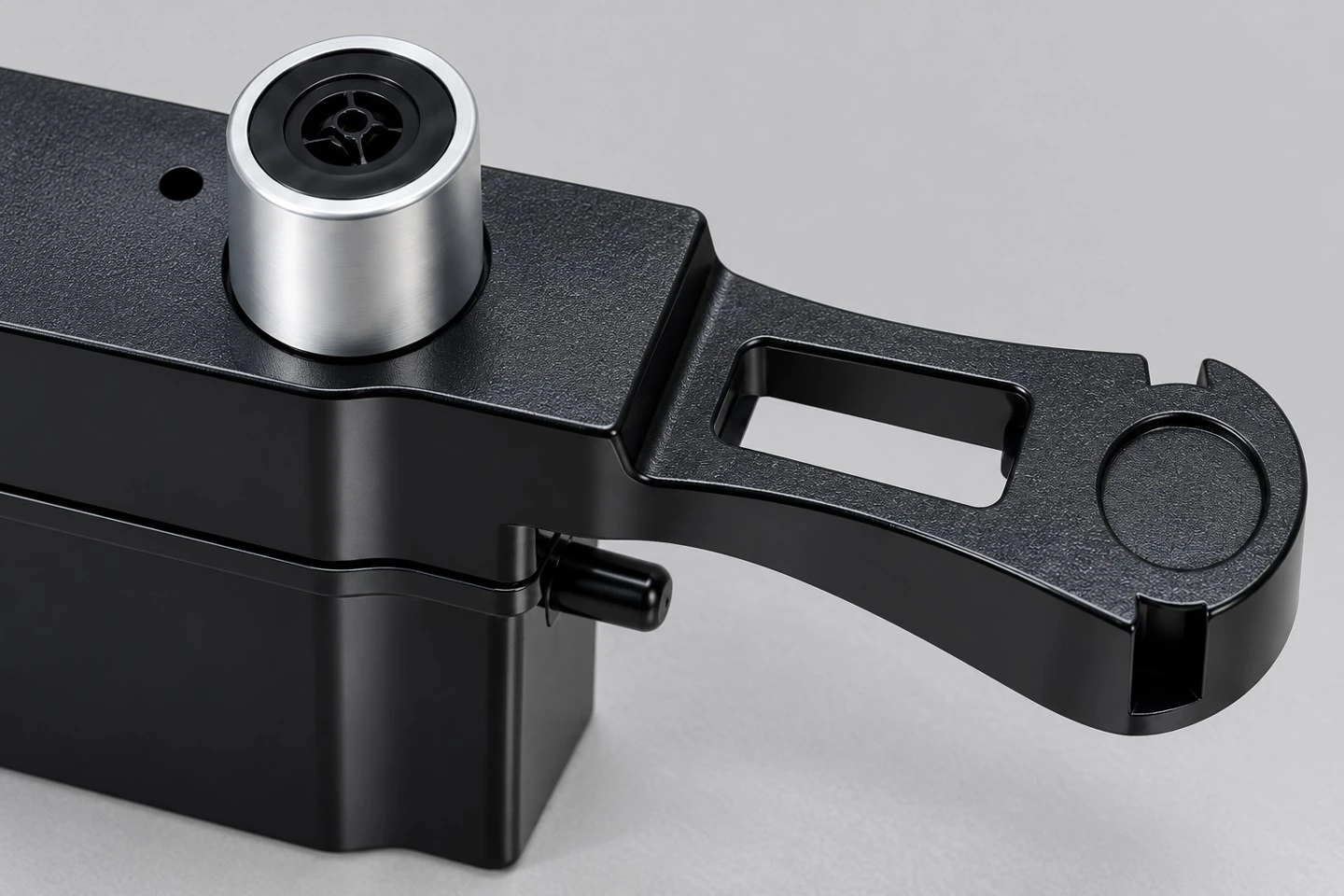
An extended arm needs to be located relative to the body and its mating structure. Include its length, thickness, offsets, and the shape of the opening. If the elongated slot permits adjustment, specify the intended travel and the hardware or mating feature that uses it. The radius at the slot ends and the clearance around the arm should be defined where they affect assembly.
Show any load applied through the arm and its direction. A long projection can be affected by forces introduced during installation as well as normal operation. Identify whether the arm is clamped, located by a pin, or engaged by another part. The rounded end feature visible in the example is treated as reference geometry; its purpose and dimensions need confirmation before it can become a production requirement.
What should be defined about the rectangular body?
Specify the outside envelope and the space that must remain available inside or around the housing. Include the relationship between the upper flange and lower body, together with any interfaces for a cover or mating part. The external seam in a photograph does not reveal how the assembly is retained. A section drawing is needed to define internal walls, closure details, and clearances.
Where the body is hollow, define the wall layout and any internal features that affect the required tooling. Do not assume internal ribs, bosses, or clips from the exterior appearance. If only an existing sample is available, the project may need a measurement and drawing stage before manufacturing can be quoted reliably. Any agreed reconstruction should be approved as a controlled model rather than remaining an informal interpretation of photographs.
Can the original material be identified from its light weight?
A light component is not enough evidence to identify the resin. The amount of plastic in the part, hollow sections, wall thickness, and separate assembly items all affect the overall weight. Black color and a glossy surface also do not establish a specific polymer. The reference part should not be described as a confirmed ABS, PP, or nylon molding without a material record or suitable identification.
For a repeat component, provide a resin marking, existing drawing, material certificate, or another verified specification where available. If the original material is unknown, explain the performance and environment needed for the new part. A candidate resin can then be reviewed against those requirements. The goal is a controlled material choice for the project, rather than a confident guess based on appearance.
How can ABS, PP, nylon, or another resin be evaluated?
Material selection should consider the required stiffness, assembly forces, dimensional stability, appearance, and contact environment. State the operating temperatures, exposure to liquids or cleaners, and any outdoor conditions. Include requirements for repeated movement or long-term loading where they apply. The material family is only the beginning of the specification; the grade, reinforcement, color, and relevant acceptance requirements must also be agreed.
A change of resin may require a review of the wall sections and mating dimensions. Nylon conditioning, for example, can matter when evaluating fit, while a different resin may have different molding behavior. These factors should be addressed during design and sample approval. No universal load capacity, service temperature, or chemical resistance is assigned to every custom housing covered by the broader material list in the introduction.
What information helps review a lightweight molded structure?
Identify where material can be removed and where the component must transfer force. A hollow body can reduce the amount of plastic compared with a solid shape, but the actual performance depends on the structure and resin. Weight reduction should therefore follow a defined design target. Making every wall thinner without considering the mounting interfaces can create a different problem at the roller positions or extended arm.
The molding review should consider wall transitions, local sections, reinforcing features, draft, and the proposed tool opening direction. Mark functional surfaces where gate vestiges, ejector marks, or a parting witness would interfere with assembly. Suggested changes must be checked against the mating parts and recorded in the released drawing. A lightweight target should not replace the requirements that control fit and mechanical function.
How should finish and separate assembly items be controlled?
Define the visible surfaces and the required color, texture, and gloss. The sample combines different surface appearances, so the specification should explain which areas are cosmetic and which are functional. A physical appearance reference is useful where a consistent black finish is important. Photographs can communicate the style but do not establish exact production color or gloss limits.
Separate items should have their own material and dimensional requirements. If metallic sleeves or another component are included, confirm their specification rather than assuming their composition from a silver appearance. Also define the assembly sequence, retention method, and required checks. A quotation can then distinguish the plastic molding, separate parts, and assembly work, making it clear what the delivered product contains.
What does a useful sample inspection include?
Check the body envelope, arm geometry, roller center distance, interface heights, and other agreed critical features against the released drawing. Evaluate the part in its intended assembly rather than judging only its exterior. Record the resin reference and any conditioning requirement used for dimensional acceptance. If separate components are fitted, use the defined assembly configuration for the inspection.
Functional trials should reflect the loads, movements, and environment specified for the actual mechanism. Observe alignment, clearance, retention, and any deformation at the mounting features. The purpose is to validate the defined design, not to infer an unlimited service life from a short trial. If the sample needs changes, update the drawing and repeat the relevant checks before production approval.
What should be sent for a custom housing quotation?
Please send the model and drawing together with the intended function, material requirements, and quantity. If the project begins from a physical sample, provide all available views and identify the dimensions or interfaces that must remain unchanged. State whether reverse measurement is required and whether the quote should include tooling, molded bodies, separate components, or assembly.
Include sample needs, initial production demand, and expected repeat quantities. These details help define a practical tooling and production proposal for custom injection molded enclosures and structural housings. Minimum quantity, tooling cost, and delivery timing are confirmed after the geometry, material, and supply scope have been reviewed.
| Project area | Information requested |
|---|---|
| Housing | Outer envelope, wall layout, internal clearance, closure interface, drawing revision |
| Mounting | Arm shape, slot, locating features, surrounding structure, applied forces |
| Roller interfaces | Centers, heights, diameters, mating parts, retention and assembly scope |
| Material and orders | Verified resin or performance requirements, finish, sample and production quantities |
Welcome to send your drawings, material requirements, assembly details, and quantities for a custom plastic roller bracket housing inquiry. Contact: amanda@tjswks.com
Hot Tags: custom injection molded roller bracket housings, China, suppliers, manufacturers, factory, bulk, cheap, low price, quotation, complex plastic injection parts, custom plastic injection parts, Plastic Injection Conduit Molding Machine Parts, PP Injection Components, PP plastic part, standard plastic machinery components


