


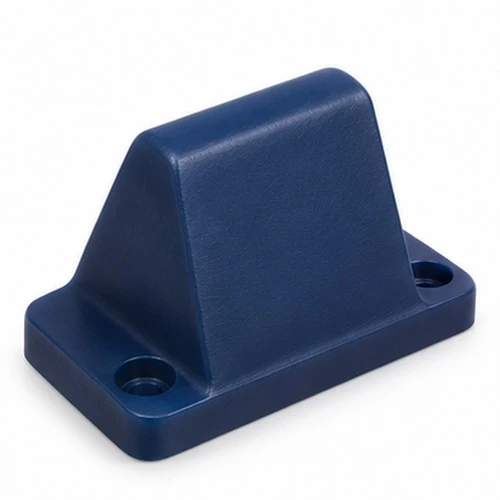
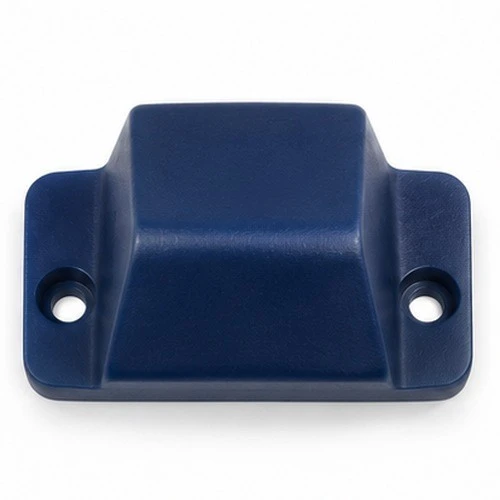
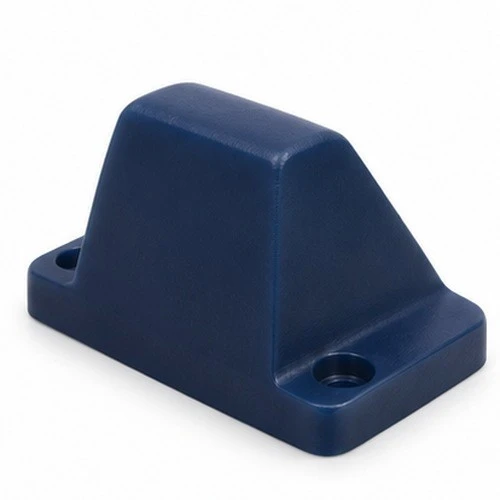
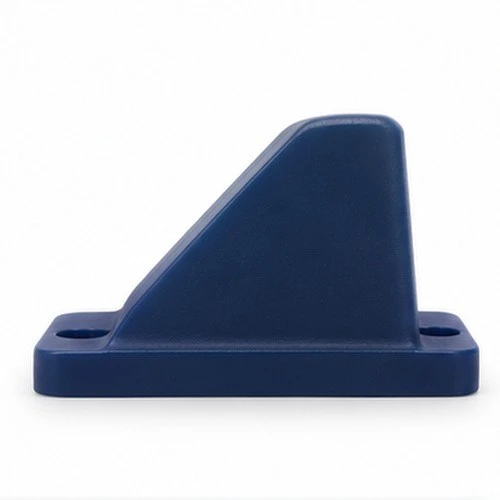
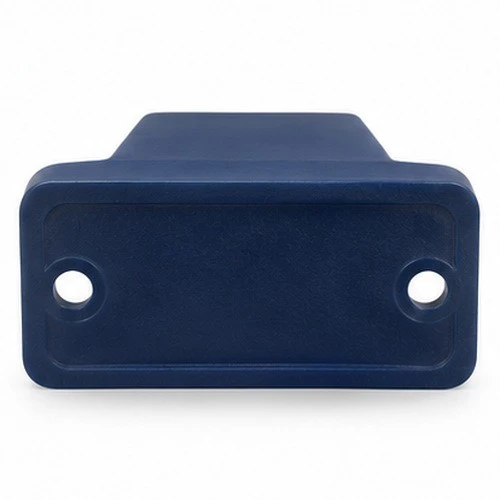
Tianjin SWKS Technology & Development Co.,Ltd is one of the most reliable manufacturers and suppliers of custom cast polyurethane industrial conveyor pallet stop bumper in China. If you're going to buy bulk cheap custom cast polyurethane industrial conveyor pallet stop bumper, welcome to get quotation from our factory. Quality products and low price are available.
Custom Cast Polyurethane Industrial Conveyor Pallet Stop Bumper
SWKS quotes this conveyor pallet stop bumper from the customer's approved drawings and project requirements. The white-background photos are generated illustrations of representative geometry. Final fit, material grade and validation requirements follow the project specification.
Product specifications
| Material | Cast Polyurethane grade per approved specification |
|---|---|
| Process | Custom polyurethane casting |
| Part function | conveyor pallet stop bumper |
| Drawing review | contact surface, pallet approach and mounting base |
| Quotation files | STP, STEP or IGS and a dimensioned PDF |
| Supply scope | Tooling, first samples and repeat production per project |
The pallet meets the stop at a defined height
This cast polyurethane bumper is a drawing-defined component on a conveyor pallet stop. The contact surface and base fit a specified pallet and stop assembly. Show the underside or leading edge of a pallet together with the rail or guide that sets its approach height. A bumper photographed by itself cannot show whether a pallet approaches low, reaches at a corner or meets it across the intended surface. The factory owner sets the operating speed, load and acceptance for the complete equipment. The illustrated stop block is a geometry example for tooling and quote review.
The bumper may be installed on a fixed plate or on a mechanism that is moved during normal operation. Identify the support under the bumper and what additional items are required in the system. A section through the lowest portion of a pallet can show where contact actually occurs relative to the attachment points.
Explain marks using the same pallet and rail version
A spare removed after use may show rubbing or dents on one side. A picture of that surface can help explain a concern if it is paired with a view of the pallet, rail and stop assembly. Record which pieces established the contact direction in the equipment owner's review. A loose mold sample can establish the shape at the specified surfaces. A safe inactive mockup can show how it mounts to the seat, while the owner evaluates system performance separately.
If the conveyor uses different pallet families, show whether they share the same approach profile and mounting references. Any version with a different contacting outline should be recorded in the proper seam or support view, especially where the bumper edge looks the same from the aisle.
Specify the cast PU and mounting geometry
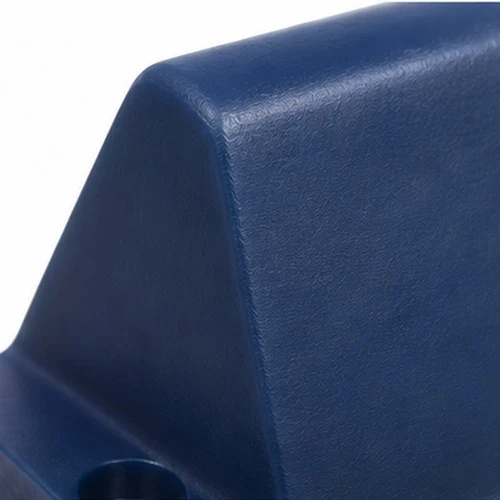
Give the approved polyurethane grade, color and hardness method and the service details relevant to the buyer's material approval. Specify the working face, fastening hardware, orientation and approved packing conditions. Where the equipment requires load or impact evidence, use the buyer's qualified system and acceptance procedure. The quote can cover physical sample measurement and identify separately what the owner will provide, including a representative plate or mating geometry.
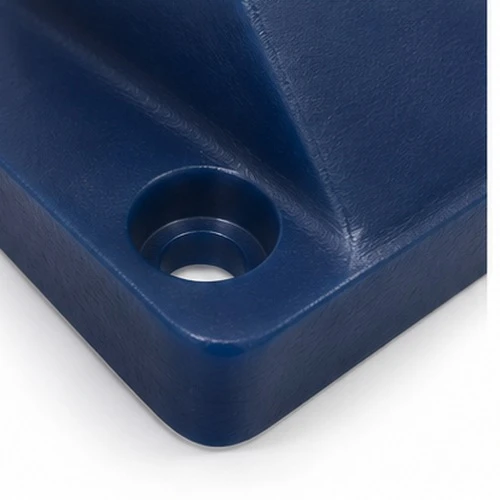
The RFQ should show the fastener holes, any counterbore or recess and the actual approach feature on the pallet. List project sample demand and repeat quantities for each version. Include the approved inspection note for the contact side and any instruction that helps receiving keep visually similar stop blocks apart.
Check what changes when a different pallet enters the line
A single production route may carry metal and polymer pallets with differing leading profiles. If the owner approves more than one style, attach the selected profiles and state the position at which each is evaluated. A change in the guide rail or support height can alter where the bumper is used even when the casting outline stays constant. Put the contact area and the locating reference in separate views so inspection can identify the surfaces seen when the casting is removed.
Tell purchasing whether the order is for a bare casting or includes separate fasteners. If a spare set includes different versions for distinct stops, mark the packaging so the wrong one does not reach the line. An approved fit note should name the stop unit and the appropriate version of the pallet.
The seat can be compared independently of the working tip
When an existing bumper is heavily used, the contact face may have changed shape. A fixture or current drawing can show whether its mounting base still corresponds to the new part. Use those references for a dimensional review. A photograph from the stop side can document the mounting direction and the space above the casting. The person receiving the next order can then identify the drawing revision and the intended stop without relying on how an old bumper appears after service.
Which release controls a development order
A project may quote several candidates before confirming the exact assembly. Give each version its own identifier and state which one is open for engineering review. Send the small portion of the parent assembly that locates it and name the prototype pieces the customer can provide. Measurements from one fixture should not quietly become requirements for a different release. When one design is selected, update the sample and quantity list so both parties know which drawing has moved into purchasing. Include any material approval requirement that remains open and note which evidence must be ready before tooling, before pilot samples or before repeat production. This makes it easier to compare a quote with the actual sequence of work.
Questions for the molded surface review
The part drawing can show three distinct regions. One may mate to another surface. Another may need to stay clear as nearby hardware moves. The third can be used for marks or tooling features. Highlight those areas on the model, using a side view if a bearing face is hidden. Separate cosmetic observations from requirements that affect contact and fit. If a witness mark is visible on the sample, report it relative to the approved region before changing the tool. The normal assembly orientation should be present in the image used for review. Give the intended limits and approved check for the exact feature rather than extending a surface rule from one piece to every similar molding.
Link the receiving report to the sample box
Give the model and lot information that should accompany the first samples and the version the equipment team plans to assemble. Where the customer sends gauges or comparison parts, identify which ones are for geometry and which ones reflect appearance or material. A receiving checklist should show how to locate the information even after packages move between sites. That can be useful when some samples are retained for the tooling record and others are used for customer tests. List any supporting documents that must travel with pilot delivery and the ones required for production. This gives the purchasing and inspection teams a consistent view of what was approved and what is expected on a repeat order.
Molded condition and reference tooling decisions
The supplier can review the flexible profile near the parting area once the functional sides are marked. The approved geometry may include a transition that is important for tool release or an edge that needs postmold trimming. Establish which decisions require customer review and where a proposed feature should be compared against the mating hardware. A 3D model with related pieces grouped separately can help show why a certain witness cannot go on the working face. Keep any agreed alternate routing of the witness on a marked drawing. The selected finish and material record should name the same part version as the physical sample, even if a different surface is used for a packing check.
Describe the part in the equipment sequence
Read the customer's machine drawing in the order the molded item goes into the assembly. A loose face may seem accessible but be hidden as soon as a second part is installed. Begin with the surface on which the component rests, then include the direction of insertion and any equipment that closes around it. If there is a different order for a repair, the removal view can show that separately. Attach the revision of the relevant mating model so the quotation can describe what is being supplied without requiring the whole machine file. When a prototype is shown, identify which features are provisional and whether any measurements were made with a temporary fixture. The approved product drawing should eventually link the loose item to the installed geometry the customer will accept.
Tell the inspector what an acceptable edge looks like
The edge shown on the part file may have a larger function than its short length suggests. It can be used to locate the component, to avoid catching a mating piece or to produce a contact profile in the equipment. Identify these regions on an enlarged print. A visible line left by the tool may be routine on a hidden face, while a raised step on a protected surface can affect how the piece is handled or inspected. Show where a witness may be assessed by visual inspection and where the customer needs a specific reference. If samples are compared after being installed, record the position and the hardware that produced the mark. A result is easier to interpret if the part was examined loose and then checked again in the equipment fixture.
Versions and reference parts for quotations
When two versions use a similar shape, assign a drawing and order identifier before exchanging physical samples. A plastic or metal reference can arrive in the same carton as the elastomer being quoted. Tag each item with a short note saying whether it represents color, finish, fit or test geometry. A procurement drawing with the model number will make a later change easier to discuss. Include an assembly view showing the position of the drawing item and whether it is ordered as a single piece or part of a set. If any hardware must be returned, give the receiving instructions with the sample request. This can be specified alongside starting quantities and repeat demand so the supplier can review both feasibility and production scope against one revision.
Explore the SWKS range of custom molded industrial components for related OEM parts.
Request a quotation
Email your drawings, application information and expected quantities to amanda@tjswks.com for a project review.
Hot Tags: custom cast polyurethane industrial conveyor pallet stop bumper, China, suppliers, manufacturers, factory, bulk, cheap, low price, quotation


