


Tianjin SWKS Technology & Development Co.,Ltd is one of the most reliable manufacturers and suppliers of custom polyurethane chute liners for material handling in China. If you're going to buy bulk cheap custom polyurethane chute liners for material handling, welcome to get quotation from our factory. Quality products and low price are available.
Custom Polyurethane Chute Liners for Material Handling
A chute lining project begins with the path of the material. The panel must fit the equipment, cover the intended surface, and remain accessible for inspection and replacement. A plate that matches the outside dimensions but ignores joints, fastener clearance, or the direction of flow can create avoidable installation problems. SWKS offers made-to-drawing polyurethane liner components for customers developing or maintaining industrial material handling equipment.
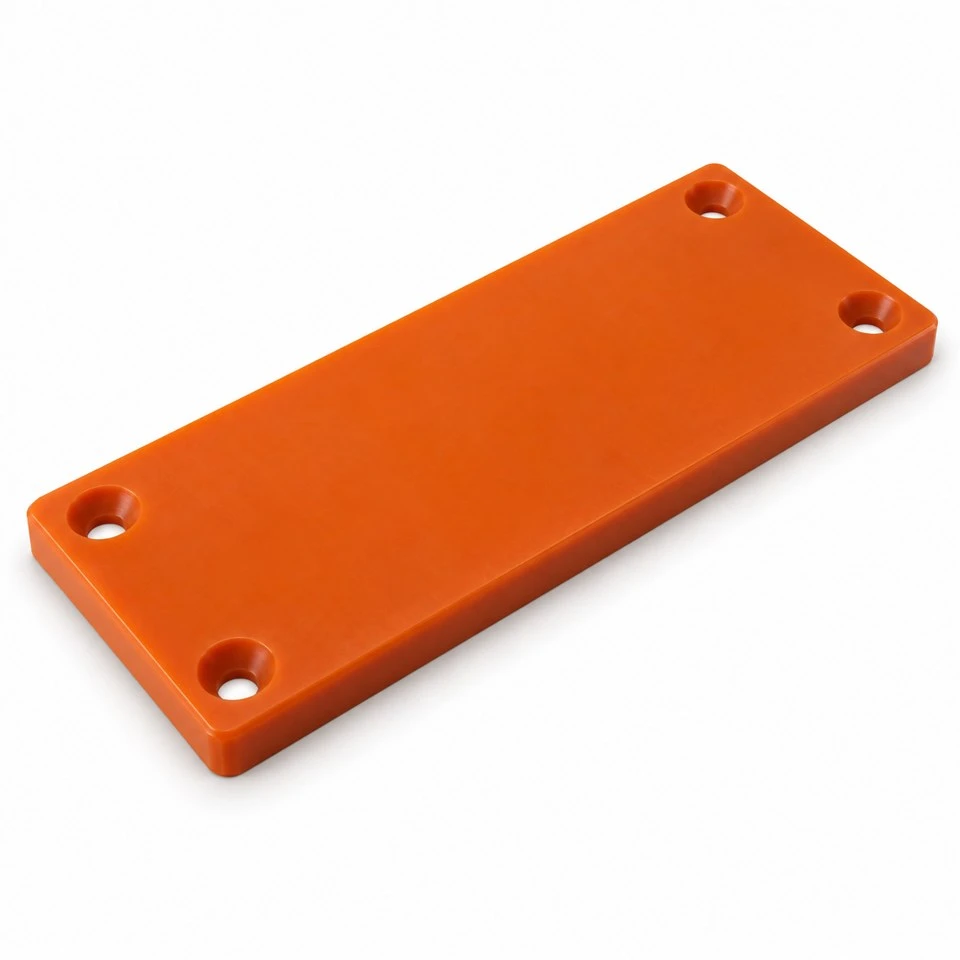
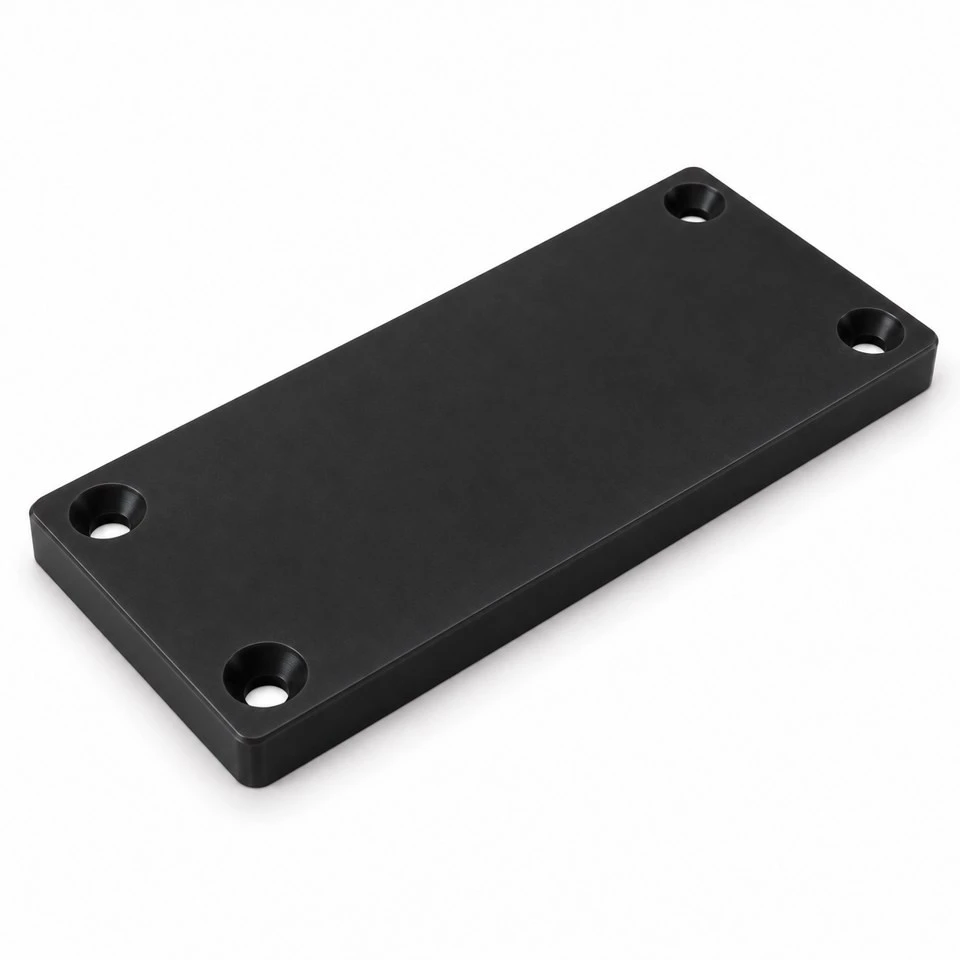
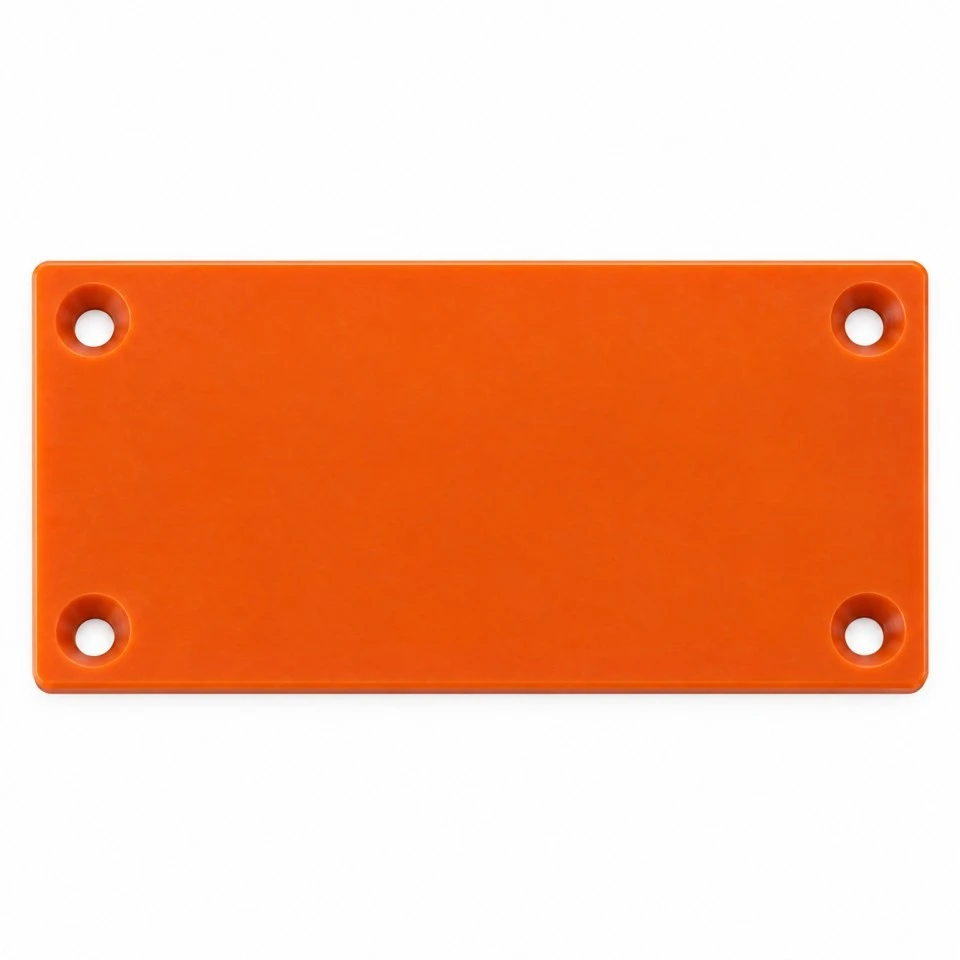
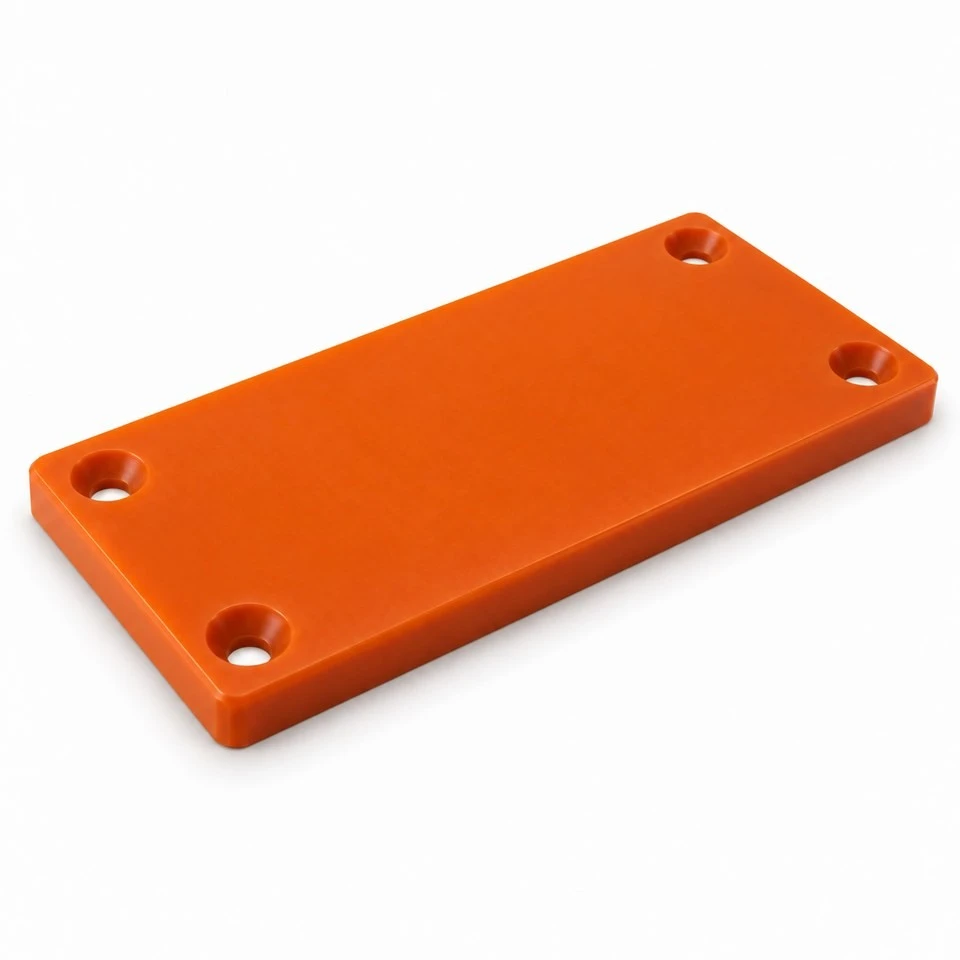
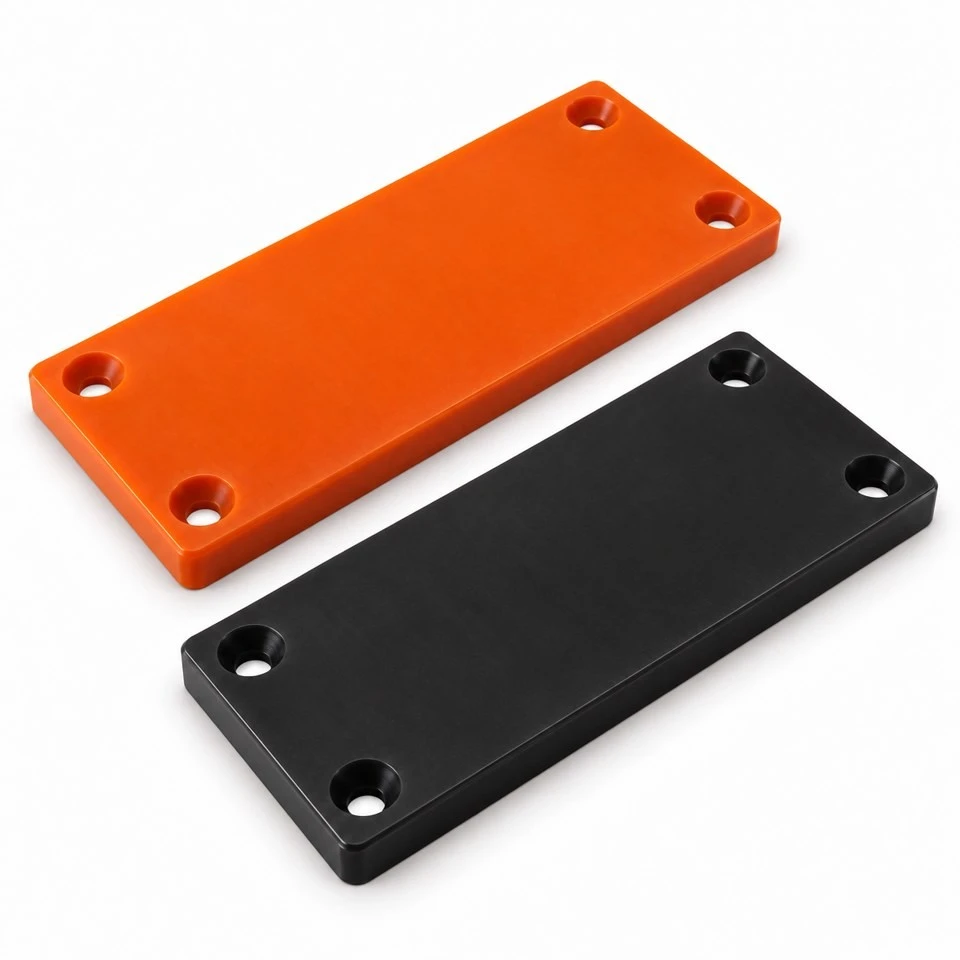
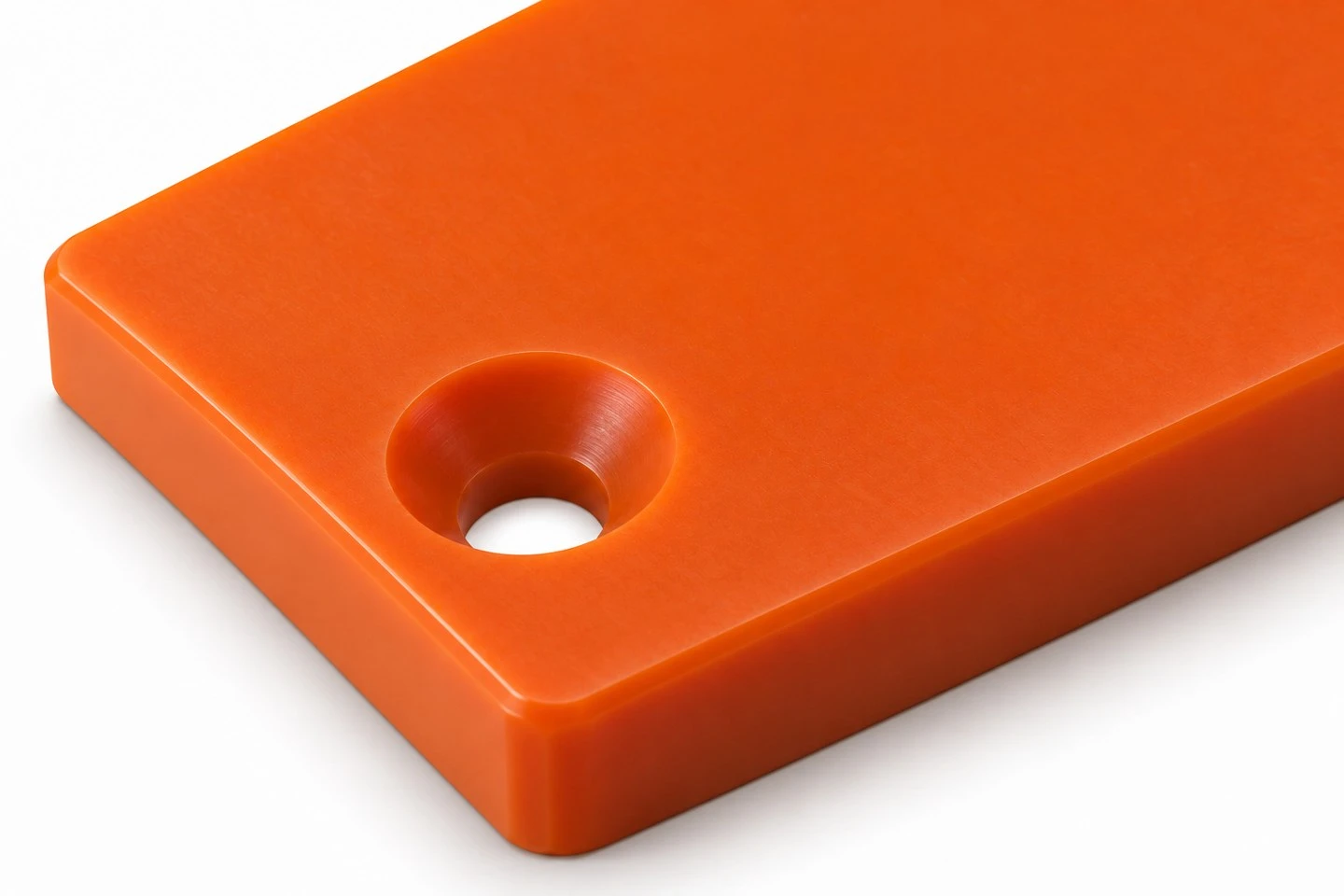
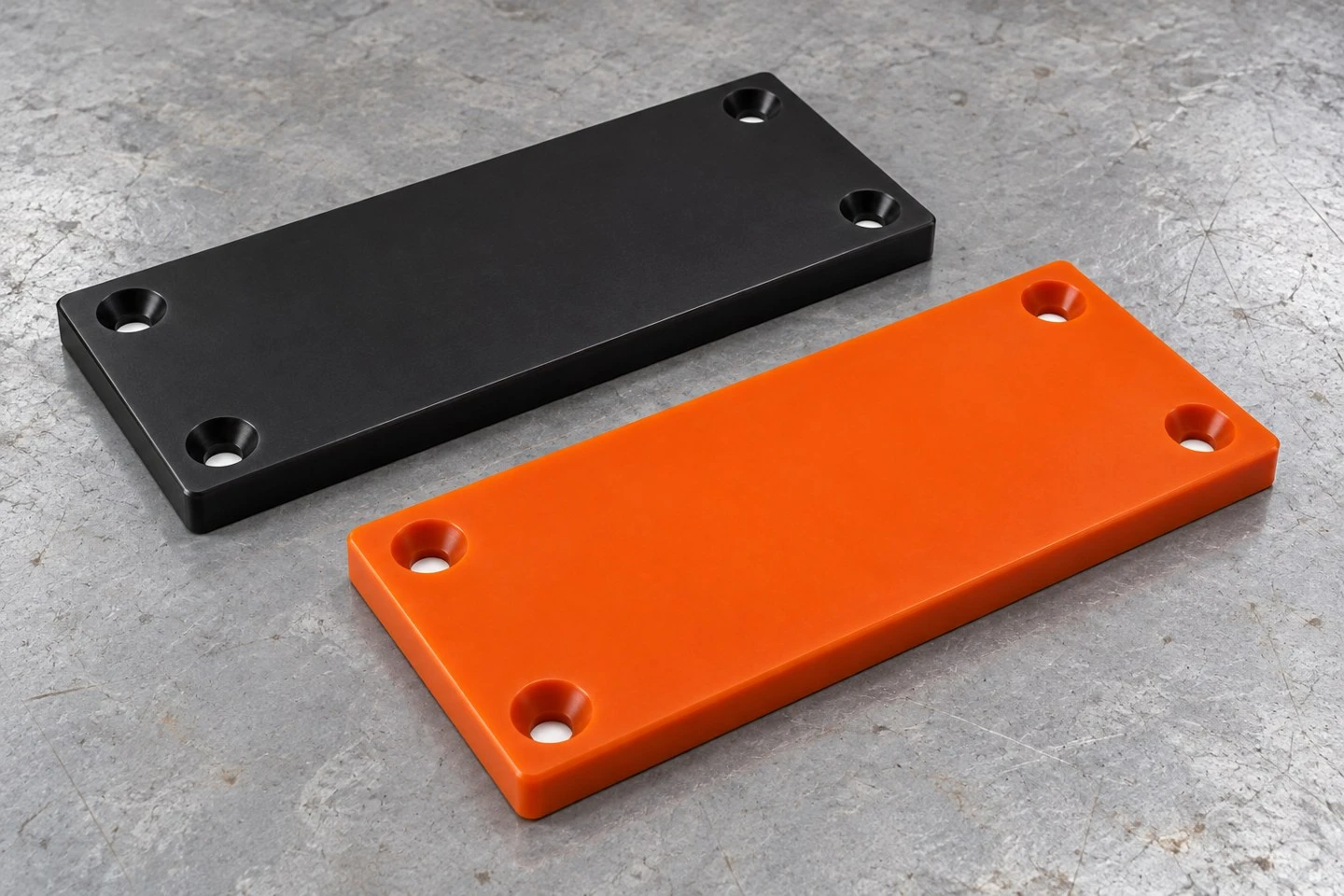
Our custom approach focuses on the individual liner rather than a universal lining system. The example shown is a flat rectangular polyurethane panel with recessed mounting holes. Different outlines, thicknesses, hole patterns, and edge details can be reviewed against your drawing. The pictures are illustrative custom component concepts, not a dimensional catalog or evidence of a particular service rating. The equipment owner should define the operating duty and validate the proposed lining arrangement before production approval.
Which equipment areas need a custom liner?
Potential locations include chute sidewalls, transfer passages, discharge sections, hopper surfaces, and other areas where bulk material passes over a replaceable contact layer. These positions do not experience identical conditions. One panel may mainly see sliding material, while another sits close to the point where material first arrives. Identify the exact installation position so the inquiry describes the local duty rather than only the general machine type.
Send an assembly view showing the surfaces to be covered and the direction of movement. If the equipment already uses liners, indicate which panels are being replaced and whether the original pattern must remain interchangeable. A photograph of the empty equipment can clarify access and support, while a drawing defines the actual manufacturing dimensions. For a new project, number the panel positions so similar looking pieces cannot be confused during quotation or installation.
How does the material stream shape the specification?
Describe the material being handled, including its approximate particle size, shape, moisture condition, and any tendency to accumulate on the equipment. Include the normal flow and the conditions during start-up, stopping, or irregular feeding. The same chute outline can carry very different materials. A liner selected from its appearance alone cannot account for those differences or establish the correct maintenance interval.
Where impact is relevant, explain the drop arrangement and where the stream first meets the lining. Where sliding is dominant, identify the direction of travel and the surfaces exposed for the longest distance. Provide the available operating observations instead of estimating a wear life from a photograph. If the project includes several zones with different duties, treat them separately in the panel schedule. A single material description does not automatically mean every position needs the same construction.
What belongs in a liner panel drawing?
Define the panel outline, thickness, mounting holes, edge distances, and any recesses or cutouts. Show which face is exposed to the material and which face rests against the equipment. For an irregular panel, a clear datum scheme is more useful than a collection of dimensions measured from unrelated edges. Include section views wherever the thickness or hole form cannot be understood from the top view.
Specify tolerances for the features that control fit. Hole locations, joint clearances, and the outline near an obstruction may need different attention from a noncritical exposed edge. If an existing steel wall is used as the reference, provide its hole pattern or a verified template. A worn liner is useful for understanding the general design, but worn edges and enlarged holes should not automatically become the dimensions of the replacement part.
Should a large area use one panel or several pieces?
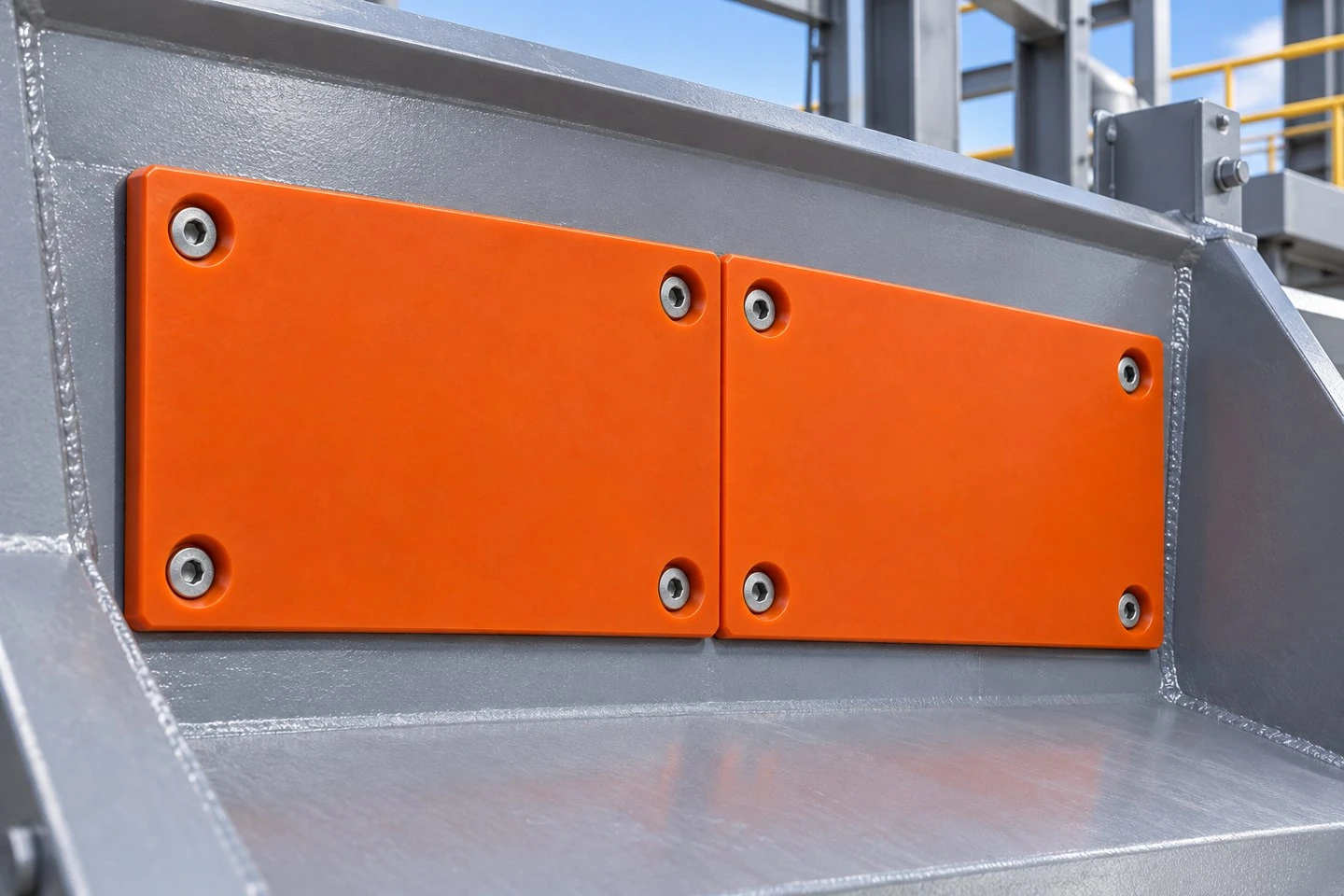
Panel size affects handling, access, and replacement planning. A larger piece can reduce the number of joints, but it also has to pass through the available opening and be positioned against the support. Smaller pieces may make local replacement easier, while creating additional interfaces that need to be considered in the layout. The best arrangement depends on the equipment and the maintenance method, not simply the total area to be covered.
Provide access dimensions and indicate whether adjacent panels can be removed independently. Identify the anticipated installation sequence and any piece that must fit behind another component. A panel map with part numbers, quantities, and orientation can make a multi-piece order easier to control. The map should be approved together with the individual drawings, especially if mirrored parts or similar hole patterns could be mistaken for one another.
How should fastener recesses and support be reviewed?
Mounting details should be specified with the actual fastening arrangement in mind. State whether the drawing calls for plain holes, countersinks, counterbores, or another feature. Include the required head clearance and the relevant mating hardware information. A recess that looks suitable in an image is not enough to confirm that a particular fastener will sit at the required depth or retain adequate surrounding material.
The backing surface and the liner should work together. Describe whether the panel rests on a continuous wall or crosses a gap, and identify obstructions behind the mounting positions. The equipment designer should define tightening requirements and the method used to prevent unintended movement. Do not rely on excessive tightening to correct an inaccurate fit. If sealing around fasteners or preventing fine material behind the panel is important, add those requirements to the assembly specification.
Why are thickness and formulation reviewed together?
Thickness provides part of the geometry, while the polyurethane formulation contributes the material behavior. Neither should be selected in isolation from the duty. A thicker panel changes the remaining passage area and may affect the position of neighboring equipment. It can also change the fastener length and handling requirements. Show the available space and identify any limit on the finished lining thickness.
Provide the required material grade or an approved reference where one exists. If a formulation has not been chosen, describe the service conditions and the failure mode of the previous liner. Polyurethane is a material family with different options, so a generic PU label does not define every property. Hardness should be stated with its scale and range, while any additional acceptance properties should be agreed explicitly. Color cannot be used as a substitute for a controlled material specification.
What environmental details can change the proposal?
Include normal and occasional temperatures, wet or dry operation, cleaning chemicals, contact liquids, and exposure to sunlight or weather where applicable. Identify whether the liner remains immersed or only becomes wet during cleaning. Explain how long unusual conditions last and whether they occur while material is moving. This information helps avoid treating a brief exposure and continuous operation as equivalent requirements.
Where a project requires documented chemical compatibility, regulatory compliance, or a particular test result, provide the specification at the inquiry stage. Such requirements may affect material selection and approval. No food contact status, fire classification, service temperature, or chemical resistance rating is implied by the illustrative panels on this page. The quotation and approved material documents should clearly state the scope that has actually been reviewed for your application.
Can edge shapes and installation clearances be tailored?
Edges may need to meet another panel, follow a curved wall, clear a weld, or fit around a fixed structure. Identify these interfaces on the drawing. A small perimeter chamfer on a free edge is different from a functional overlap or an edge profile that controls the joint. Provide the intended joint arrangement rather than asking the manufacturer to infer it from an overall photograph of the equipment.
Clearances should account for the actual assembly conditions and the selected material. Avoid assuming that adjacent panels should be forced tightly together without a specified layout. Where the flow direction matters at a joint, indicate it on the installation drawing. For a complex area, a trial fit can reveal conflicts before a full lining set is ordered. Any changes found during the trial should be recorded in the released drawing revision.
How can samples establish a useful approval baseline?
A first sample should be inspected for fit, hole alignment, thickness, and the other agreed critical features. Compare it against the drawing before judging its appearance. Then check installation on the actual support or an approved fixture. Record which fasteners and surrounding components were used, particularly where access is limited. A successful visual match does not replace dimensional or assembly verification.
For a service trial, agree on the operating conditions, inspection locations, and evaluation period. Keep records of material handled and any abnormal events so observations can be interpreted consistently. The purpose is to learn whether the proposed component suits the defined duty. Avoid converting a short trial into a guaranteed service life. Once the design is approved, retain the drawing revision, material reference, and sample approval record as the basis for repeat orders.
What makes a complete custom liner inquiry?
A useful inquiry combines the individual part drawing with enough assembly and operating information to explain its function. State whether you need a single evaluation panel, a replacement set, or recurring production. Include quantities for each part number rather than only a combined total. Tooling, sample arrangements, and lead time can then be reviewed against the actual manufacturing scope.
| Project detail | Information requested |
|---|---|
| Panel definition | Outline, thickness, holes, recesses, edge details, tolerances, revision |
| Installation | Panel map, support surface, fasteners, access space, flow direction |
| Operating duty | Material handled, particle characteristics, wet or dry conditions, impact location, temperature |
| Order scope | Material requirements, sample needs, quantity per drawing, delivery destination |
Welcome to send your drawings, polyurethane material requirements, application details, and quantities for a custom chute liner inquiry. We will review the information before confirming the proposed component scope and quotation. Contact: amanda@tjswks.com
Hot Tags: custom polyurethane chute liners for material handling, China, suppliers, manufacturers, factory, bulk, cheap, low price, quotation, polyurethane adhesives, polyurethane casting, polyurethane pads, pu couplings, pu grilles, pu textiles


