


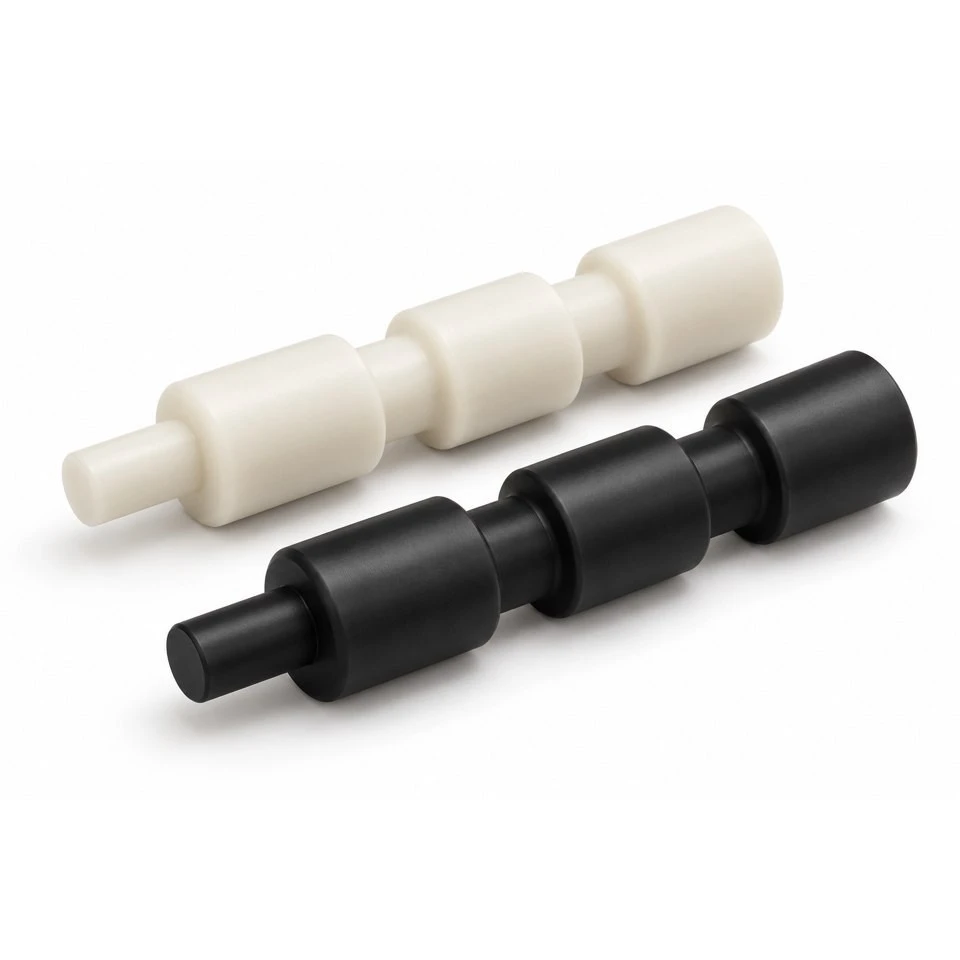
Tianjin SWKS Technology & Development Co.,Ltd is one of the most reliable manufacturers and suppliers of custom pom sliding valve spools in China. If you're going to buy bulk cheap custom pom sliding valve spools, welcome to get quotation from our factory. Quality products and low price are available.
Custom POM Sliding Valve Spools
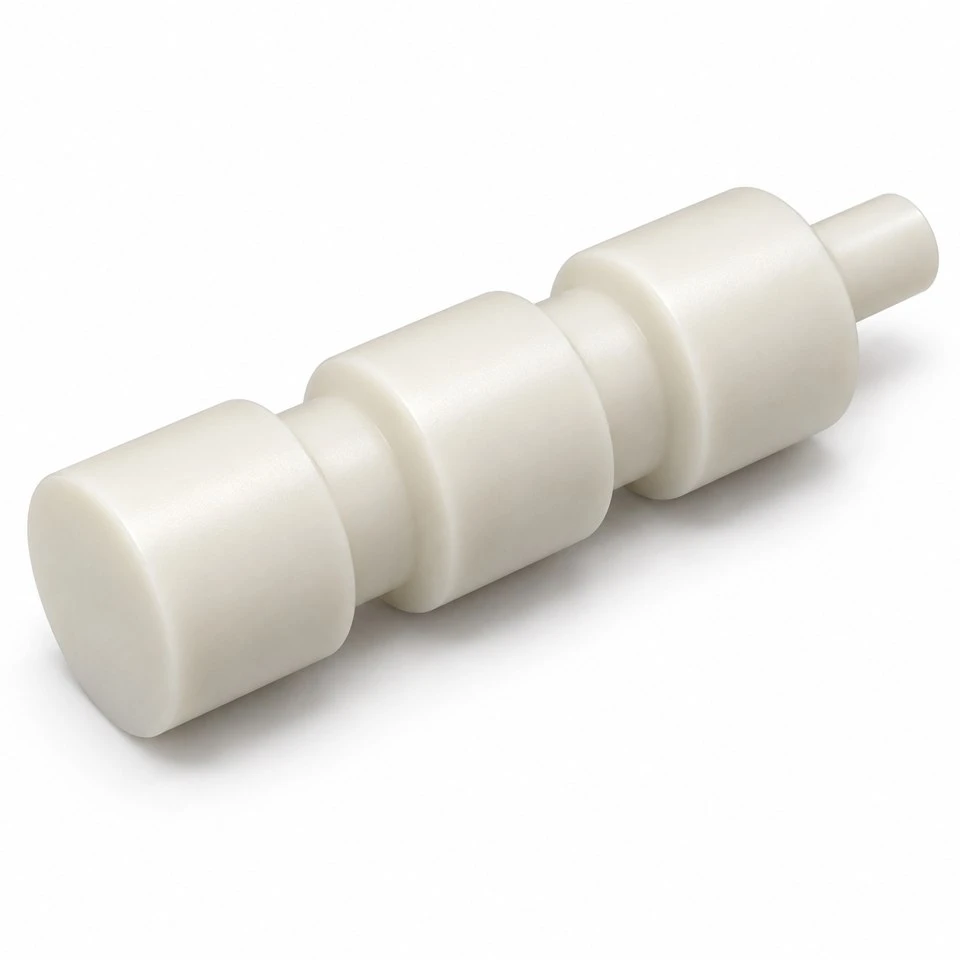
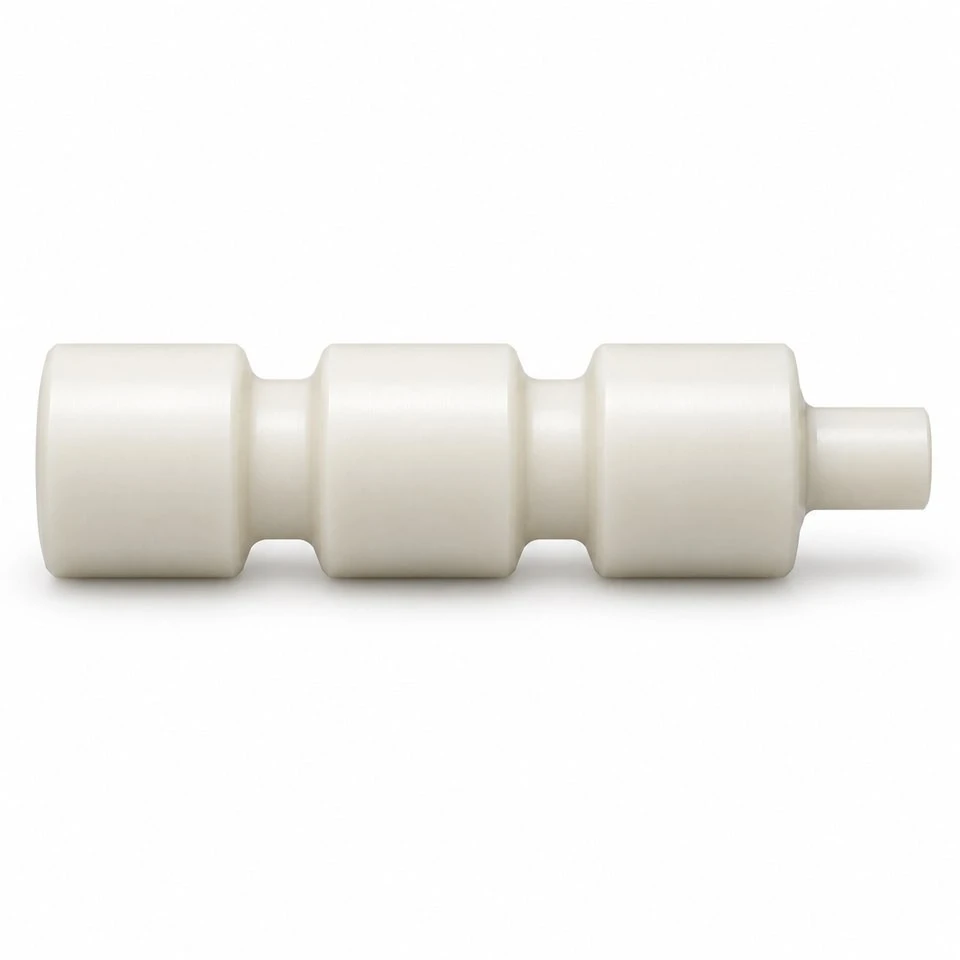
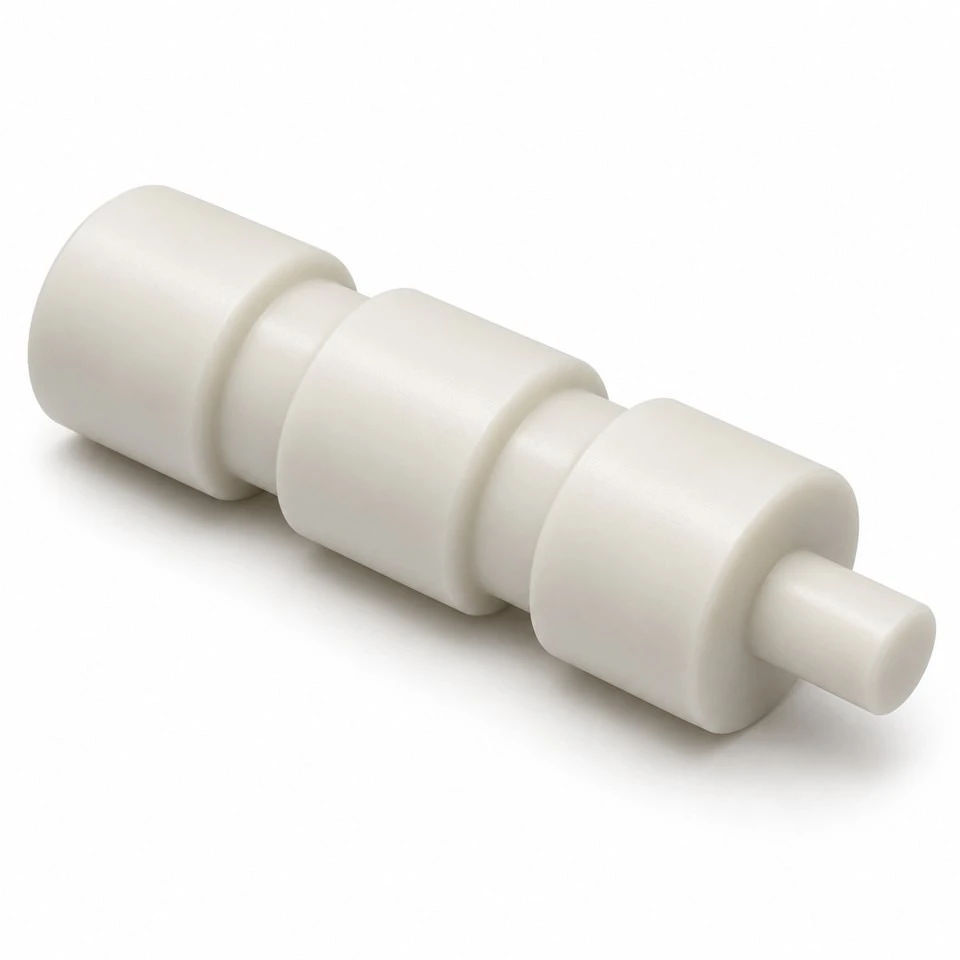
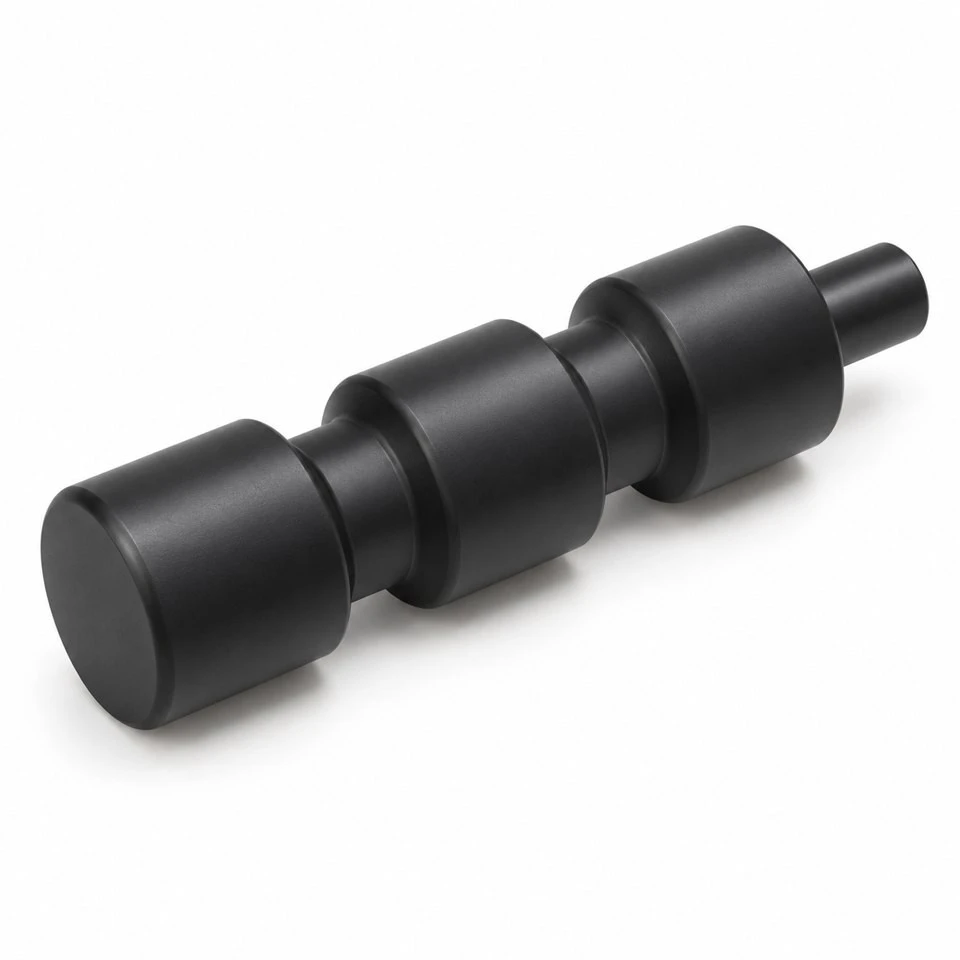
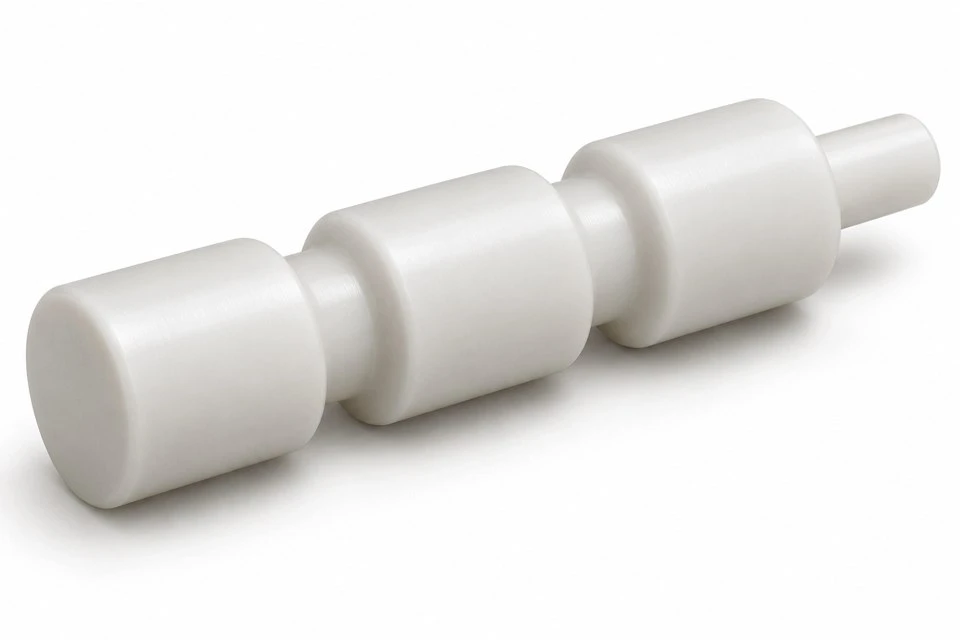
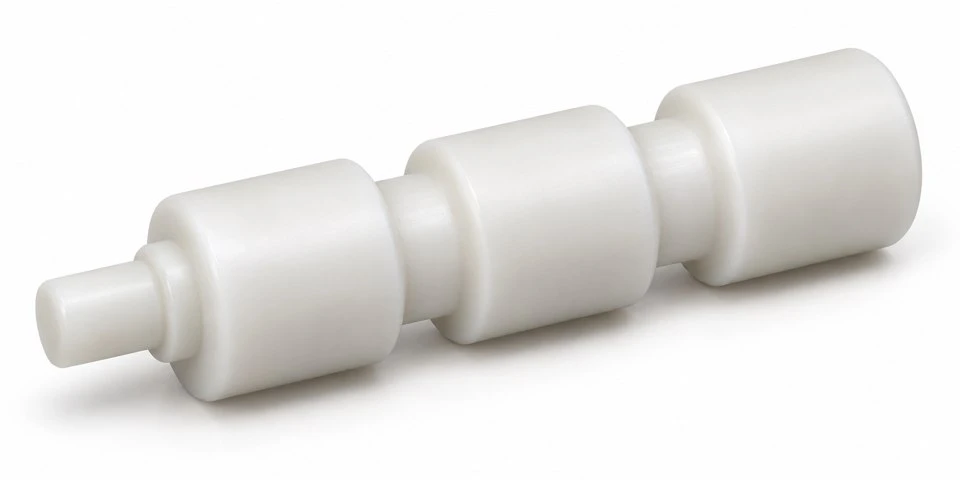
In a sliding valve, a few millimeters of axial movement can expose one passage while covering another. The moving component therefore needs to be considered alongside the ports, bore and actuator that surround it. SWKS offers custom POM sliding valve spool components produced from an agreed drawing and material specification. The illustrated stepped profile is a development concept with cylindrical lands, reduced sections and an actuator stem. Send the assembly section and required quantities to amanda@tjswks.com to discuss the molded component and any finishing operations needed for your design.
Material: ABS/POM/PA66/PP/PC/PA/PU/TPE/TPU etc.
Processing Service: Injection
Drawing: STP/STEP/IGS
Contact: amanda@tjswks.com / 0086-15222707659
Which drawing explains the switching sequence?
A spool drawing defines the moving part, but a valve section explains what that part must do. Show the bore, every relevant port and the axial positions at which the actuator stops. Identify the intended flow connection at each position. A reduced section between two lands may connect adjacent passages, while the neighboring land closes another opening. The position of those edges matters as much as the outside diameter. Include the full switching sequence rather than only a picture of the spool at its central position.
For a development project, mark the travel direction and establish a single axial reference. It is easy for the spool drawing to use the stem end as its reference while the housing drawing uses the opposite face. Both drawings may look correct individually and still leave uncertainty when assembled. A shared section with the important references identified helps prevent that ambiguity. Also show any spring, stop or coupling that determines where the spool rests when the actuator is released.
How do land width and port spacing work together?
A land is the larger diameter section that runs within the housing bore. Its width determines which axial region it covers as the spool moves. A wider land can change the switching sequence even when the overall spool length remains unchanged. Provide the port width and the distance between port edges on the mating drawing. Where an overlap or an initial opening is intended, dimension that relationship directly. Avoid asking the toolmaker to infer an operating sequence from equal spacing in a concept model.
Pay attention to the intermediate positions as well as the end positions. During movement, two passages may briefly communicate or both may be restricted. Whether that behavior is acceptable depends on the equipment. Define the required transition with the valve designer before the component geometry is released. The supplied plastic part does not independently establish a flow rating or a particular valve function. Its dimensions must implement the switching arrangement already agreed for the complete assembly.
What clearance information belongs in the enquiry?
Supply the finished bore dimensions, permitted variation and relevant surface condition. The nominal spool diameter alone cannot describe the running fit. Bore straightness, local changes near ports and the condition of the housing material can affect movement. Identify whether the mating bore is molded, machined or subsequently finished. If the housing supplier changes its process, review the fit again. A spool approved against a carefully finished sample bore may behave differently in a production housing with another surface condition.
State whether the design relies on a controlled running clearance, separate seals or another sealing arrangement. A plain stepped spool should not be described as leak free simply because it slides smoothly in a bore. Leakage and movement requirements need to be considered together. If a clearance must be maintained across different temperatures, include the temperatures and the materials of both parts. The design review can then address the assembled condition instead of treating a room-temperature diameter measurement as the entire acceptance requirement.
Where does the actuator apply force to the plastic stem?
Show the connection between the stem and the actuator. A stem pushed against a flat pad, held in a clevis or pulled by a captured shoulder experiences different contact conditions. Include the attachment hardware and available alignment adjustment in the section. The actuator should move the spool along the intended axis. An offset connection can load one side of a land against the bore and make an otherwise acceptable part difficult to move. Stem diameter and attachment length should follow the actual load path.
Identify the maximum operating travel and the component that provides the stop. A plastic shoulder should not become an unintended impact stop because a linkage is adjusted too far. Also explain how the spool is assembled and removed. A coupling that works after assembly may require the stem to pass through a bore that is too small during installation. These questions are best resolved while the component remains a model, before a mold is committed to a particular shoulder arrangement.
Which POM specification is appropriate for the working fluid?
POM is a material family, not a complete application specification. Provide the required grade when the project already defines one, including whether homopolymer or copolymer is specified. If a grade has not been selected, describe the liquid or gas, additives, cleaning exposure and temperature range. Material choice should be reviewed for that environment. A supplier should not infer suitability from a general phrase such as chemical dosing or industrial water, because the substances behind those descriptions can vary considerably.
Also state whether a lubricated, reinforced or otherwise modified formulation is permitted. Such changes can influence the component and its documentation; they should not be introduced only to make a sample slide more easily. Color should be specified separately from the resin grade. The ivory and black concept views demonstrate appearance options without assigning food-contact, drinking-water or other certification. Any required compliance documents need to be tied to the actual proposed formulation and the agreed purchasing requirements.
Can the working surfaces be supplied directly from molding?
That decision depends on the drawing and the mating assembly. Injection molding can produce the basic stepped profile, but some designs may require a finishing operation on selected diameters or reference faces. Identify which surfaces control movement, leakage or axial position. Quote requirements against those surfaces rather than applying the same tight tolerance to every outside edge. The manufacturing proposal should make clear which features are intended to remain as molded and which, if any, will be finished afterward.
Discuss the gate and mold separation before accepting a tooling layout. A raised gate remnant or an unacceptable parting line on a working land can affect the fit even when the measured diameter falls within its limits. Ejector contact should also be considered at the ends. Mark surfaces where raised marks are prohibited and define acceptable trimming. The purpose is to control the actual sliding interface, including local features that a single diameter reading might miss.
Why does alignment between the lands need its own check?
Three land diameters can each meet their size limits while their axes fail to align sufficiently for the bore. A long stepped component therefore needs an agreed approach to alignment and shape inspection. Establish the functional references and indicate the relevant geometric requirements on the drawing. Avoid using an undimensioned central line as a substitute for a measurable requirement. The supplier needs to know which surfaces locate the part and how their relationship will be assessed.
Agree the inspection support and measurement method for initial samples. Excessive clamping can distort a plastic component or hide a condition that matters in service. Where appropriate, a representative bore or a controlled functional gauge can complement dimensional measurements. Record the gauge condition and acceptance method so that repeat batches are checked consistently. Functional fit should support the inspection plan, while the drawing remains the reference for understanding why a component is accepted or rejected.
What contamination conditions should the design account for?
Describe the cleanliness of the fluid circuit and the assembly process. Particles introduced during installation may enter the space between the land and the bore. A smooth sample tested in a clean bench assembly does not demonstrate how the valve behaves with the equipment's expected contamination. Any filtration, flushing or debris tolerance requirement belongs to the valve system review. Do not enlarge the component clearance casually to address a sticking problem without checking the resulting effect on the intended flow isolation.
The spool itself also needs an agreed cleanliness and packaging specification. Trimming residue, loose flash and handling debris should be addressed according to the application. If components are washed, identify the approved method and drying requirements. Packaging should protect the working lands from rubbing against unrelated hardware in transit. A separate bag or compartment may be useful, but the packing method should follow the buyer's handling process rather than being described as a universal cleanroom or sterile supply arrangement.
Which trials should precede a repeat production order?
Evaluate samples in representative production housings with the intended actuator and fluid. Check the entire movement, including the transition across port edges, return motion and the position reached against each stop. Record the temperature and conditioning applied before the test. If actuation force, allowable leakage or cycle count is important, define the method and limit before testing. A statement that the sample feels smooth does not provide a repeatable basis for approving a valve component.
Keep the material grade, mold revision and any finishing operation linked to the test record. If a land width changes after a switching trial, review the other axial relationships instead of treating the change as isolated. Repeated supply should follow the approved revision and inspection plan. For quotation, send STP, STEP or IGS files, the mating valve section, material requirements and trial and batch quantities to amanda@tjswks.com. Identify the critical working surfaces so that tooling, samples and any secondary finishing can be discussed clearly.
Hot Tags: custom pom sliding valve spools, China, suppliers, manufacturers, factory, bulk, cheap, low price, quotation, pom adder parts, pom components, pom food processing parts, pom housings, pom mechanical parts, pom pcbs


